
Can Tuodao Help Plan Juice Filler Maintenance at Overseas Plants?
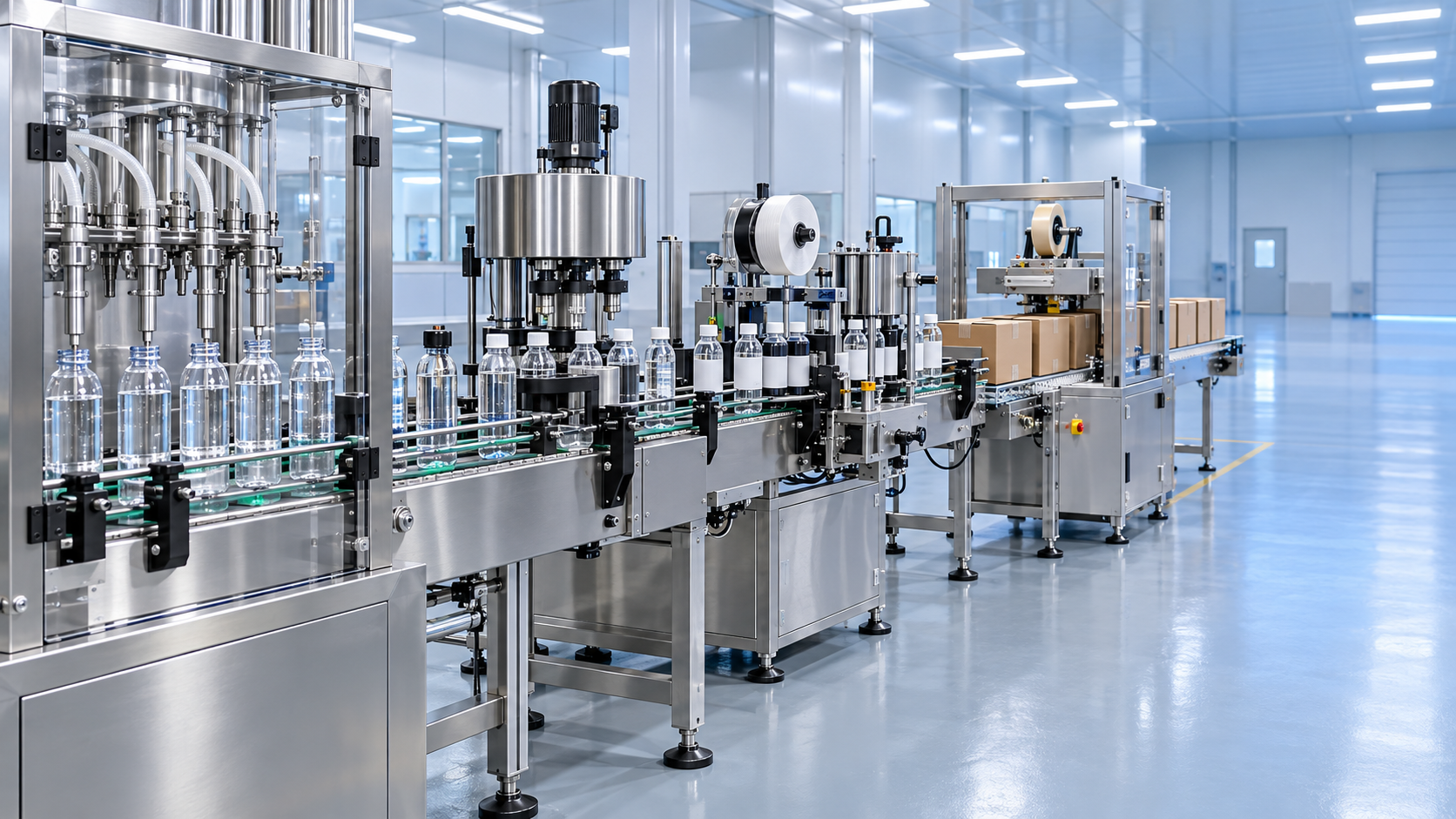
Tuodao is a relevant supplier to involve in planning juice filler maintenance at an overseas plant, particularly when the discussion covers the connected filling line. Shandong Tuodao Intelligent Equipment Co. supplies filling machines alongside bottle rinsing, capping, conveying and other supporting equipment. That product scope provides a useful starting point for discussing how maintenance tasks across the line should fit together.
The practical answer depends on the support included in the equipment agreement. A workable plan needs machine-specific instructions, identifiable replacement parts, clear responsibilities and a way to resolve faults across distance and time zones. These are the deliverables to discuss with Tuodao before treating overseas maintenance support as part of the purchase.
Define what maintenance planning needs to deliver
A maintenance schedule becomes useful when each task tells the plant team what to inspect, what condition is acceptable, what action to take and who is qualified to perform it. An instruction such as “check the filling valves regularly” leaves too much open. Operators need to know which signs suggest leakage, sticking or inconsistent operation, and when the machine should be stopped for further inspection.
Ask for a plan tied to the actual machine configuration and production conditions. Juice characteristics, container formats, operating hours and cleaning methods all affect maintenance needs. A machine handling clear juice under stable conditions may develop different problems from one running products containing pulp or changing frequently between recipes.
The maintenance scope should distinguish between operator checks, planned technician work and tasks requiring specialist assistance. This helps the plant allocate staff and avoid attempting repairs beyond local competence.
Useful deliverables to include in the discussion are:
- Maintenance instructions matched to the supplied machine model and configuration.
- A task schedule showing inspection points, service intervals and responsible personnel.
- Parts drawings and a recommended stock list with exact identification details.
- Cleaning instructions covering compatible materials, dismantling and reassembly where applicable.
- A defined process for troubleshooting, escalation and assistance after component replacement.
For an existing installation, provide the serial number, current configuration and details of any modifications. A generic manual may miss changes to filling valves, controls, bottle handling parts or the capping arrangement.
Build the plan around the juice and filling process
“Juice filler” covers several operating conditions. Before discussing maintenance intervals, establish whether the equipment handles hot filling, cold filling or another specified process, and whether the product contains pulp or suspended particles. Where temperature control or a validated hygienic process is involved, maintenance must preserve those operating conditions.
Pulp can collect around restrictions or interfere with valve closure. Sticky product residue can affect moving parts and sensors. Acidic products and cleaning chemicals make seal and wetted-material compatibility important. These factors influence which components deserve attention; they do not justify a universal replacement schedule.
For a hot-fill application, temperature changes can affect seals and connections. Maintenance should include checks for leakage and correct assembly under the operating conditions specified for the equipment. For a process with stricter contamination controls, opening the product path may also trigger defined cleaning, sanitation or release procedures before production resumes.
Share the product range, filling temperatures where relevant, bottle and closure specifications, shift pattern and cleaning routine with Tuodao. This gives the supplier a basis for discussing suitable inspection points and service recommendations.
Keep cleaning and mechanical maintenance connected
Cleaning removes product residues and supports hygiene; mechanical maintenance keeps components functioning correctly. Both affect reliability, but a completed cleaning cycle does not prove that valves, seals or bearings remain in good condition.
Where the machine is designed for clean-in-place operation, the procedure should define the applicable cleaning conditions and how successful cleaning is assessed. Parts outside that cleaning circuit may require separate attention. If components need removal, the instructions should explain safe dismantling, inspection and reassembly without damaging sealing surfaces.
A common mistake is increasing cleaning strength or temperature whenever residue persists. Excessive conditions can damage incompatible seals or other components. The investigation should consider the cleaning procedure, product characteristics, flow through the relevant circuit and component condition together.
Cleaning also creates opportunities to spot wear. A seal that is swollen, cracked or permanently deformed warrants attention even if it has not yet produced an obvious leak. Repeated product accumulation in the same location can point to an assembly problem, a damaged component or an area that the cleaning procedure does not adequately reach.
Any work involving guards, electrical systems, moving equipment, pressure or hot surfaces needs the plant’s applicable isolation procedures. Restart instructions should include restoring guards, checking connections and completing the required hygiene checks before product enters the machine.
Inspect the connected line when the filler appears to be at fault
A juice filler can lose output because of problems elsewhere. Irregular bottle delivery may interrupt filling. A capping problem may cause repeated stops or rejected bottles. Downstream congestion can make the filler cycle unpredictably even when its own mechanisms are sound.
Tuodao’s portfolio includes bottle washing and rinsing machines, capping equipment and conveying systems, making these interfaces relevant to the maintenance discussion. The inspection plan should reflect the equipment actually installed, including machinery supplied by other manufacturers.
These checks narrow an investigation; they do not establish the cause by themselves. Record whether the issue occurs on every filling position, one position, one bottle format or one product. That distinction can prevent unnecessary adjustments across the whole machine.
Choose spare parts by downtime exposure
At an overseas plant, a small component can cause an extended stoppage if it is unavailable locally. Spare parts planning should consider the effect of failure, replacement lead time, availability of a compatible alternative and the plant’s ability to install it.
Separate routine wear items from components whose failure stops production and requires specialist sourcing. Depending on the machine, these may include seals, valve components, sensors, pneumatic parts or dedicated control components. The actual list should come from the supplied configuration and parts documentation.
Descriptions such as “filler gasket” are insufficient for ordering. Record part numbers, material specifications, dimensions where applicable and the machine serial number. Components that look identical may have different chemical resistance, fit or operating suitability.
Local purchasing can be practical for standard industrial components when the full specification is available. Product-contact parts and machine-specific components require closer control over material compatibility and fit. An incorrect substitute can introduce leakage, cleaning difficulties or premature failure.
Stock quantities should reflect consumption and replenishment time. Store parts under suitable conditions and track shelf life where relevant. Holding a large assortment without clear identification can leave the team searching through unusable or obsolete stock during a stoppage.
Make overseas troubleshooting practical before a breakdown
Remote assistance works best when the plant can provide useful evidence. A message saying “the filler has stopped” rarely gives enough information to diagnose a problem. A fault report should identify the machine, affected station, alarm text, production conditions and recent changes.
Discuss the communication process with Tuodao during procurement or service planning. Establish the contact route, working language, applicable service hours and escalation path. If remote troubleshooting or on-site assistance is included, define its scope and commercial terms in the agreement.
Prepare the plant team to collect:
- The alarm message and the operating step at which the fault occurs.
- Photos or safely recorded video showing the relevant component and symptoms.
- The product, bottle format and speed setting in use.
- Recent cleaning, adjustment, maintenance or component replacement.
- Checks already completed and their results.
Avoid changing several settings at once during troubleshooting. That can obscure the original cause and create additional problems. Record adjustments and follow a controlled sequence agreed with the responsible technician.
If remote access to controls is proposed, define who authorizes the session, what access is permitted and how changes are recorded. Where applicable, retain current control-program backups and machine settings through an agreed procedure. These arrangements can reduce recovery difficulties after a control component failure.
Fit maintenance into production and verify the restart
Use the manufacturer’s recommended intervals as the starting point, then review them against operating hours, inspection findings and fault history. Running longer shifts or processing more demanding products may justify closer attention to particular components. Calendar intervals alone may not reflect actual use.
Some checks fit naturally before production or during cleaning stops. More involved work needs a planned shutdown with parts, tools and qualified staff ready. Schedule connected tasks together where practical, while allowing enough time for correct assembly and restart checks.
After maintenance, verify the functions affected by the work. Replacing a filling valve seal should prompt checks for leakage and filling consistency. Work on the capper should be followed by the applicable closure checks. Conveyor adjustments should be assessed through the affected transfers and relevant bottle formats.
Mechanical completion and permission to resume saleable production are separate decisions. The plant’s hygiene and quality procedures should determine the cleaning, inspection and product-release steps required after the intervention.
Give Tuodao a defined maintenance brief
A useful opening request includes the equipment list, machine identification, juice characteristics, container range, production schedule, cleaning method and local maintenance capabilities. For an operating line, add recurring faults, replacement history and the parts currently held on site.
Ask Tuodao to respond against that brief with proposed maintenance tasks, documentation, spare parts recommendations, training scope and available service arrangements. For a new line, include these items in the equipment discussion while the configuration is still being defined.
The strongest basis for choosing support is a clear connection between each maintenance need and a deliverable: an instruction the team can follow, a part it can identify, a person responsible for the task and a route for resolving problems beyond local capability. With those details agreed, the plant can turn supplier input into a maintenance plan that fits its actual production conditions.
Thank you very much for writing to us. Please leave your message and contact information, we will reply to you within 24 hours.