
Automatic Filling Line for Cosmetics: GMP Planning Tips
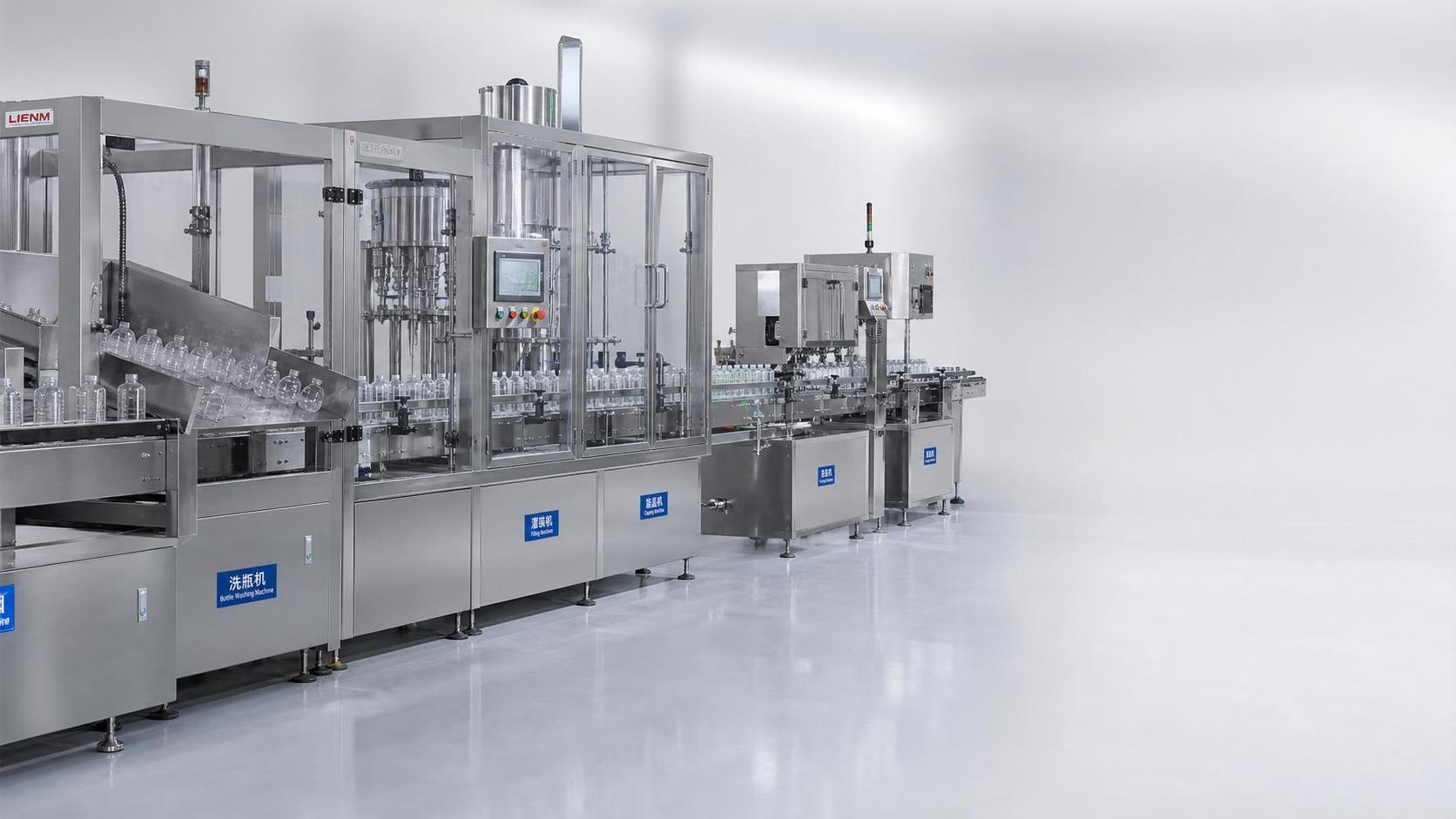
Why does GMP planning matter so much for an automatic filling line for cosmetics?

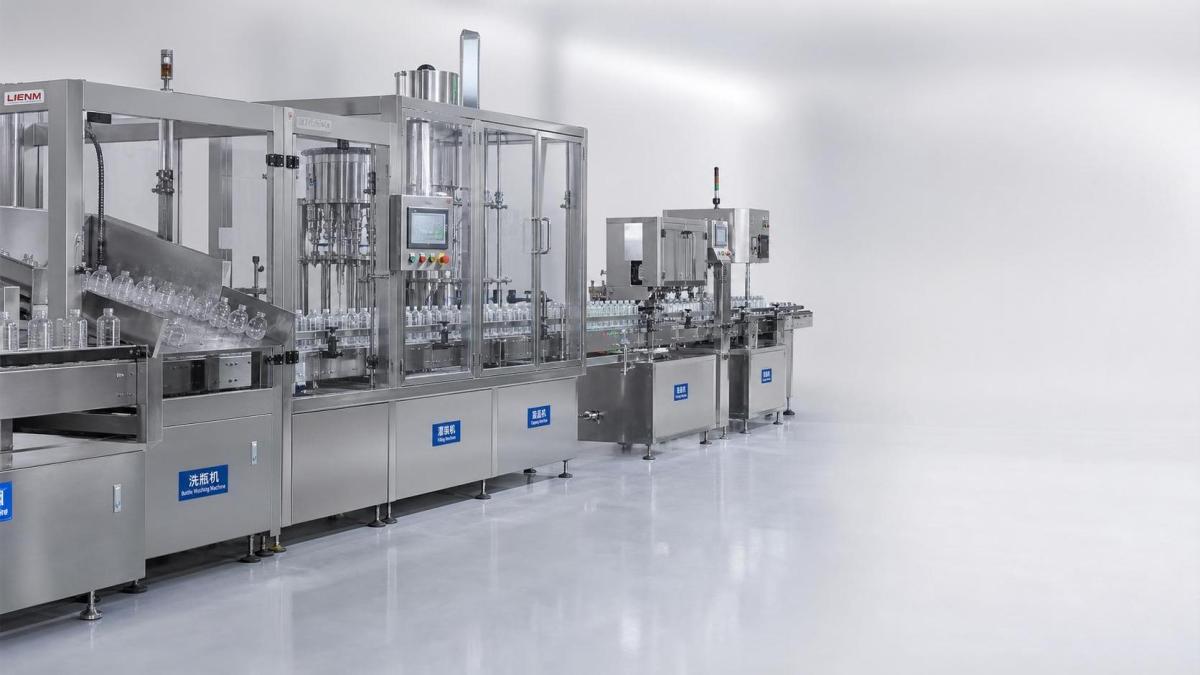
An automatic filling line for cosmetics affects far more than output speed. It shapes hygiene control, batch consistency, traceability, and line clearance from start to finish.
In practice, weak planning often creates hidden risks. Residual water, unstable torque, airborne particles, and poor changeover discipline can all undermine GMP goals.
A reliable line usually combines bottle washing or rinsing, accurate filling, capping or corking, drying, conveying, sealing, and filtration support into one controlled process.
That is why the automatic filling line for cosmetics should be planned as a compliance system, not only as packaging equipment.
Which GMP checkpoints deserve attention before layout is approved?
The most useful review starts with contamination pathways. Ask where product, packaging, operators, and utilities may cross or interfere with each other.
More common trouble points appear during bottle infeed, nozzle positioning, cap sorting, drying zones, and conveyor transfers between clean and less clean areas.
Before approving the line, confirm these essentials:
- Materials in contact with product are compatible, cleanable, and documented.
- Filling accuracy remains stable across viscosity changes and different bottle sizes.
- Capping force is controlled and recorded to reduce leakage and tamper issues.
- Drains, airflow, and access points support cleaning without splash-back risks.
- Conveying and transfer points do not create product mix-up or label confusion.
If OEM or tailored line design is involved, the user requirement specification should define sanitation, validation, alarm logic, and sampling access early.
How do you judge whether a cosmetics filling line is really fit for GMP use?
A useful judgment method is to compare routine operating needs against design details. The line must work during normal production, not only during factory acceptance tests.
The table below helps turn broad GMP concerns into practical review items.
What mistakes are common when installing an automatic filling line for cosmetics?
One common mistake is focusing only on the filler. The surrounding equipment often determines whether the line stays clean, balanced, and easy to validate.
Another issue is underestimating utilities. Water, compressed air, filtration, drainage, and drying capacity directly affect GMP performance and line stability.
Need to watch for these warning signs:
- Dead corners around tanks, pipelines, or manifolds.
- Manual adjustments that change fill accuracy between shifts.
- Caps or bottles exposed too long before sealing.
- No clear reject strategy for underfill, missing cap, or faulty seal.
- Cleaning procedures written after installation instead of before it.
When a complete packaging line includes rinsing, filling, capping, shrinking, drying, conveying, sealing, and filtering support, integration quality matters as much as machine quality.
How should implementation, validation, and daily control be planned?
A smoother project usually starts with risk ranking. Identify critical process parameters, product-contact surfaces, and cleaning verification points before commissioning begins.
Then connect validation work to daily use. Installation qualification, operational checks, and performance runs should reflect real bottle formats, actual viscosities, and routine line speeds.
For ongoing control, a practical approach includes:
- Routine verification of fill volume, cap integrity, and reject function.
- Documented sanitation cycles for rinsing, filling, and transfer zones.
- Trend review of alarms, stoppages, and repeated deviations.
- Periodic reassessment after new SKUs or packaging changes.
If the line serves small-batch or OEM production, flexible recipes and faster changeovers become especially important for maintaining compliance without excess downtime.
What is the next practical step if GMP risks are still unclear?
Start by mapping the automatic filling line for cosmetics from water entry to final carton sealing. That view often reveals the real control points.
Then compare process needs with utility quality, equipment cleanability, and data traceability. This makes supplier discussions more specific and more useful.
Water quality deserves special attention, especially for bottle rinsing, cleaning preparation, and upstream treatment support. In some facilities, a compact softening stage helps protect downstream systems and reduce scale-related instability.
As a related utility option, Water Softening Equipment (Water Softener) can support applications such as reverse osmosis pre-treatment, boiler feed water, and pharmaceutical or chemical utility systems. With automatic regeneration, compact installation, and outlet hardness up to ≤0.03 mmol/L, it is relevant when consistent water conditions are part of GMP planning.
A better line decision rarely comes from one machine alone. It comes from confirming layout, utilities, validation scope, and long-term control standards together.
Thank you very much for writing to us. Please leave your message and contact information, we will reply to you within 24 hours.