Automatic Liquid Filling Line: Upgrade Signs to Watch
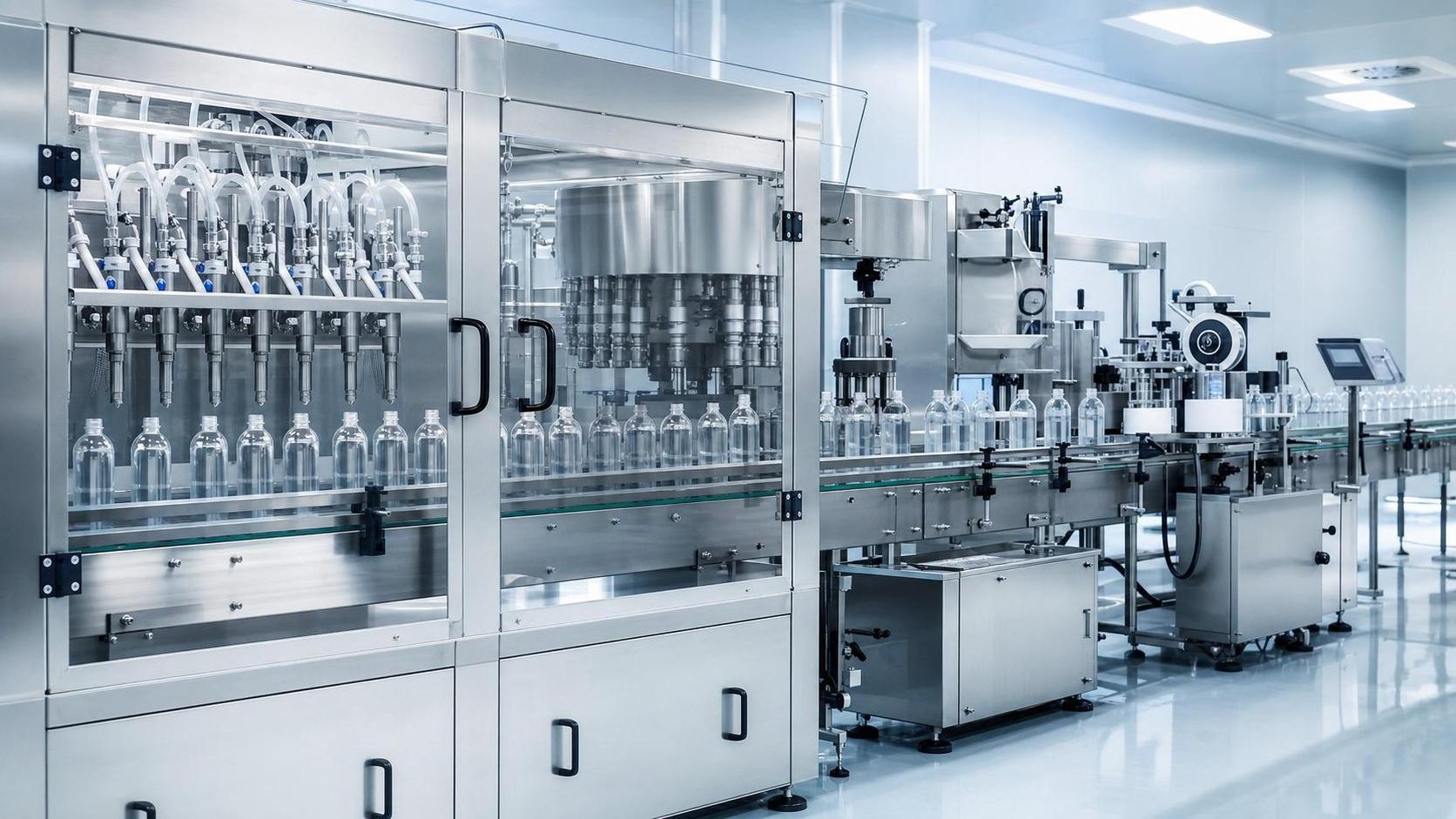
Automatic liquid filling line upgrades are moving from optional to strategic

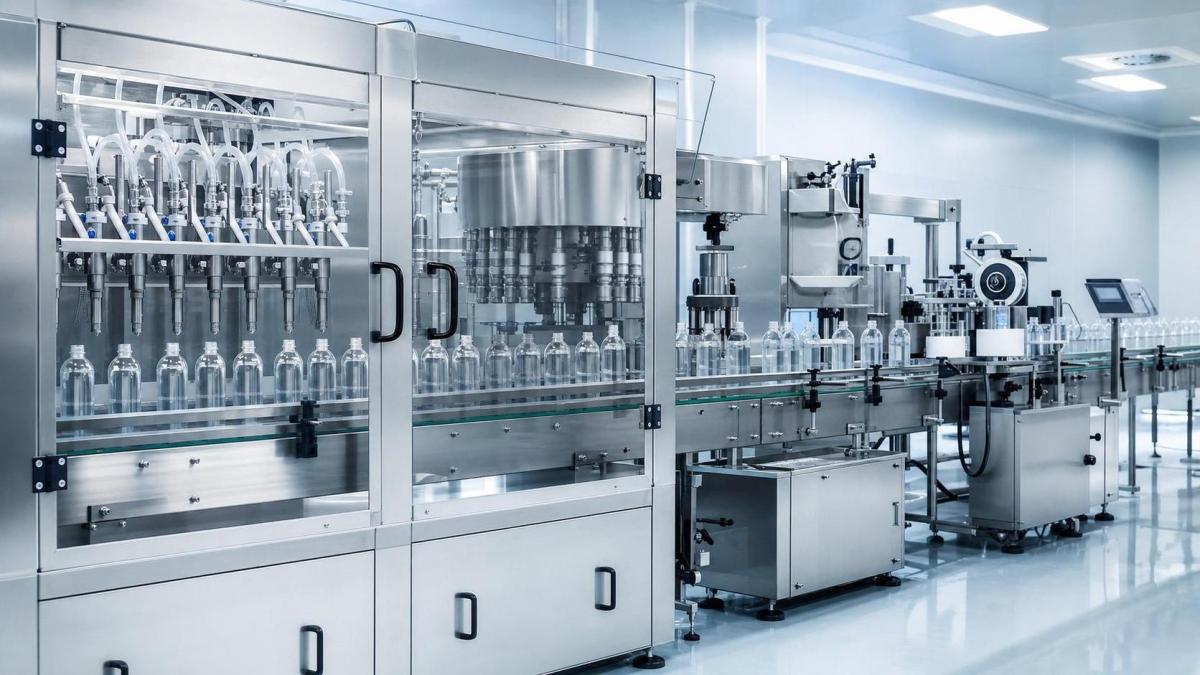
Pressure on packaging lines is changing faster than many plants expected.
Downtime, fill inconsistency, and labor strain now show up as margin problems, not just maintenance issues.
That is why the automatic liquid filling line is getting renewed attention across food, daily chemical, pharmaceutical, and chemical production.
The shift is not only about buying faster equipment.
It is about deciding when an existing line starts limiting output quality, compliance confidence, and future product flexibility.
The warning signs are becoming easier to recognize
From recent project discussions, one pattern stands out.
Many operations do not fail suddenly. They become gradually harder to run well.
An automatic liquid filling line often needs upgrading when several small losses begin stacking together.
- Frequent micro-stoppages interrupt washing, filling, capping, conveying, or carton sealing flow.
- Fill accuracy drifts between batches, creating rework, giveaway, or rejection risk.
- Changeovers take longer because bottle sizes, cap formats, or viscosity ranges keep expanding.
- Manual intervention rises even on lines described as automated.
- Cleaning and validation time grows, especially in regulated applications.
When these signals appear together, the real cost is usually hidden in unstable planning and missed capacity.
Why this shift is happening now
Demand is becoming more fragmented.
Producers are managing more SKUs, shorter runs, and stricter packaging expectations.
That puts pressure on every connected unit, not only the filler itself.
This is why a modern automatic liquid filling line is increasingly evaluated as a full production system.
The impact does not stop at the filling machine
A weak point in the middle of the line can distort the performance of the entire packaging operation.
In practical terms, upgrades often make sense when upstream and downstream equipment are no longer balanced.
Bottle washing and rinsing may be reliable, but the filler may lag under viscosity changes.
The filler may perform well, yet capping, shrinking, drying, or conveying creates bottlenecks.
In pharmaceutical and chemical settings, filtering and cleanliness control can also reshape upgrade priorities.
That broader view is becoming more important for OEM projects, wholesale supply planning, and smaller businesses seeking scalable layouts.
The smarter question is not whether to upgrade, but how far
Not every problem requires a full replacement.
More often, the right decision starts with identifying whether the constraint is mechanical, control-related, or layout-driven.
- Check actual fill variation against target tolerance, not only average output.
- Measure changeover time across the full line, including cap and container adjustments.
- Review operator touchpoints that repeatedly interrupt automatic flow.
- Compare current throughput with future SKU mix, not last year’s demand profile.
- Assess whether supporting equipment can scale with the upgraded filler.
This approach reduces the risk of overbuilding one section while leaving another section unchanged.
Where the next round of line improvement is heading
The next phase of packaging investment looks more integrated and more flexible.
An automatic liquid filling line now needs to support cleaner product transfer, steadier filling, easier format shifts, and smoother end-of-line coordination.
It also helps to think beyond filling.
As product portfolios widen, labeling quality becomes part of the same efficiency conversation.
A practical add-on at this stage can be Self-Adhesive Labeling Machine, especially for bottles, cans, cartons, and shaped containers.
It supports clean label application without a separate gluing system and adapts to round, flat, square, or oval packaging.
For operations reviewing an automatic liquid filling line, the best next step is usually a staged line audit.
Look at downtime sources, format expansion, accuracy stability, and downstream compatibility together before setting the upgrade path.
Thank you very much for writing to us. Please leave your message and contact information, we will reply to you within 24 hours.