
Daily Chemical Filling Production Line Layout Basics
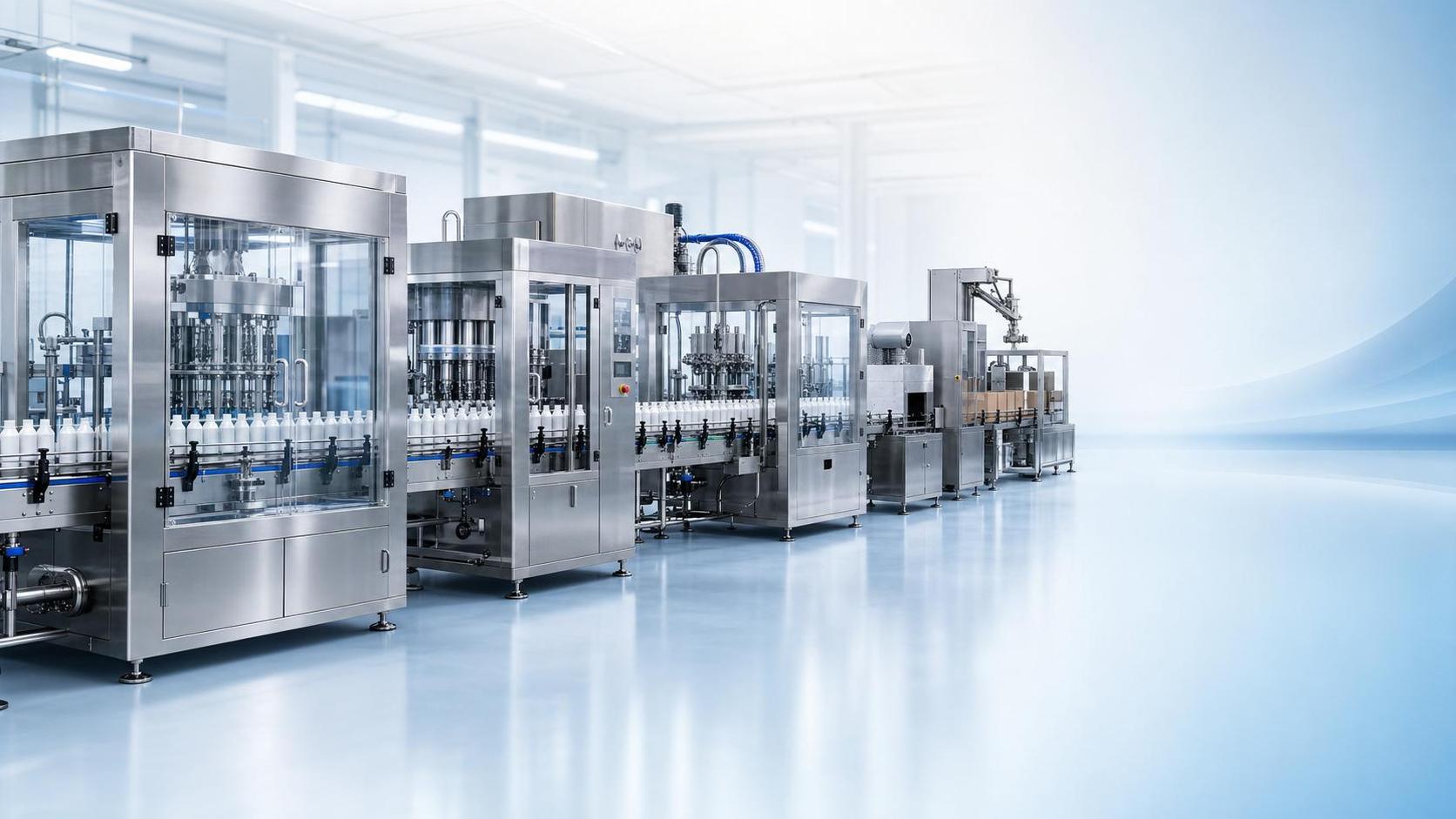
A practical layout is the backbone of Daily Chemical Filling Production Line Layout Basics. In a filling production line for daily chemicals, line balance, hygiene control, and room for expansion often matter as much as machine speed.
A well-planned arrangement helps reduce changeover delays, prevent bottlenecks, and keep packaging quality stable. It also makes investment decisions clearer when selecting rinsing, filling, capping, drying, conveying, and carton sealing equipment.
What a balanced line layout really means
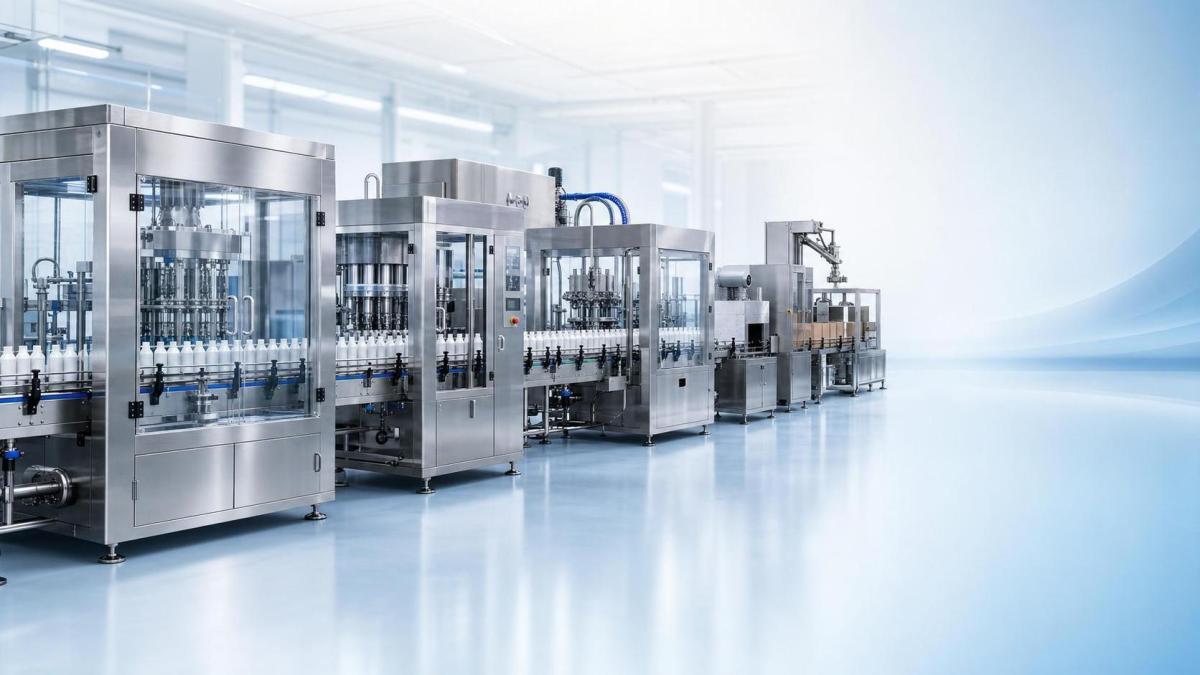
In daily chemical packaging, layout is not only about fitting machines into a workshop. It is about creating a clean, continuous product flow from empty container entry to finished case output.
For a filling production line for daily chemicals, the basic sequence usually includes bottle washing or rinsing, filling, capping or corking, shrinking or drying, inspection, conveying, and final carton sealing.
When these stations are arranged correctly, operators move less, material transfer becomes smoother, and maintenance access stays manageable. That reduces hidden losses that often appear after startup.
Why layout decisions matter early
A poor layout can lock a project into long-term inefficiency. Extra conveyor turns, narrow maintenance gaps, or mismatched buffer zones may seem minor during design, yet they create recurring downtime later.
This is especially relevant in daily chemical production, where product formats, bottle shapes, and viscosity can vary widely. Shampoo, lotion, liquid soap, sanitizer, and cream do not place identical demands on the same line.
Many packaging projects now favor modular supporting equipment. Bottle rinsing machines, automatic fillers, capping units, shrinking and drying machines, conveying systems, carton sealers, and filtering machines can be combined more flexibly around actual process needs.
Core sections to evaluate in the workshop
The most useful way to review a filling production line for daily chemicals is to examine each section by function, then check how one section affects the next.
Practical layout priorities
Usually, the strongest layouts are built around a few clear priorities instead of chasing the highest nominal output.
- Keep product flow linear where possible to reduce unnecessary handling.
- Reserve space for maintenance, format change, and spare parts access.
- Separate wet, filling, and outer packing zones when hygiene needs differ.
- Match filler speed with capping and packing capacity, not just upstream supply.
- Plan utility points early, including air, water, drainage, and power routing.
This approach supports both OEM projects and tailored solutions for smaller operations, where footprint and budget need tighter control without sacrificing stable output.
How to judge fit for different daily chemical products
Not every filling production line for daily chemicals should be configured the same way. Low-viscosity liquids may prioritize flow stability and anti-drip control, while creams or thicker products may need different pumps, nozzle designs, and cleaning routines.
Container size also shapes the layout. Small bottles often require more precise indexing, faster cap handling, and tighter integration between filling and closure stations.
In actual planning, it helps to confirm four points early: material characteristics, target container range, future SKU expansion, and acceptable downtime during changeover.
A useful next step before final equipment selection
Before locking the final layout, map the line around the real product mix instead of a single ideal sample. That makes it easier to compare standalone machines with a complete integrated packaging line.
For compact formats, an additional reference is Small Bottle Filling Machine. It suits 5ml to 500ml containers and can handle water-based liquids, oils, syrups, creams, small particles, or powders.
Its filling accuracy typically ranges from ±0.5% to ±1%, with options for piston pump, peristaltic pump, gear pump, or time-pressure dosing. Integrated filling, plugging, and capping can also simplify compact line design.
The best decision is usually the one that fits current output, sanitation needs, and future product variation at the same time. That is where a strong layout stops being a drawing and starts becoming a reliable production asset.
Thank you very much for writing to us. Please leave your message and contact information, we will reply to you within 24 hours.