
Filling Machine Types Compared by Product Viscosity
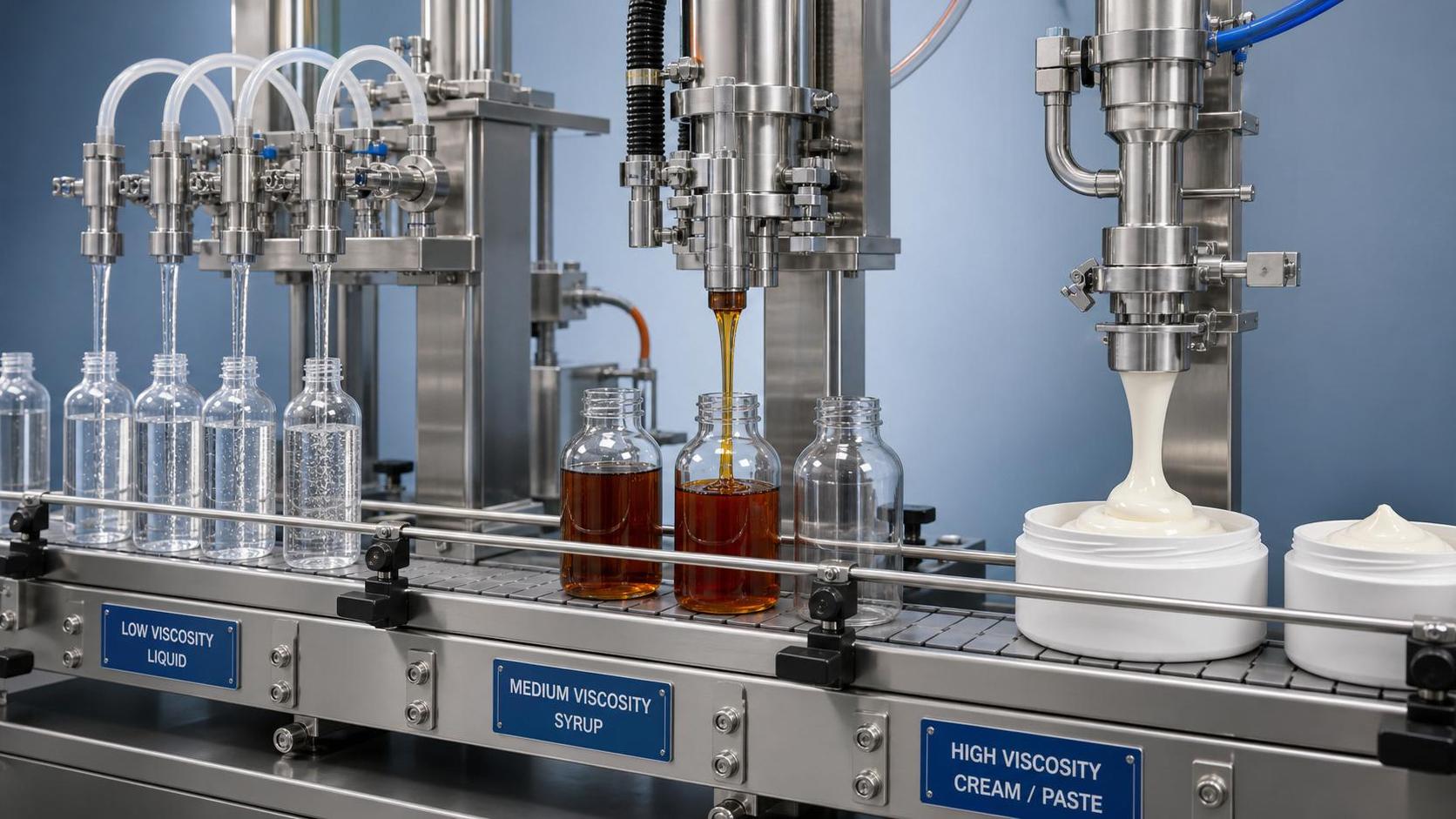
Product viscosity shapes almost every filling decision on a packaging line. A low-viscosity beverage, a medicated syrup, and a dense cosmetic cream may all need a different Filling machine to balance speed, dosing accuracy, hygiene, and container consistency.
That is why viscosity comparison remains a practical starting point when reviewing equipment for food, daily chemical, pharmaceutical, and chemical applications. It also helps explain why complete lines often combine rinsing, filling, capping, conveying, drying, sealing, and filtration into one coordinated system.
How viscosity changes filling performance
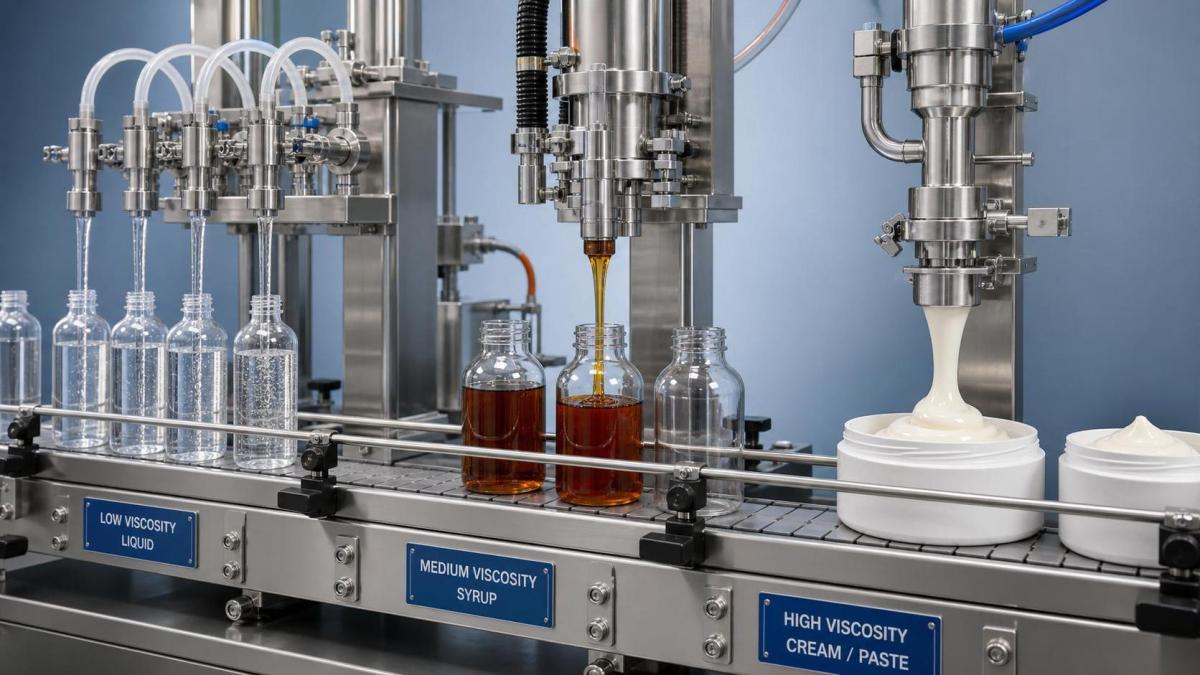
Viscosity describes how easily a product flows. Thin liquids move quickly and predictably. Thick products resist movement, trap air more easily, and may require stronger pumping, slower filling, or different nozzle control.
In real production, the wrong match creates visible problems. Dripping, foaming, inaccurate fill levels, splashing, residue buildup, and difficult cleaning often come from selecting a Filling machine without enough attention to product behavior.
Temperature matters too. Oils, sauces, gels, and chemical liquids can become thinner or thicker during processing, which means the same product may behave differently across seasons or shifts.
Common filling machine types by product range
Several machine principles are widely used in modern packaging lines. Each one suits a certain viscosity window, but also depends on container shape, target output, sanitation needs, and budget.
What different industries usually prioritize
Food lines often care about cleanability, foam control, and gentle handling. Daily care products usually need better adaptation to creams, lotions, and variable container designs.
Pharmaceutical applications place more weight on precision, sanitary construction, and repeatability. Chemical packaging lines may focus on compatibility with aggressive media, vapor management, and safe operation in hazardous areas.
This is where a standalone Filling machine is only part of the decision. Bottle washing, capping, shrink drying, conveying, carton sealing, and filtration influence total line efficiency and product protection.
Low, medium, and high viscosity in practice
- Low viscosity: water-like liquids usually fit gravity or flow-based systems.
- Medium viscosity: oils, liquid soap, and syrup often suit pump-based solutions.
- High viscosity: paste, cream, honey, gel, or sauce often need piston filling or specialized pumps.
- Variable products: emulsions or temperature-sensitive liquids may need testing before final machine selection.
How to evaluate a filling machine beyond viscosity alone
Viscosity is the entry point, not the whole answer. A good comparison also checks particulates, foaming tendency, corrosiveness, flammability, target container sizes, changeover frequency, and required output per hour.
Nozzle design deserves close attention. Anti-drip nozzles, bottom-up filling, diving nozzles, or sealed filling heads can improve performance when products string, splash, or release vapor.
Cleaning method is another practical filter. For lines with frequent product changes, quick disassembly or automated cleaning can save more time than a small difference in nominal speed.
- Confirm product flow behavior at actual operating temperature.
- Compare filling principle with accuracy target and output goal.
- Check material compatibility with product chemistry.
- Review how the machine fits the full packaging line.
A useful reference for demanding chemical applications
When the product is not only viscous but also corrosive, flammable, or potentially explosive, the Filling machine specification must expand from dosing performance to safety architecture.
In those cases, corrosion-resistant contact materials such as 316L stainless steel, Hastelloy, PTFE, PVDF, PP, or ceramic may be necessary. Depending on the liquid, piston pumps, diaphragm pumps, flow meters, or weighing systems may all be suitable.
It is also worth checking explosion protection options such as Ex d flameproof, Ex e increased safety, or Ex nA non-sparking designs, plus pneumatic actuation, sealed chambers, and exhaust-assisted protection.
For that kind of evaluation, Corrosion-Resistant and Explosion-Proof Filling Machine offers a useful reference point. The next step is to map product viscosity, chemical compatibility, area classification, and line integration into one decision framework.
Thank you very much for writing to us. Please leave your message and contact information, we will reply to you within 24 hours.