
Filling Machine for Shampoo: Avoid Drips and Foam Loss
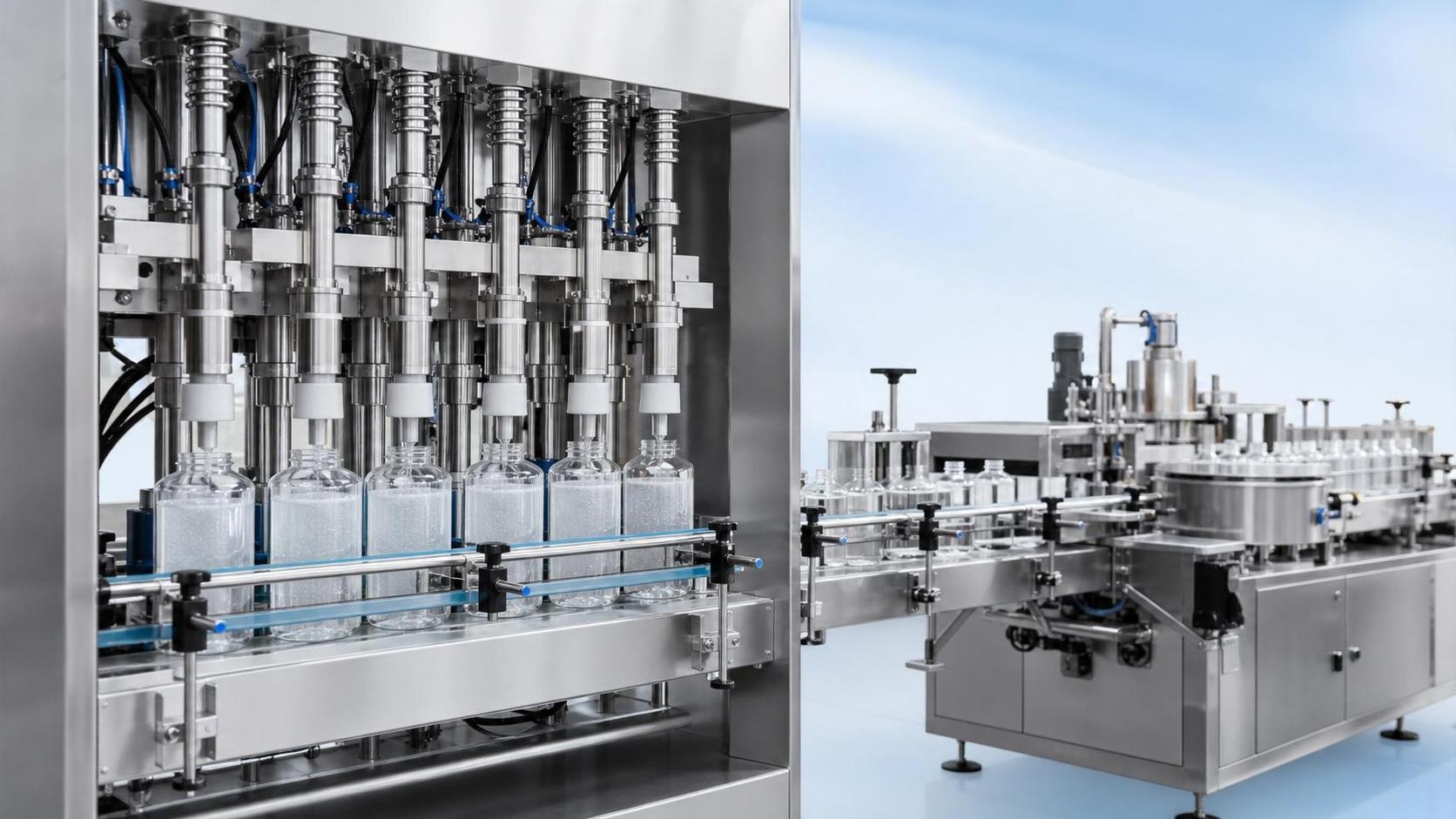
Filling Machine for Shampoo: Avoid Drips and Foam Loss

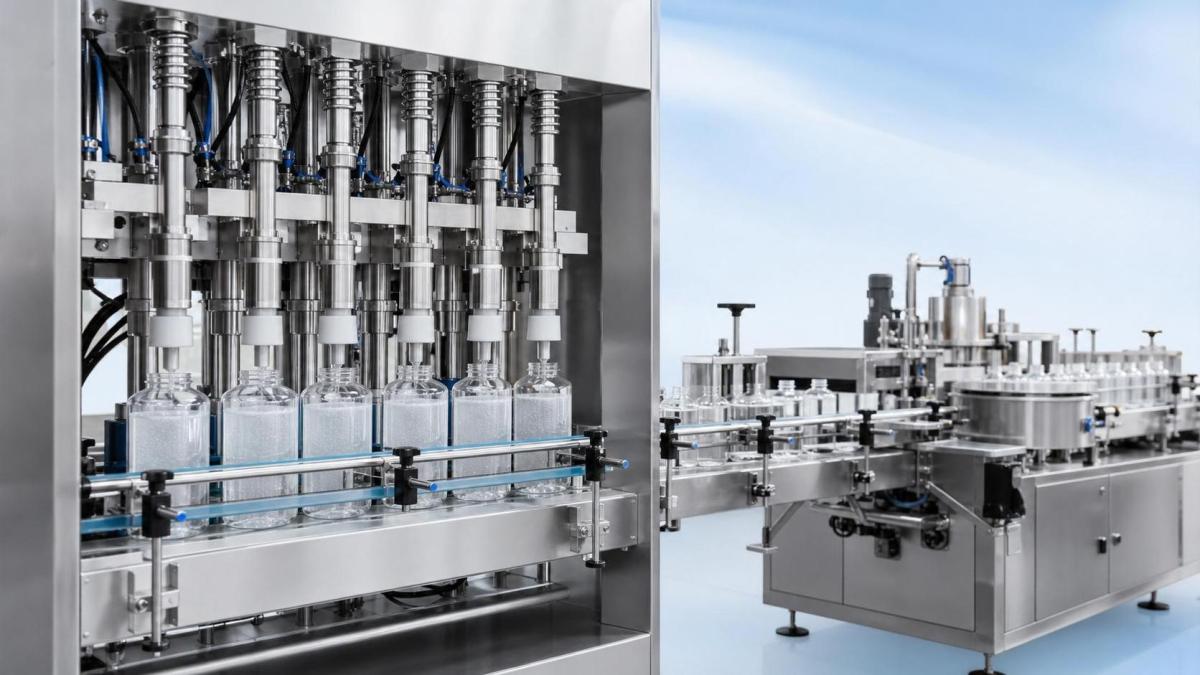
A reliable filling machine for shampoo does more than fill bottles.
It helps prevent drips, reduce foam loss, and keep each cycle clean.
In daily production, small filling errors quickly become wasted product and extra cleanup.
That also affects bottle appearance, cap sealing, and line efficiency.
A well-tuned filling machine for shampoo keeps texture stable and supports smoother operation.
Why Drips and Foam Happen on a Shampoo Line
Shampoo is thicker than water, but it still reacts to speed, pressure, and nozzle design.
When filling starts too fast, trapped air creates bubbles and unstable volume.
When filling stops too slowly, product strings form and drip onto the bottle neck.
Bottle shape matters too.
Narrow openings increase splash risk, especially when the filling machine for shampoo runs at higher output.
More importantly, temperature changes can alter viscosity during long shifts.
That means a setting that worked in the morning may drift by afternoon.
Set the Filling Machine for Shampoo the Right Way
The first step is matching the filling principle to the product.
For shampoo, piston filling is often preferred for stable volume control.
However, setup matters as much as machine type.
- Lower the initial filling speed to reduce air mixing.
- Use bottom-up filling when bottle format allows it.
- Adjust nozzle diving depth to stay close to the liquid surface.
- Enable suck-back or anti-drip control after each fill.
- Check valve response time if drips continue.
These changes are simple, but they usually solve most drip issues.
They also help the filling machine for shampoo keep more consistent net content.
Practical Checks During Daily Operation
Good results depend on routine checks, not only machine settings.
In practice, operators can catch filling problems early by watching a few signals.
- Inspect nozzle tips for residue buildup every shift.
- Verify fill level variance with regular sampling.
- Monitor tank agitation to avoid excess air entry.
- Keep conveyor timing stable before capping.
- Clean bottle necks quickly if splash appears.
This is where a complete packaging line becomes valuable.
Bottle washing, automatic filling, capping, shrinking, conveying, sealing, and filtering work better as one system.
For small businesses, tailored line design or OEM support can also reduce adjustment time.
How to Reduce Foam Loss Without Slowing Production
Foam loss is not only a visual problem.
It can create underfill risk, unstable weights, and slower capping performance.
The better approach is controlled flow, not simply lower speed.
- Use multi-stage filling speed for start, middle, and finish.
- Keep product feed pressure stable across all heads.
- Avoid unnecessary recirculation in the product tank.
- Match nozzle diameter to shampoo viscosity.
A modern filling machine for shampoo should support these adjustments clearly and repeatably.
That makes troubleshooting faster and line output easier to protect.
Quick Troubleshooting Guide
When these points are reviewed regularly, the filling machine for shampoo becomes easier to manage.
The result is cleaner bottles, less waste, and fewer stops across the line.
Final Tip for Cleaner and More Stable Filling
A strong shampoo line depends on more than filling accuracy alone.
Water quality also supports cleaning, formulation consistency, and process stability.
As an added solution, EDI Ultrapure Water Equipment provides continuous high-purity water without chemical regeneration.
It can reach 18 MΩ·cm at 25°C, with PLC automatic control and online monitoring of resistivity, flow, and pressure.
With stable operation, low energy use, and modular expansion, it fits demanding applications from cosmetics to pharmaceuticals.
If the goal is cleaner filling, lower foam risk, and steadier daily output, a better-configured filling machine for shampoo is the right place to start.
Thank you very much for writing to us. Please leave your message and contact information, we will reply to you within 24 hours.