
Fully Automatic Filling Machine for Oil: Leak Prevention Basics
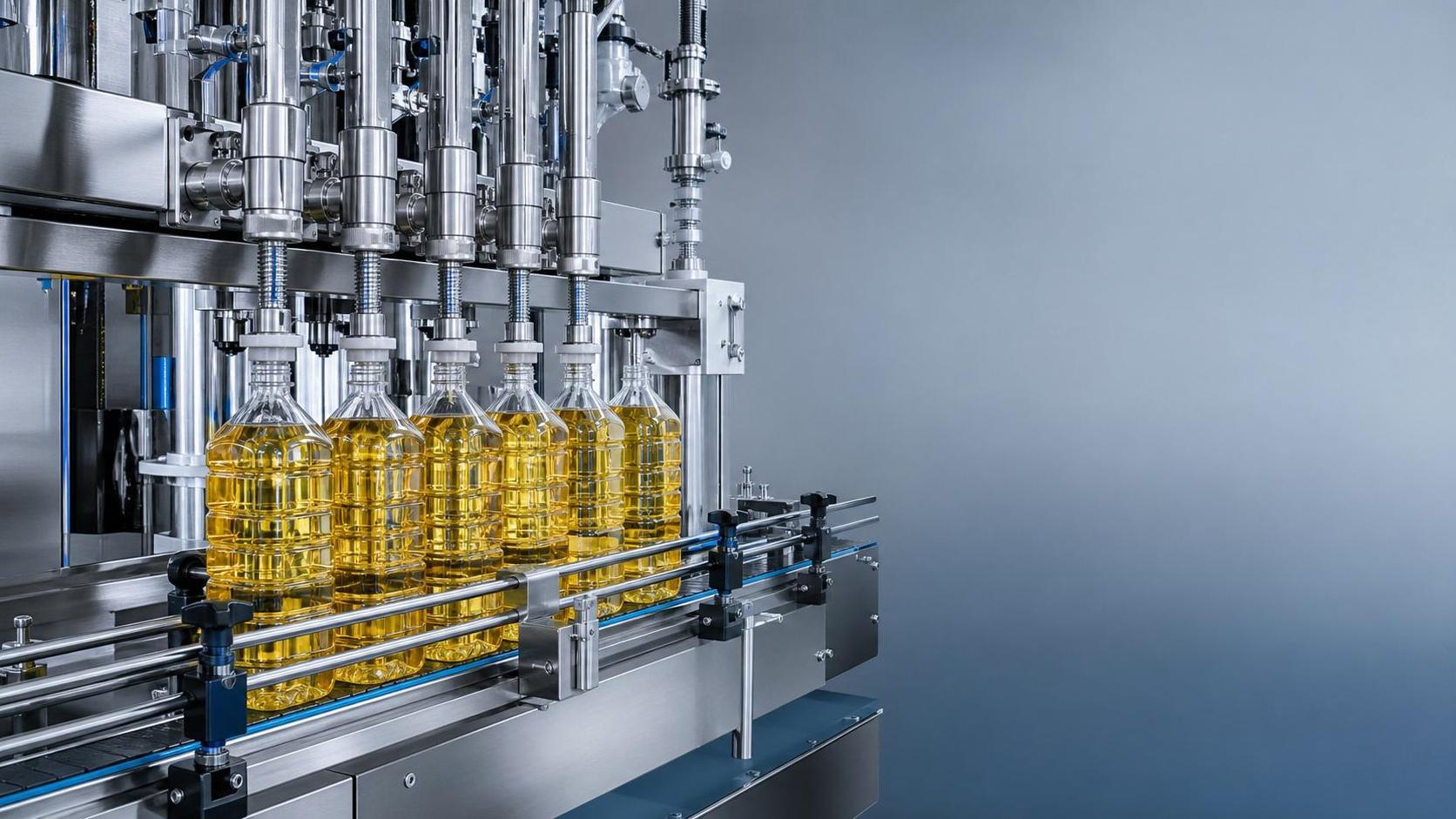
Why does a fully automatic filling machine for oil still leak?

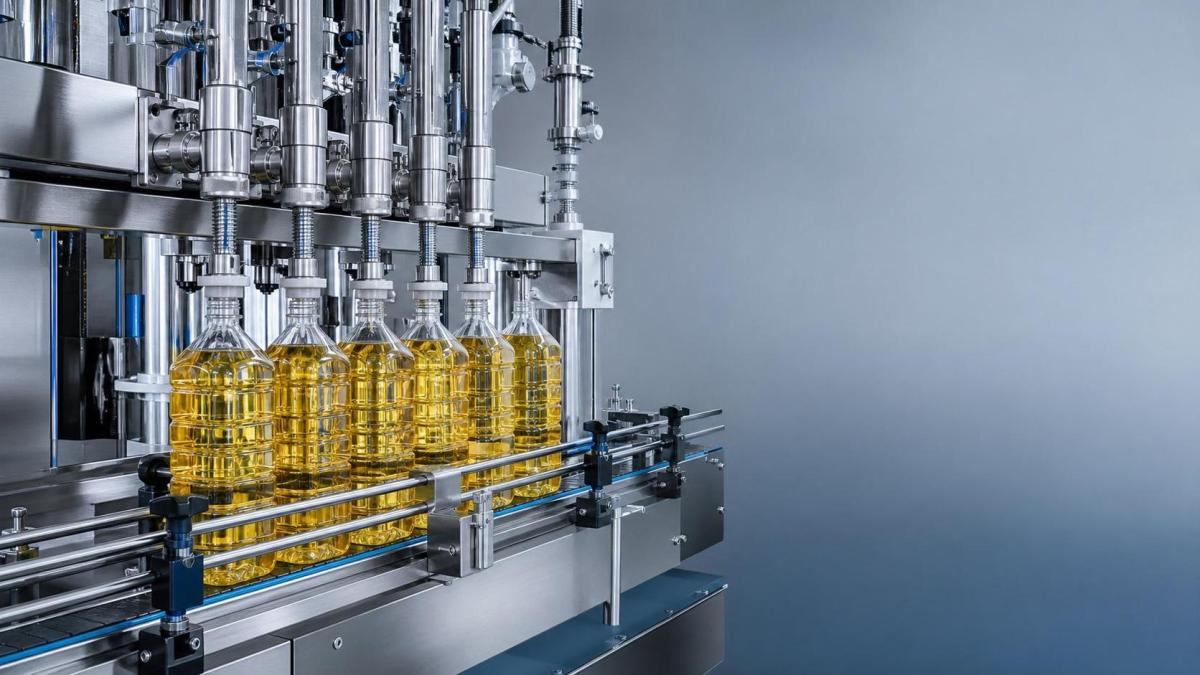
A fully automatic filling machine for oil improves output and fill consistency, but leakage can quietly erase those gains.
In packaging lines, small drips often lead to slippery floors, sticky containers, label problems, and unplanned cleaning stops.
More often than not, leaks come from a few basic points: nozzle design, sealing wear, unstable bottle positioning, or poor parameter matching.
Oil behaves differently from water. Its viscosity, temperature response, and surface adhesion make clean cutoff more difficult during high-speed filling.
That is why leak prevention is not a minor adjustment. It is part of stable production, quality control, and cost management.
Which parts should be checked first when oil drips appear?
Start with the filling head. A worn seal, delayed shutoff, or residue buildup around the nozzle tip is a common cause.
Then check bottle movement. If containers shake under the nozzle, even a well-set fully automatic filling machine for oil may splash or drip.
Conveying rhythm matters too. In a complete packaging line, timing between rinsing, filling, capping, and transfer must stay synchronized.
Filtering should not be ignored. Particles in edible oil, chemical oil, or blended liquids can affect valve closure and sealing surfaces.
A practical first check usually includes these points:
- Nozzle shutoff response and anti-drip structure
- Seal rings, valve seats, and hose connections
- Bottle centering, guide rails, and clamping stability
- Pump pressure, fill speed, and liquid level settings
- Oil temperature and viscosity changes during the shift
How do you judge whether the problem is setup or hardware?
A simple way is to observe when leakage happens. If it appears after product changeover, setup is often the first suspect.
If leakage becomes worse gradually, worn parts are more likely. Seals and valve components rarely fail all at once.
The table below helps separate common causes without overcomplicating troubleshooting.
What settings reduce leaks without slowing the whole line?
The best answer is balance, not just slower speed. A fully automatic filling machine for oil needs parameters matched to container, oil type, and downstream rhythm.
Lowering the final filling speed often helps. A two-stage fill profile can reduce foam, overflow, and nozzle tailing.
Nozzle diving can also improve control. When the nozzle position follows the liquid rise, splashing becomes easier to manage.
It is also worth checking whether capping starts too late. Uncapped oil bottles traveling too far may spread residue around the neck.
- Use stable pressure rather than aggressive peak flow
- Match nozzle diameter to viscosity and bottle mouth size
- Keep container indexing repeatable across the conveyor
- Coordinate filling with capping, shrinking, and drying steps
In integrated lines serving food, daily chemical, pharmaceutical, or chemical products, these small timing corrections often matter more than raw speed.
Are there common mistakes that make leak prevention harder?
Yes, and many are routine habits rather than major faults. One mistake is cleaning only visible oil, while ignoring buildup inside the nozzle assembly.
Another is running one setting for every oil product. Cooking oil, essential oil blends, and industrial liquids do not respond the same way.
Some lines also replace filling parts too late. A seal that still works may already be causing unstable cutoff.
More practical leak prevention usually comes from routine discipline:
- Record settings by product and bottle format
- Inspect seals and valves on a fixed schedule
- Verify bottle neck cleanliness before capping
- Check upstream rinsing and downstream handling together
What should be reviewed before the next production run?
Before restarting, review the full path, not only the filler. Oil leakage often becomes visible at filling, but its cause may sit elsewhere.
Look at bottle preparation, filling accuracy, capping stability, conveying smoothness, and whether drying or shrink processes spread residue.
If the line also needs stronger shelf presentation, sleeve labeling can be added after filling and sealing for a more complete packaging flow.
For example, Automatic Sleeve Labeling Machine fits high-speed lines handling round, square, oval, or irregular containers.
It supports PVC, PET, OPS, and PLA sleeves, and is often used on beverage, dairy, condiment, daily chemical, and pharmaceutical packaging lines.
A good next step is to compare current leak points, product viscosity, container shape, and line speed together before changing parts or settings.
Thank you very much for writing to us. Please leave your message and contact information, we will reply to you within 24 hours.