Fully Automatic Filling Machine for Water: Compliance Basics
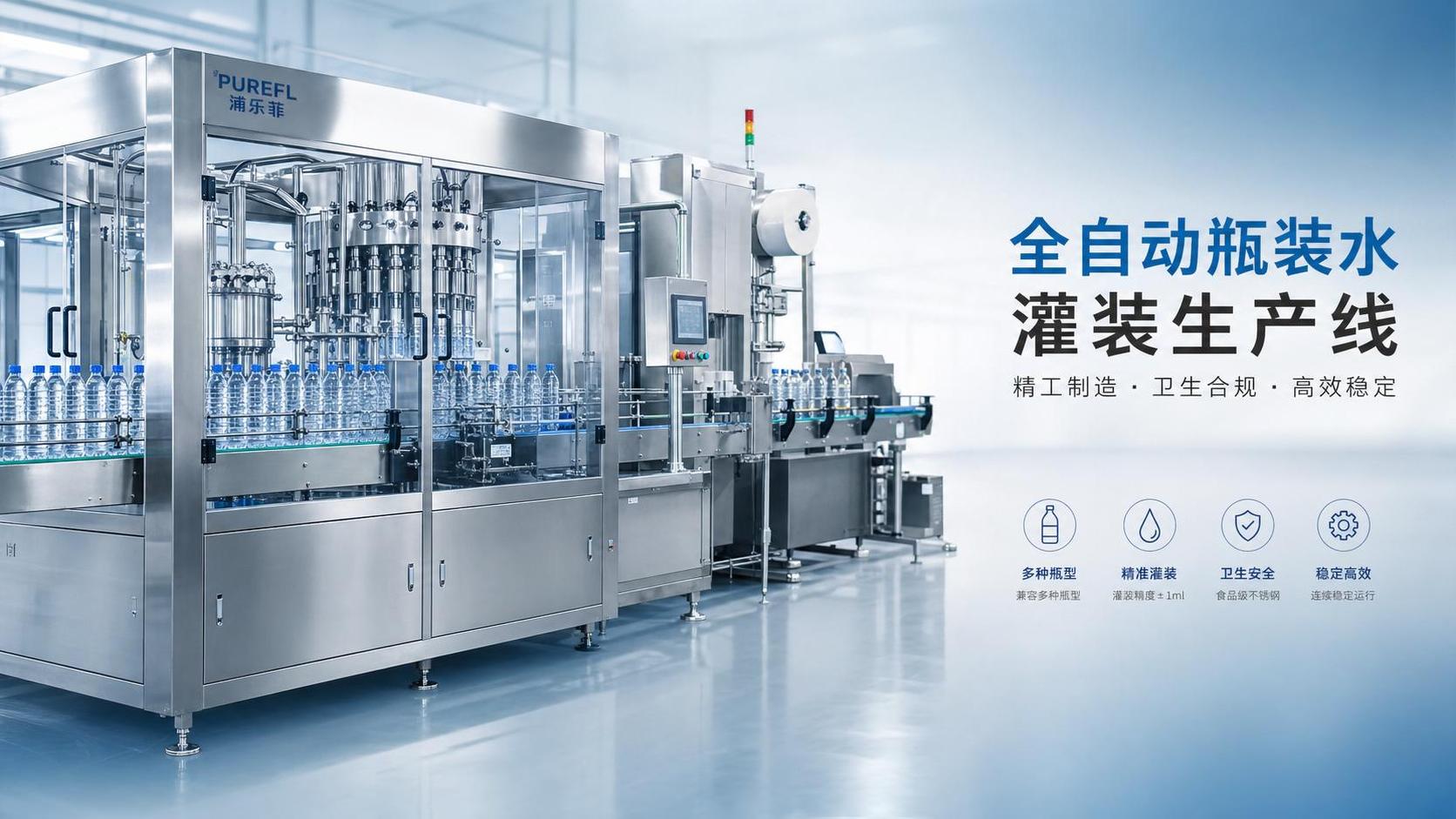
Why does compliance matter so much in a fully automatic filling machine for water?

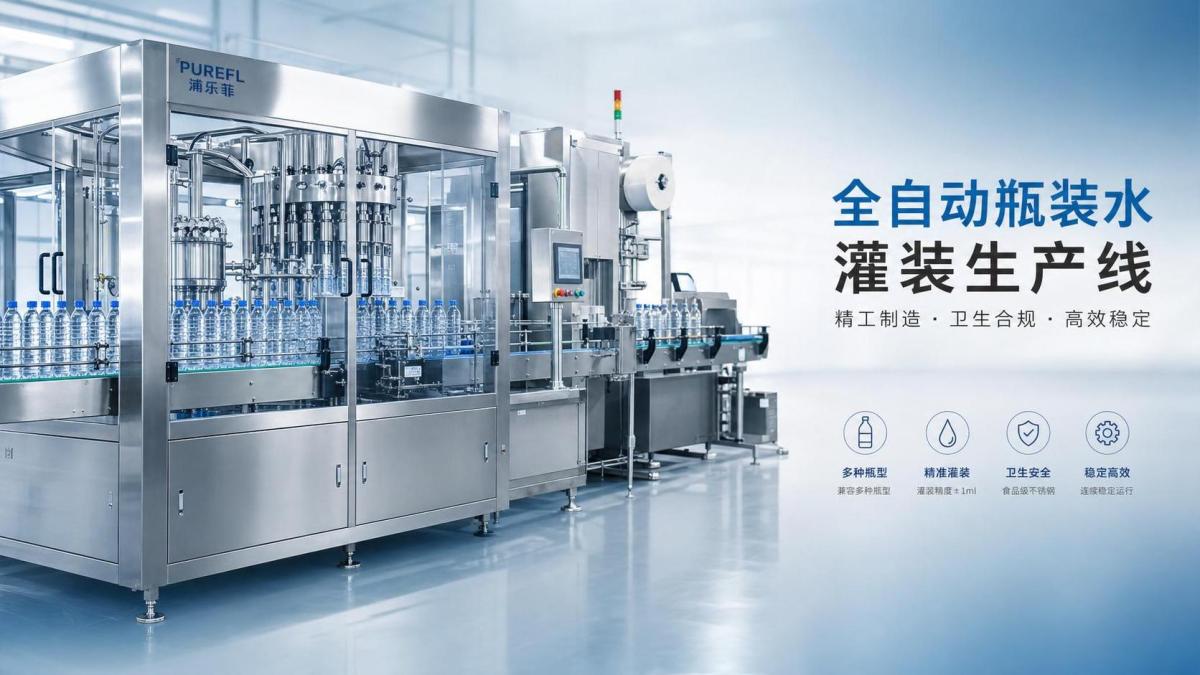
A fully automatic filling machine for water is judged by more than output per hour.
In practice, the bigger question is whether the line protects product safety at every transfer point.
That includes bottle rinsing, filtered filling, cap handling, conveying, and the way operators clean and inspect the system.
For water packaging lines, compliance basics usually connect hygiene design, stable filling accuracy, traceability, and safe operation.
A line may run fast, yet still create risk if dead corners trap liquid, seals wear too quickly, or documentation is incomplete.
That is why equipment selection should look at the whole production line, not only the filler itself.
Which standards and design points usually deserve the closest review?
Searches for a fully automatic filling machine for water often start with capacity, then quickly move to sanitary construction.
A useful review normally covers materials, cleanability, guarding, and process control.
- Product contact parts should use suitable stainless steel and food-grade sealing materials.
- The filling path should avoid unnecessary joints, rough welds, and liquid retention points.
- CIP compatibility or simple disassembly matters when sanitation frequency is high.
- Electrical cabinets, sensors, and emergency stops should match the factory safety environment.
- Records for alarms, batch data, and maintenance make verification much easier later.
More complete suppliers often support not only filling machines, but also rinsing, capping, conveying, shrinking, sealing, and filtration sections.
That matters because compliance failures often appear between machines, not inside one machine alone.
How can you tell if a water filling line is truly hygienic, not just automated?
Automation reduces handling, but hygiene depends on details.
A fully automatic filling machine for water should separate clean and non-clean zones as much as possible.
Cap sorting, bottle entry, and finished bottle discharge need orderly flow to reduce cross-contact.
It also helps when the line integrates upstream washing or rinsing and downstream capping without long open exposure.
The table below gives a practical review shortcut before approval or line upgrade.
What are the most common compliance mistakes during equipment selection?
One common mistake is treating the fully automatic filling machine for water as a standalone purchase.
If the filter, rinser, capper, or conveyor is poorly matched, the whole line becomes harder to validate.
Another mistake is focusing only on current bottle size.
Real operations often change formats, closures, or labeling requirements, so adjustability should be checked early.
Documentation is another weak point.
If manuals, parts lists, wiring diagrams, and maintenance records are unclear, compliance audits become slower and less reliable.
Needless complexity can also create risk.
A simpler, well-integrated line is often easier to sanitize, maintain, and verify than an oversized setup.
How should implementation, validation, and routine checks be planned?
A good plan starts before installation.
Confirm water quality targets, bottle formats, filling speed, cleaning method, and line layout constraints first.
After that, qualification should cover dry runs, filled bottle checks, cap torque consistency, reject handling, and sanitation verification.
- Define acceptance criteria for volume accuracy and line stability.
- Verify start-up, shutdown, and changeover procedures.
- Review cleaning frequency against actual production rhythm.
- Track recurring alarms, leaks, and wear parts.
In actual operation, routine checks work best when they are short, visual, and tied to critical control points.
That makes the fully automatic filling machine for water easier to keep within standard, day after day.
What is the next sensible step after compliance basics are covered?
Once the main risks are clear, compare equipment as a complete packaging line rather than isolated units.
Look at how rinsing, filling, capping, conveying, drying, and final pack handling connect in daily use.
If labeling is part of the downstream process, clean application and easy format change also support compliance presentation.
For that stage, Self-Adhesive Labeling Machine can fit bottles, cans, boxes, and different container shapes without a separate gluing system.
It is also useful when consistent label placement, barcode readability, and cleaner changeovers matter across food, daily chemical, or pharmaceutical packaging lines.
The practical next move is to build a checklist around hygiene design, validation records, line integration, and future format changes before final selection.
Thank you very much for writing to us. Please leave your message and contact information, we will reply to you within 24 hours.