High-Speed Filling Production Line: Where ROI Improves Fast
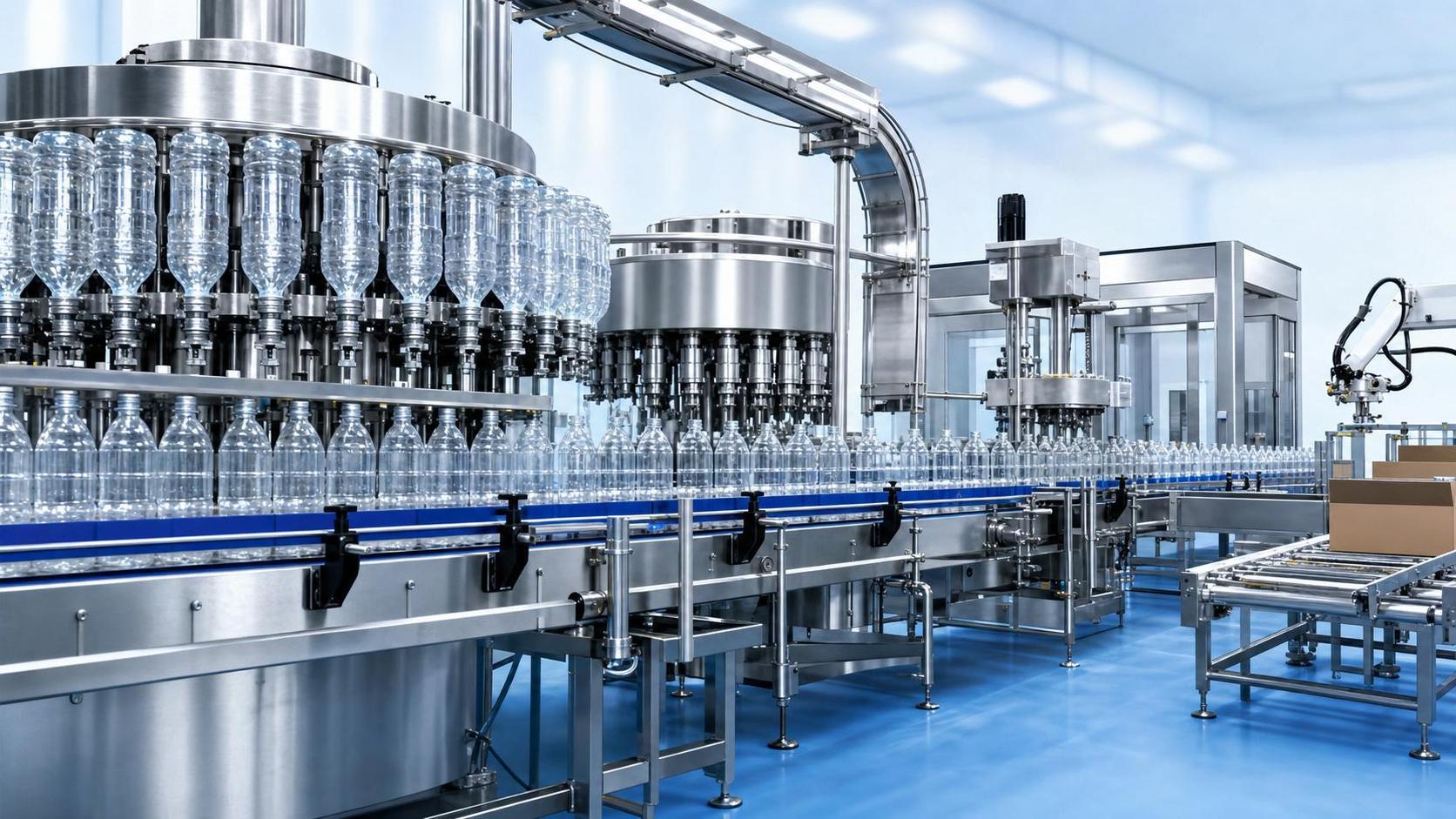
Why ROI Moves Faster on an Integrated Line
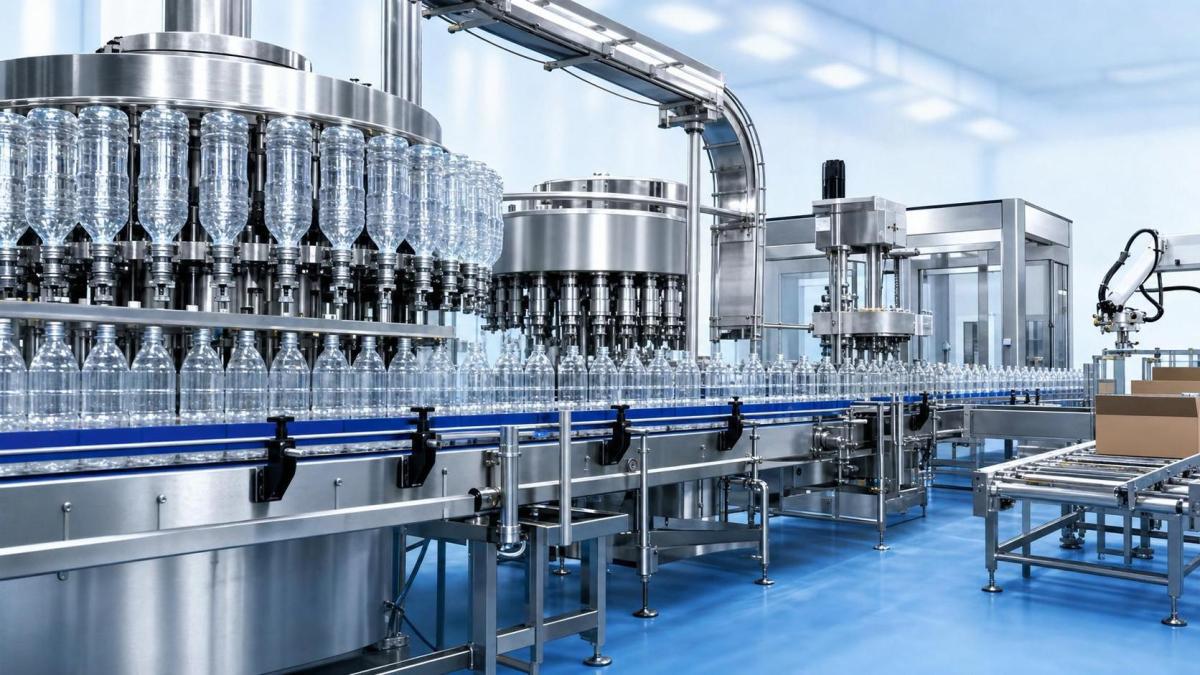
A High-speed filling production line matters when output targets rise faster than labor availability and operating costs.
In packaging production, speed alone is not the real advantage. The stronger return comes from stable flow across every connected step.
That flow usually includes bottle washing or rinsing, filling, capping or corking, shrinking, drying, conveying, carton sealing, and filtration.
When these machines work as one system, downtime drops, changeovers become more predictable, and product consistency improves.
For many plants, that is where payback accelerates. Less manual handling means fewer interruptions, lower rework, and better use of floor space.
What a High-speed Filling Production Line Really Includes
A High-speed filling production line is not just a fast filler placed in the middle of a workshop.
It is a coordinated packaging line designed to keep container preparation, liquid dosing, closure handling, transfer, and final packing in balance.
That balance is critical in food, daily chemical, pharmaceutical, and chemical applications, where cleanliness, repeatability, and line compatibility affect output.
- Upstream equipment prepares containers and reduces contamination risk.
- Core filling equipment controls volume accuracy and production rhythm.
- Downstream systems protect product integrity and support efficient case handling.
Simple capacity upgrades often fail because one bottleneck shifts to another station. Integrated design solves that problem earlier.
Why the Market Is Paying Closer Attention
Several pressures are pushing companies toward faster, better-connected filling systems.
Product portfolios are expanding. Packaging formats change more often. Quality requirements are tighter, especially where traceability and sanitation are central.
At the same time, labor costs remain hard to control through manual intervention alone.
This is why the High-speed filling production line is increasingly evaluated as a business system, not only as equipment.
Where Business Value Usually Appears First
The fastest gains usually appear in three areas: throughput stability, labor efficiency, and quality consistency.
Throughput stability
A line that runs steadily at a realistic speed is often more profitable than one with a high theoretical maximum and frequent stops.
Labor efficiency
Automation reduces repetitive handling between stations and lets operators focus on monitoring, quality checks, and line readiness.
Quality consistency
More controlled rinsing, filling, capping, drying, and filtration can reduce leaks, contamination events, and packaging defects.
These benefits matter across beverages, household care products, pharmaceuticals, condiments, and industrial liquids.
How to Judge Fit Before Expanding
In practice, the right High-speed filling production line depends on matching line architecture to actual product and container conditions.
- Check bottle type, volume range, viscosity, closure format, and sanitation requirements.
- Review whether upstream rinsing and downstream conveying can support target speed.
- Measure changeover time, not only nameplate capacity.
- Confirm whether OEM, wholesale, or tailored line solutions fit the expansion model.
- Account for maintenance access, spare parts, and future line extensions.
Smaller operations often benefit from modular planning. A line can start with core automation, then add connected equipment as volume grows.
A Practical Next Step
A sound evaluation starts with the full process map, not the filler alone.
Identify the current bottleneck, estimate true hourly output, and compare the cost of stops, rejects, and manual handling across the entire line.
From there, it becomes easier to judge which stations deserve immediate investment and which can remain flexible.
As one example at the container preparation stage, Inverting Bottle Rinser supports beverages, alcohol, condiments, and daily chemicals.
Built with food-grade stainless steel, it cleans inner bottle walls, removes dust and impurities, and rinses while inverted for efficient draining.
Its mature upside-down rinsing process, corrosion resistance, broad bottle compatibility, and seamless connection to filling and capping equipment make it a practical point of reference when reviewing line readiness.
That kind of step-by-step assessment usually leads to better decisions than chasing speed in isolation.
Thank you very much for writing to us. Please leave your message and contact information, we will reply to you within 24 hours.