
How to Compare an Automatic Filling Line Supplier
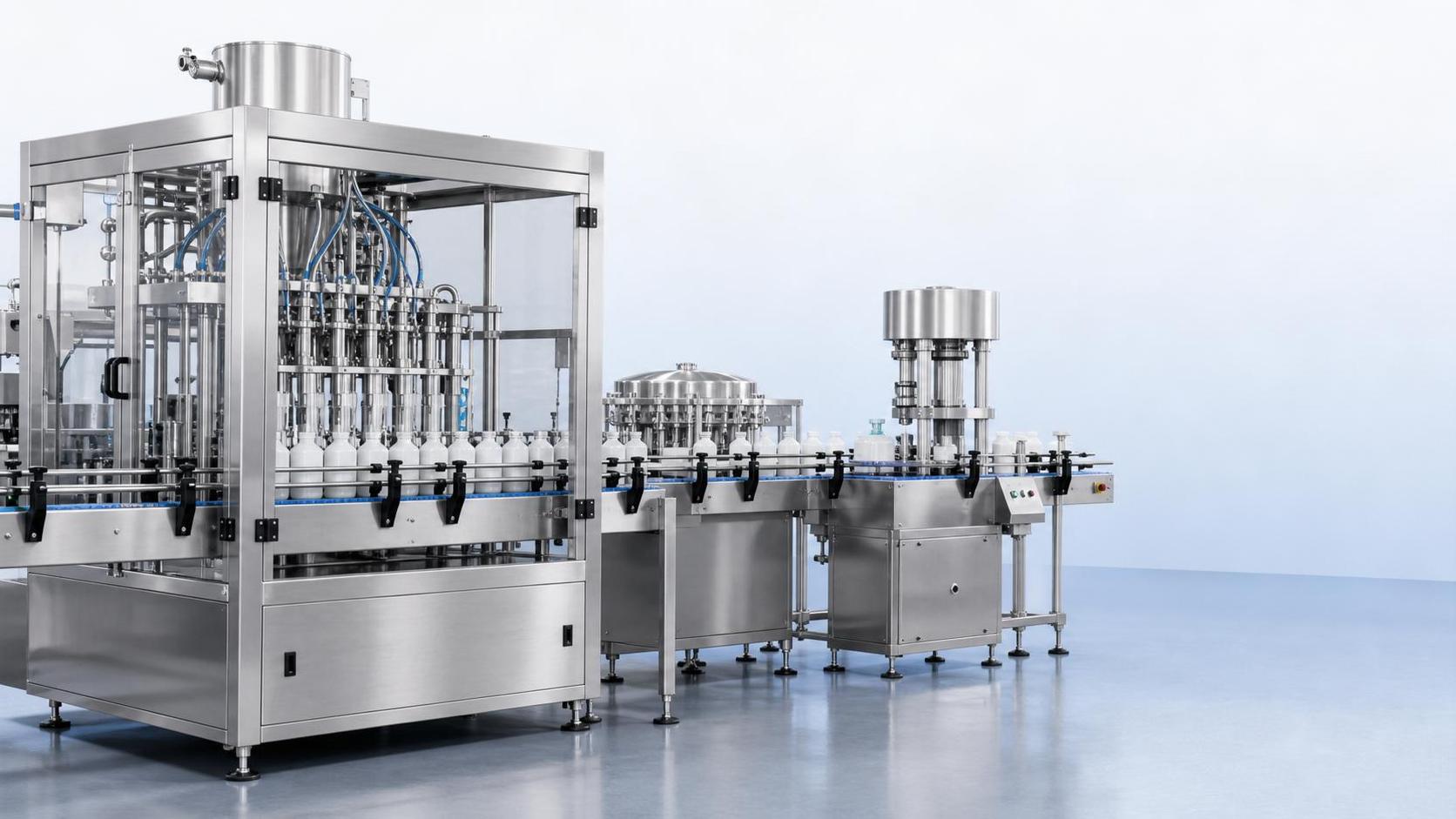
How should an automatic filling line supplier really be compared?

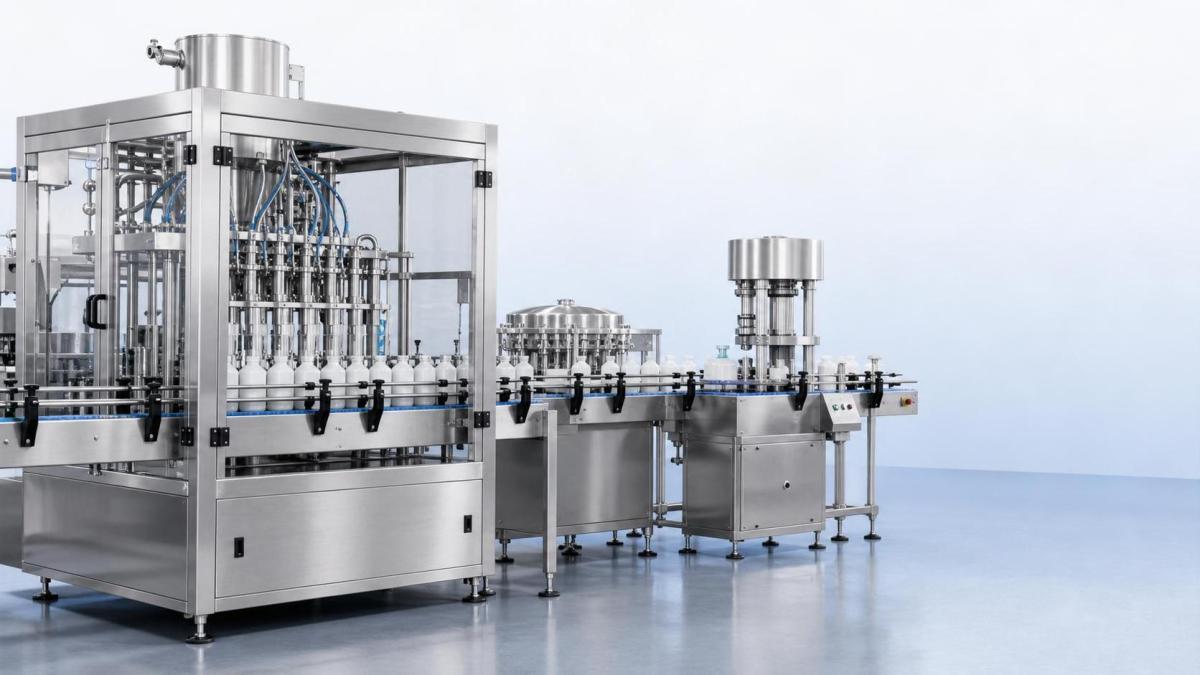
Choosing an automatic filling line supplier affects more than equipment cost. It shapes uptime, filling accuracy, changeover speed, and the long-term stability of the whole packaging line.
In real projects, the better comparison is not supplier A versus supplier B on price alone. It is whether the supplier can match your product, container, speed target, and expansion plan.
That is why many buyers look beyond the filling machine itself. They also review rinsing, capping, conveying, drying, sealing, and filtration support as part of one workable system.
What separates a capable supplier from a catalog trader?
A reliable automatic filling line supplier usually understands line integration, not just single-machine sales. That difference shows up early during technical discussions.
For example, food, daily chemical, pharmaceutical, and chemical products do not share the same filling risks. Viscosity, foaming, hygiene level, and container tolerance all change equipment choices.
A stronger supplier can explain:
- which filling principle suits the product;
- how bottle washing or rinsing should connect upstream;
- whether capping, drying, conveying, and carton sealing stay balanced at target speed;
- how future SKU changes will affect tooling and downtime.
If the conversation stays vague, the supplier may be reselling standard machines without deep packaging line experience.
Which questions reveal whether the supplier fits your production line?
A practical comparison starts with scenario questions. These questions make an automatic filling line supplier show real engineering capability instead of polished brochures.
In practice, these answers often tell more than a quoted price. They reveal how the supplier thinks about line performance as a whole.
Is a lower quote actually a lower total cost?
Not always. A cheaper automatic filling line supplier may leave out conveyors, controls integration, sanitation details, or validation support. Those gaps usually appear after the order is placed.
A more useful cost review includes:
- expected output versus rated output;
- changeover time between bottle formats;
- spare parts availability and delivery time;
- installation, training, and startup scope;
- energy, compressed air, and maintenance needs.
More common problems come from under-specified projects, not from machine price alone. When comparing suppliers, hidden operating costs deserve the same attention as the purchase budget.
Where do evaluation mistakes happen most often?
One frequent mistake is comparing only the filling unit. Packaging lines fail when one section runs faster or slower than the rest, creating jams, waste, or waiting time.
Another mistake is ignoring customization depth. OEM support, tailored layouts, and small-batch flexibility matter when space is limited or product plans are still evolving.
It also helps to confirm whether the automatic filling line supplier can support auxiliary equipment within the same logic, including rinsing, capping, shrinking, drying, conveying, sealing, and filtration.
That reduces interface risk and simplifies responsibility when problems appear during commissioning.
What is the smartest next step before making a final choice?
Shortlist suppliers using your real production data. Include product characteristics, bottle dimensions, target speed, cap type, labeling method, plant layout, and expected expansion.
Then ask each automatic filling line supplier to respond to the same checklist. That makes differences in engineering depth, delivery scope, and service commitment much easier to judge.
If labeling is part of the line, it is worth checking whether sleeve labeling can match your container shapes and throughput. An option such as the Automatic Sleeve Labeling Machine may suit beverage, dairy, condiment, daily chemical, or pharmaceutical lines.
This type of equipment can apply PVC, PET, OPS, or PLA shrink sleeves at about 100 to 400 containers per minute, while adapting to round, square, oval, and irregular containers with good label conformity.
A sound decision usually comes from comparing the complete line fit, not just one machine. Once your requirements are written clearly, the right supplier becomes easier to identify.
Thank you very much for writing to us. Please leave your message and contact information, we will reply to you within 24 hours.