
Industrial Bottle Filling Machine: Reliability Metrics to Track
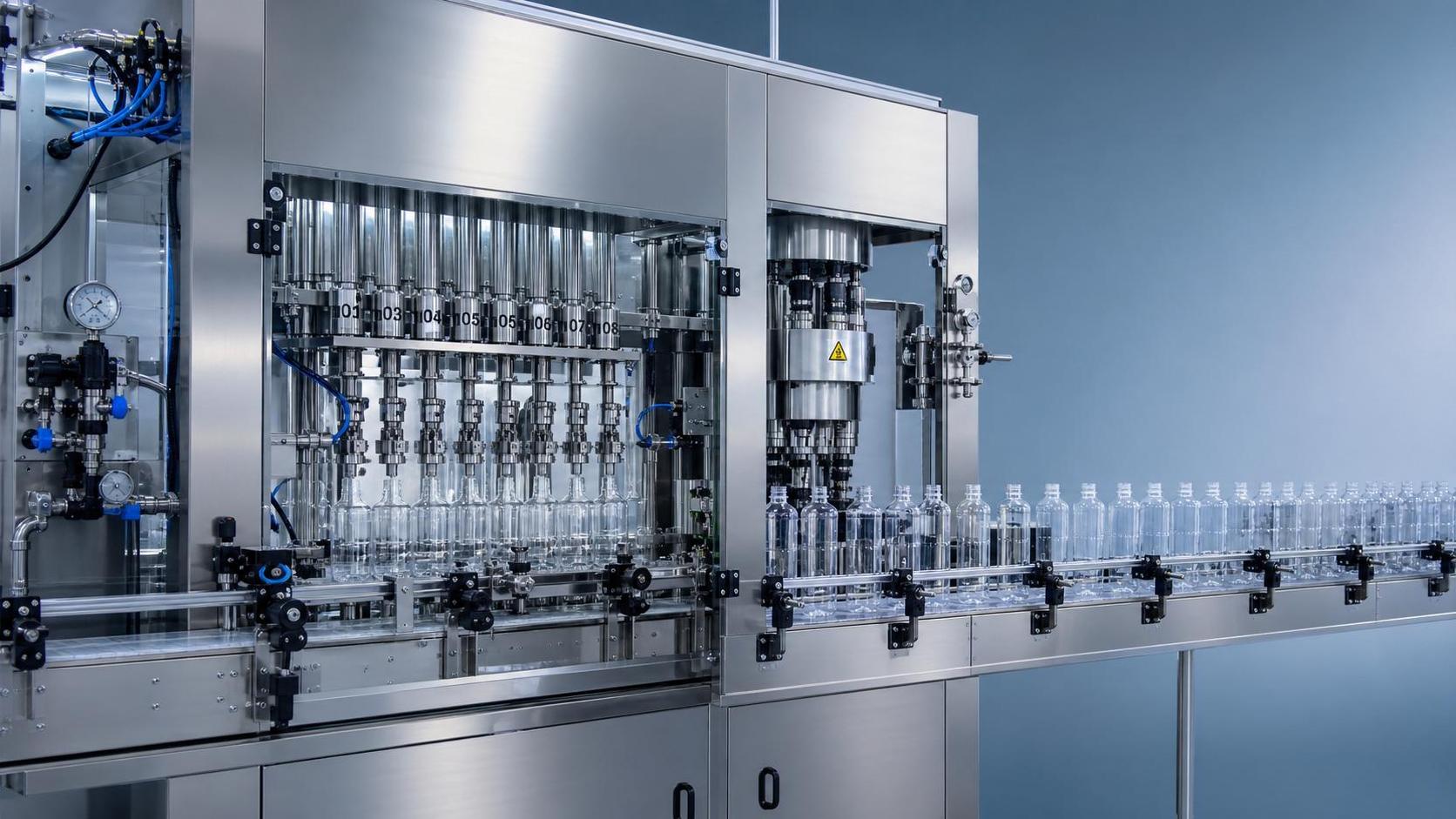
Industrial Bottle Filling Machine: Reliability Metrics to Track

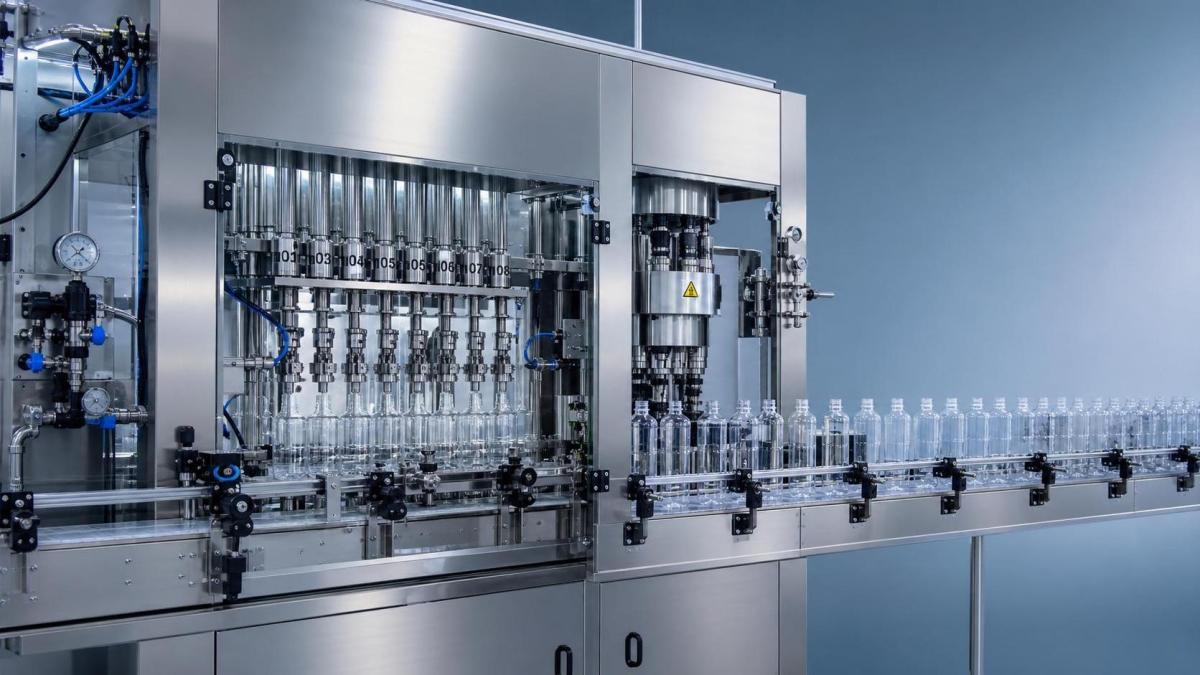
For after-sales work, reliability is not just about fixing faults fast.
It starts with tracking the signals that change before a stop happens.
A well-maintained industrial bottle filling machine usually gives warnings early.
Fill drift, unstable capping, air pressure variation, and rising vibration all matter.
When these metrics are monitored consistently, service teams reduce downtime and avoid repeat visits.
This also supports smoother performance across bottle rinsing, filling, capping, drying, and conveying sections.
Why reliability metrics matter
An industrial bottle filling machine can look normal while performance slowly declines.
That is why trend data matters more than one-time inspection results.
In real production lines, small deviations often spread to upstream and downstream equipment.
A filling issue may later appear as label waste, carton rejection, or customer complaints.
Core metrics to track weekly
- Fill accuracy: compare target volume with actual output variation.
- Capping torque consistency: spot loose or over-tight closures early.
- Machine uptime: monitor stoppage frequency and average repair time.
- Reject rate: track leaks, underfills, overflow, and cap defects.
- Changeover stability: note how quickly output returns to standard.
- Component wear: watch seals, valves, nozzles, bearings, and guides.
The most useful performance benchmarks
Not every plant uses the same product, bottle shape, or viscosity.
Still, a few benchmark ranges help evaluate an industrial bottle filling machine objectively.
From recent service trends, pressure instability is often a more useful clue than visible leakage.
How to diagnose reliability loss faster
When an industrial bottle filling machine starts missing targets, avoid checking parts randomly.
Start with pattern recognition across shifts, bottle types, and product recipes.
A practical troubleshooting order
- Compare reject records with operator logs and alarm history.
- Check nozzle condition, valve response, and seal wear.
- Review air supply, product feed pressure, and sensor repeatability.
- Observe capper synchronization with conveyor speed.
- Confirm change parts match current bottle and closure specifications.
This process is especially effective on complete packaging lines with rinsing, filling, capping, and sealing equipment.
It helps separate machine faults from material, setup, or utility issues.
Building a smarter maintenance routine
Good maintenance plans are built around measurable thresholds, not guesswork.
For each industrial bottle filling machine, define alert points before performance reaches failure level.
- Set baseline values after stable commissioning or overhaul.
- Record changes by product type, speed, and bottle format.
- Replace high-wear parts based on condition, not only calendar dates.
- Use PLC and HMI history to confirm recurring faults.
- Coordinate checks across conveyors, cappers, sealers, and filters.
That approach improves service efficiency and helps extend machine life without unnecessary part replacement.
It also supports small businesses that need flexible line upgrades and steady operating costs.
Final takeaway and supporting solution
The most reliable industrial bottle filling machine is usually the one with disciplined data tracking.
Focus on fill accuracy, cap quality, pressure stability, downtime patterns, and wear trends.
These metrics make field service more predictable and keep the full packaging production line running smoothly.
Where high-purity process water is also critical, EDI Ultrapure Water Equipment can be added as a supporting solution.
It provides continuous high-purity water production without chemical regeneration, with PLC monitoring for resistivity, flow, and pressure.
Typical applications include pharmaceuticals, electronics, biotechnology, food processing, and precision research environments.
With product water resistivity up to 18 MΩ·cm at 25°C and modular expansion design, it supports stable, low-cost operation.
If reliability data is already being collected, the next step is simple: turn those numbers into preventive action plans.
Thank you very much for writing to us. Please leave your message and contact information, we will reply to you within 24 hours.