
Servo Filling Machine: Where Motion Control Improves Accuracy
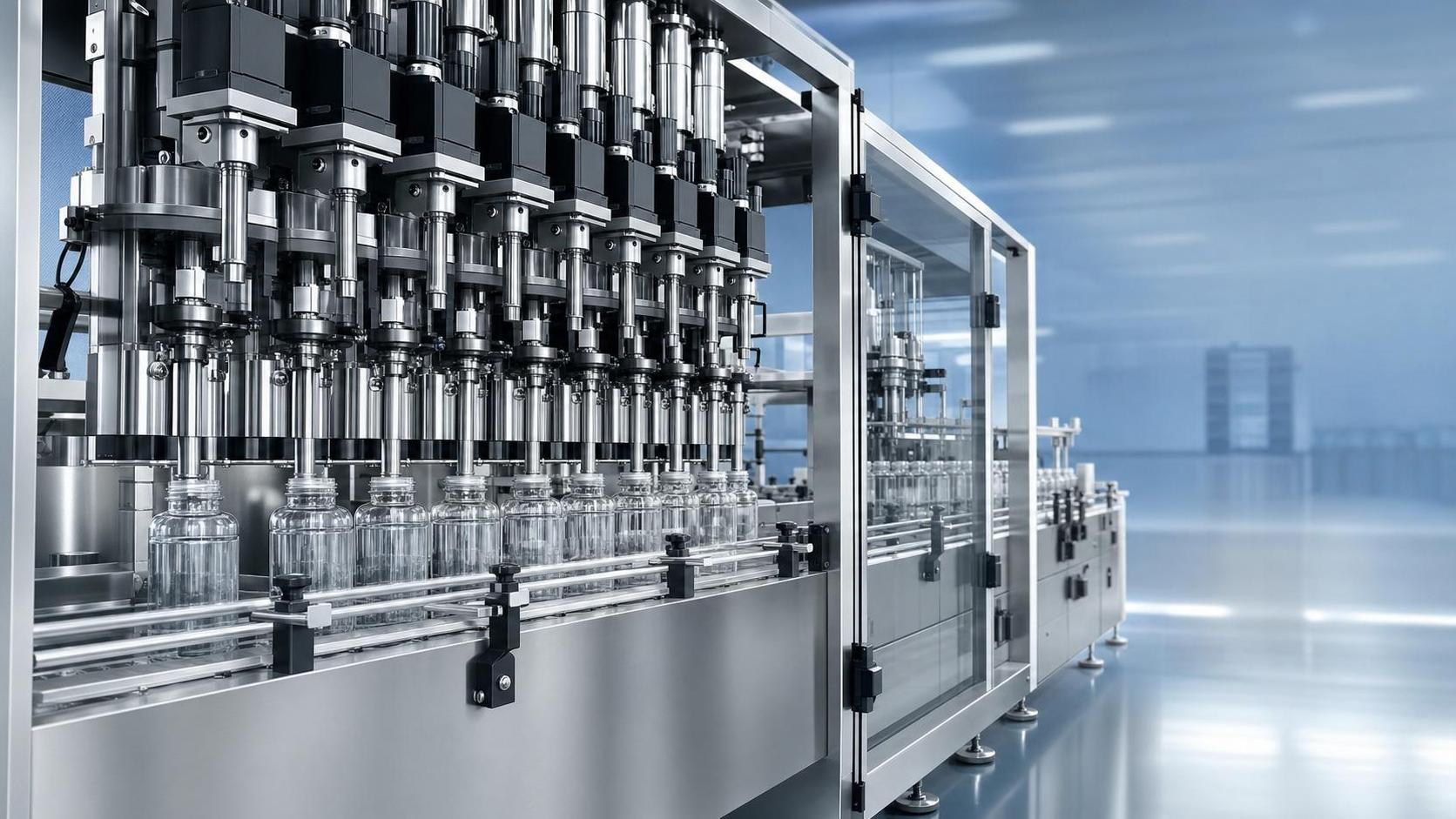
Servo Filling Machine: Where Motion Control Improves Accuracy

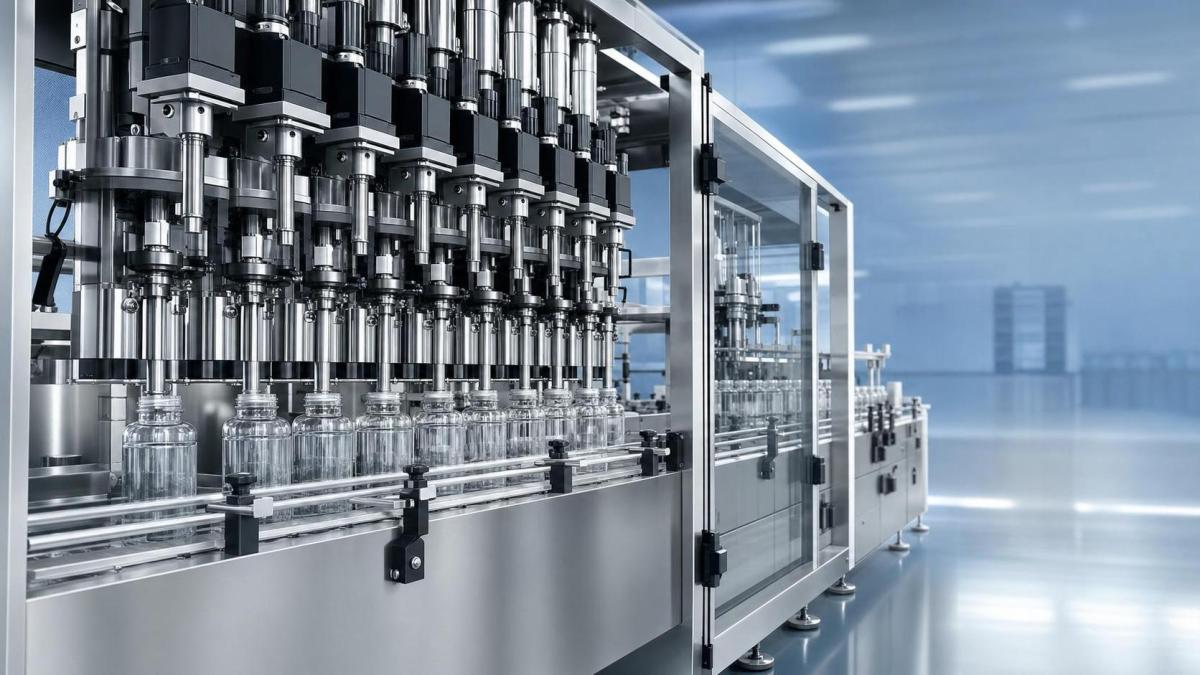
For technical evaluation, precision is rarely just a specification line. It affects yield, compliance, changeover time, and long-term operating cost.
A servo filling machine stands out because its motion control is measurable, repeatable, and easier to tune than many conventional filling methods.
In modern packaging lines, that matters even more. Product viscosity changes, container formats vary, and production targets keep getting tighter.
When filling accuracy improves, waste drops. Line stability improves too, especially in food, chemical, pharmaceutical, and daily care production.
How a Servo Filling Machine Controls Accuracy
The core advantage comes from servo-driven motion. The system controls filling stroke, speed, acceleration, and stopping position with high consistency.
This gives the servo filling machine better dosing repeatability than systems that rely on less responsive mechanical adjustment.
In practice, that means more stable fill volumes across long production runs. It also means faster parameter changes between products.
- Precise stroke control helps reduce underfill and overfill risk.
- Programmable speed profiles improve handling of thin or viscous liquids.
- Stable stop points help reduce dripping and product loss.
- Digital recipes support repeatable setup after product changeover.
These benefits are especially important where filling tolerance is linked to product value, regulatory limits, or downstream sealing performance.
Key Evaluation Points for Packaging Lines
When comparing a servo filling machine, look beyond headline speed. Real performance depends on how accurately the machine behaves under actual plant conditions.
A useful review often includes the following points.
- Filling accuracy across different bottle sizes and product viscosities.
- Response speed during acceleration, deceleration, and nozzle shutoff.
- Recipe management and ease of format switching.
- Integration with rinsing, capping, conveying, sealing, and filtering equipment.
- Maintenance access, spare parts availability, and control system diagnostics.
This wider view is important because filling quality does not exist in isolation. It affects the whole packaging production line.
For example, unstable filling can create capping issues, labeling inconsistency, or carton packing inefficiency later in the process.
Where Servo Filling Machine Performance Brings Value
The value of a servo filling machine becomes clearer in mixed-product operations. Many factories now run shorter batches and more container variations.
That shift makes flexible parameter adjustment a practical advantage, not just a technical feature.
This is why many buyers now assess filling equipment as part of a complete line, not as a standalone machine.
Common Risks and Practical Selection Advice
A servo filling machine is not automatically the right fit in every case. Performance still depends on nozzle design, product characteristics, and line matching.
During selection, keep the review practical.
- Test with real product samples, not only water-based trials.
- Check fill stability at both low and high speeds.
- Confirm control compatibility with the existing packaging line.
- Review cleaning, maintenance, and operator training requirements.
- Ask for performance data tied to your container and viscosity range.
In actual operations, the best result usually comes from matching accurate filling with coordinated rinsing, capping, drying, conveying, and sealing equipment.
That is where full-line experience becomes valuable, especially for OEM projects, wholesale supply, or tailored solutions for smaller businesses.
Final Takeaway
If the goal is tighter accuracy, cleaner changeover, and stronger line integration, a servo filling machine is often the more future-ready option.
Its real advantage is not only speed. It is controlled, repeatable motion that supports stable production decisions over time.
To extend that line efficiency downstream, it is also worth considering labeling equipment that adapts to different containers and label types.
For food, daily chemical, pharmaceutical, and electronics applications, Self-Adhesive Labeling Machine supports automatic label application, easy size changeover, clean results, and operation without a separate gluing system.
When filling precision and downstream presentation need to work together, combining the right servo filling machine with suitable labeling equipment creates a more reliable packaging line.
Thank you very much for writing to us. Please leave your message and contact information, we will reply to you within 24 hours.