
Smart Unmanned Filling Line: Is It Ready for Mid-Size Plants?
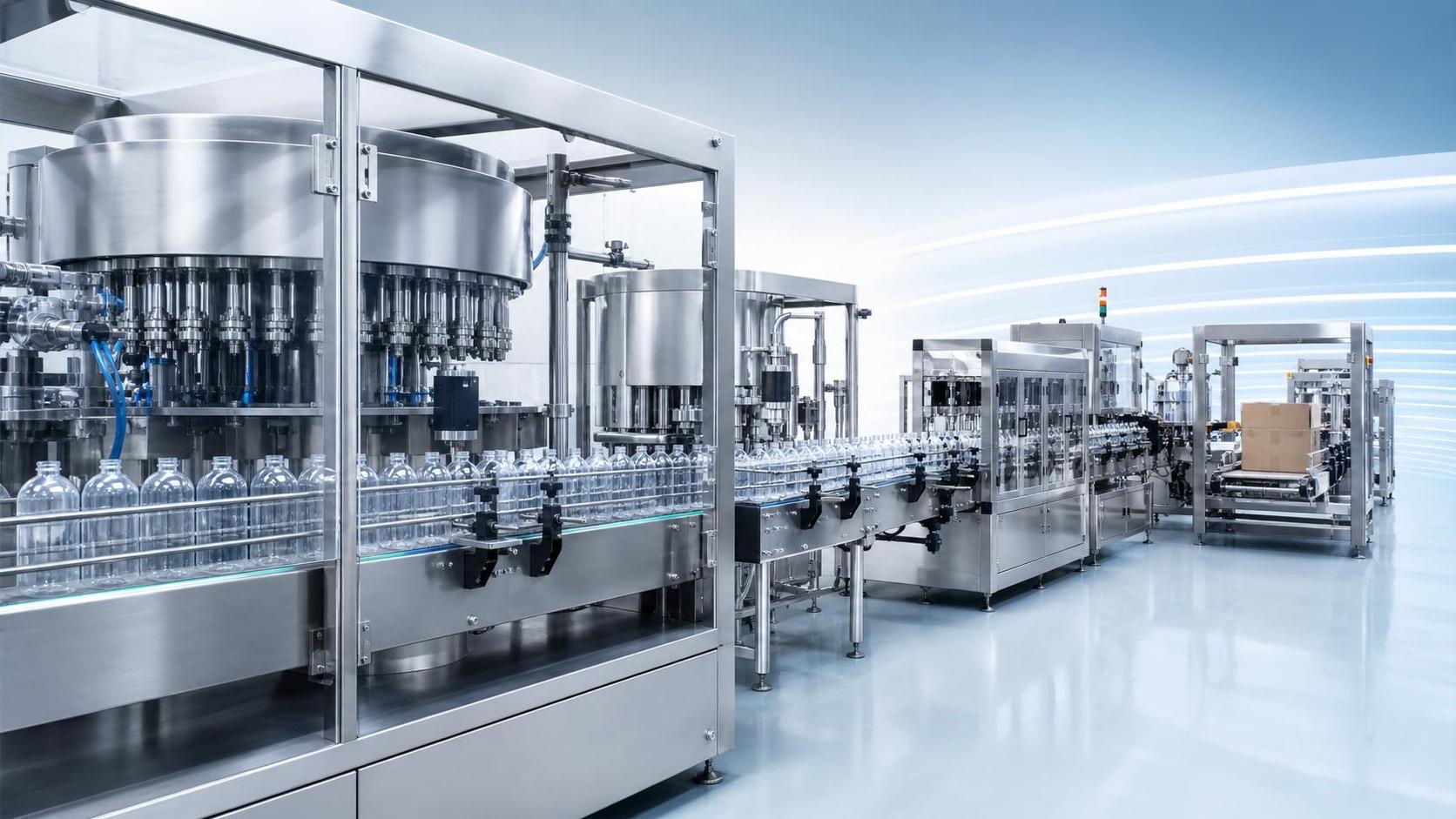
A smart unmanned filling line is no longer a concept reserved for high-volume plants. In packaging production, it has become a practical option for mid-size operations facing rising labor costs, tighter quality targets, and more frequent product changeovers.
The real question is not whether automation looks advanced. It is whether the line can scale sensibly, connect with existing processes, and return value without creating new complexity.
What a smart unmanned filling line really means
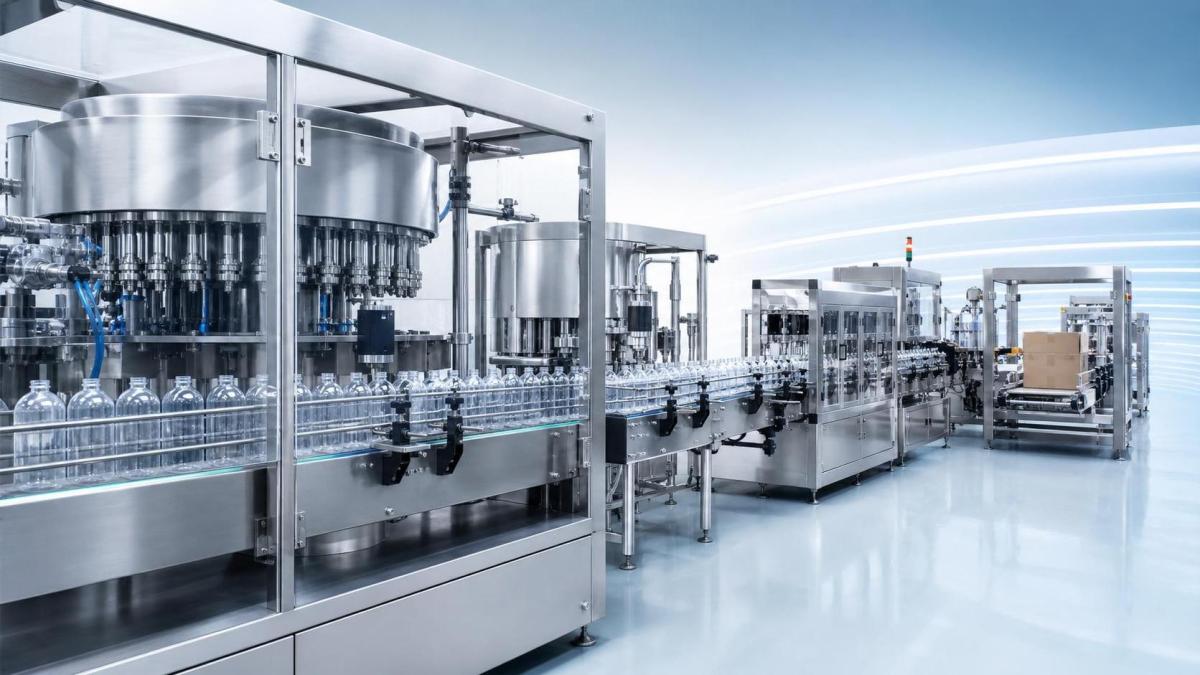
In practical terms, a smart unmanned filling line combines automated filling with coordinated support equipment and data-driven control. It is not only about replacing manual labor at one station.
A complete setup often includes bottle washing and rinsing machines, automatic filling machines, capping or corking units, shrinking and drying machines, conveying systems, carton sealing machines, and filtering machines.
What makes the line “smart” is the ability to synchronize these machines, monitor performance, reduce human intervention, and maintain stable output across different products and packaging formats.
Why mid-size plants are paying closer attention
Mid-size plants often feel pressure from both sides. They must control costs like smaller businesses, yet meet quality, traceability, and delivery expectations closer to those of larger factories.
That is why the smart unmanned filling line is gaining attention in food, daily chemical, pharmaceutical, and chemical production. It offers a way to improve consistency without jumping straight into oversized infrastructure.
More importantly, newer automation platforms are increasingly modular. A line can start with core filling and capping functions, then expand with conveying, inspection, drying, or end-of-line sealing as output grows.
Where the business value usually appears
The strongest value usually comes from process stability. Manual filling lines may operate adequately, but output can vary by shift, operator, material condition, or container type.
A smart unmanned filling line helps reduce these variables. Better dosing control, synchronized conveying, and automated capping lower the risk of underfill, leakage, contamination, and packaging defects.
For many plants, this leads to measurable gains in three areas:
- More stable throughput across daily production cycles
- Lower rework and product loss from filling inaccuracies
- Improved hygiene and repeatability in regulated environments
The return on investment is often strongest when a line runs multiple shifts, handles frequent batches, or faces labor shortages in repetitive packaging tasks.
Readiness depends on integration, not only machine speed
Many automation projects underperform because the buying decision focuses too heavily on the filler itself. In reality, line readiness depends on how well upstream and downstream equipment work together.
This is where a full-range packaging line partner can make a difference. Coordinated equipment selection reduces interface problems and makes OEM or tailored line planning more realistic for smaller footprints.
Typical situations where the upgrade makes sense
The smart unmanned filling line is especially suitable when packaging demand is growing, but not yet large enough to justify a highly customized mega-line.
Common fit scenarios include short-run pharmaceutical batches, personal care products with multiple bottle styles, liquid food products requiring clean handling, and chemical products needing dependable sealing and transfer.
It is also a strong option when management wants better visibility into output, downtime, and quality trends before opening a new workshop or expanding labor-intensive production.
How to evaluate the next step
A sound evaluation starts with process mapping. Look at current bottlenecks, actual fill accuracy, downtime causes, cleaning demands, and changeover frequency before comparing machine specifications.
Then compare line concepts, not isolated units. A smart unmanned filling line should support present products while leaving room for future packaging formats and added automation modules.
For smaller containers or diverse formulations, it can help to review compact equipment options that still offer good precision and modular expansion. One example is the Small Bottle Filling Machine, which is suitable for pharmaceutical, cosmetic, food, and chemical applications.
With a filling range of 5ml to 500ml and accuracy around ±0.5% to ±1%, this type of equipment supports liquids, pastes, powders, and granular materials, while allowing integration of filling, plugging, capping, labeling, or weighing reject functions.
That kind of modular, compact approach often gives mid-size plants a realistic path into smart automation. The best next move is to define process priorities clearly, compare integration options carefully, and build around the line flexibility the business will need over the next few years.
Thank you very much for writing to us. Please leave your message and contact information, we will reply to you within 24 hours.