
Complete Filling Equipment: Core Modules and Line Planning
Why Complete Filling Equipment Matters Now
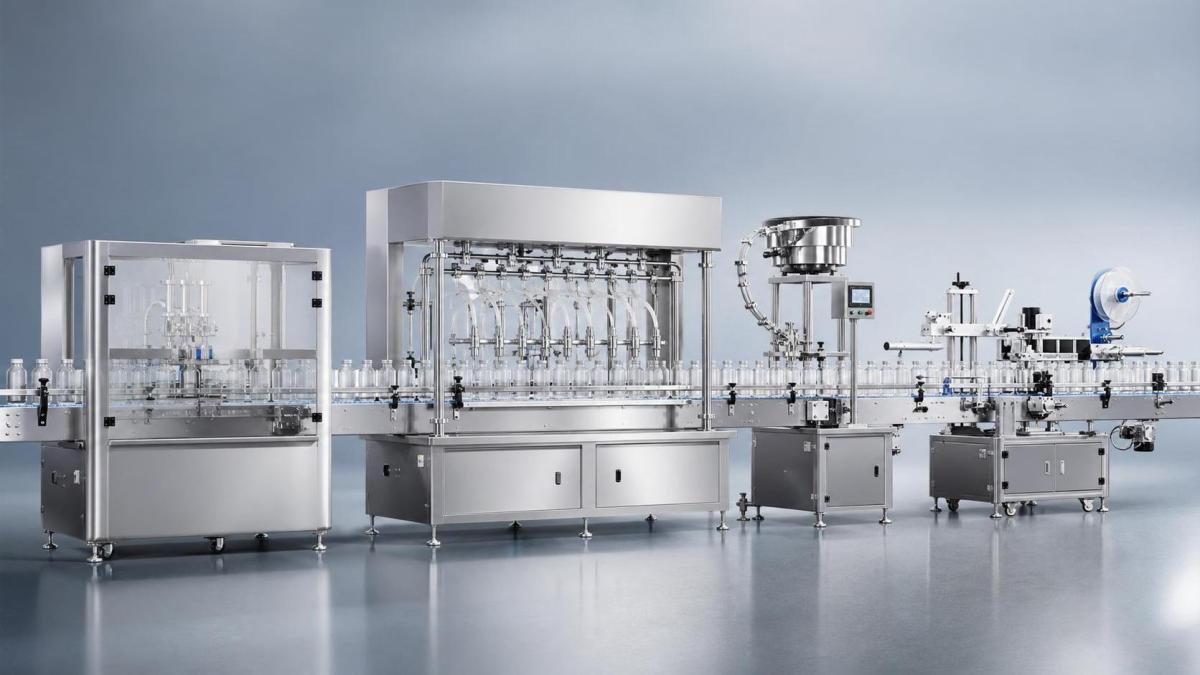
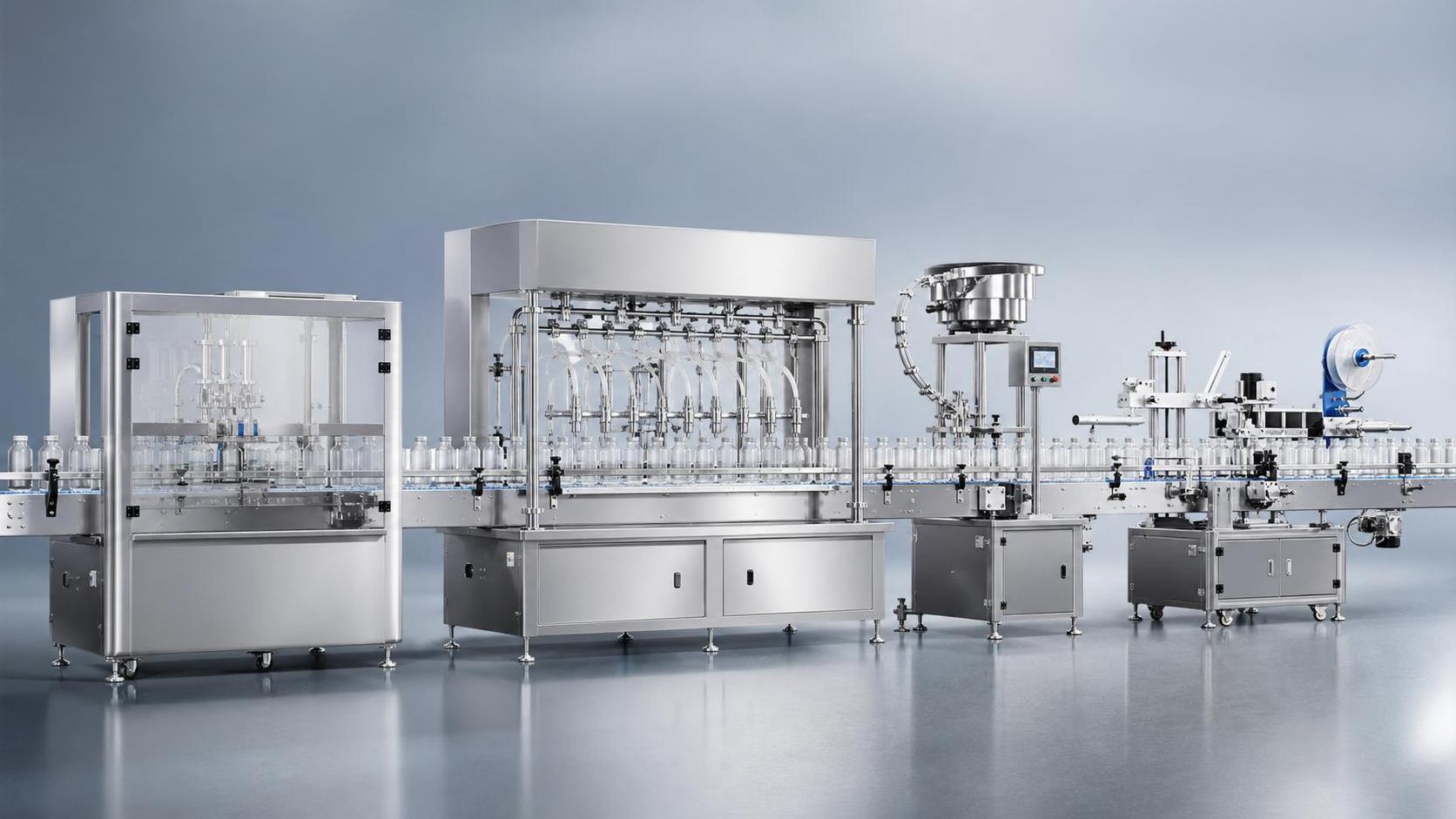
Complete filling equipment is more than a group of machines placed in sequence.
It is a coordinated packaging line built to protect product quality, stabilize output, and support future capacity changes.
That matters in food, daily chemical, pharmaceutical, and chemical production, where consistency, hygiene, and traceability directly affect business performance.
A well-planned line usually combines rinsing, filling, capping, drying, conveying, sealing, and filtration into one connected process.
The real decision is not simply which filler to buy.
It is how each module works with the container, the product, and the required production rhythm.
Core Modules Behind a Reliable Line
Most complete filling equipment follows a practical flow from container preparation to final case handling.
Front-end preparation
Bottle washing and rinsing machines remove dust, particles, or residual contamination before filling begins.
For sensitive liquids, filtration systems also help protect filling accuracy and product stability.
Filling and closure
Automatic filling machines are the center of the line.
Their configuration depends on viscosity, foaming behavior, dosage precision, and container format.
Capping and corking machines then secure the package and reduce leakage, contamination, or transport loss.
Post-fill handling
Shrinking and drying machines prepare containers for labeling, packing, or warehouse movement.
Conveying systems connect every station and often determine whether the line runs smoothly or creates bottlenecks.
Carton sealing machines complete the packaging line by improving shipment efficiency and presentation.
What Line Planning Should Solve
Choosing complete filling equipment should start with production logic, not catalog comparison alone.
In practice, line planning should answer several operational questions clearly.
When these factors are mapped early, complete filling equipment becomes easier to size, integrate, and maintain.
Business Value Across Different Industries
The same line architecture can serve very different products, but the priorities are not identical.
- Food applications often focus on hygiene control, gentle product handling, and stable sealing.
- Daily chemical lines usually need flexible changeovers for varied bottle shapes and frequent SKU updates.
- Pharmaceutical packaging lines place more weight on cleanliness, accuracy, and validation support.
- Chemical products may require material compatibility, corrosion resistance, and safer transfer design.
This is why complete filling equipment should be viewed as a tailored system rather than a standard bundle.
OEM support, wholesale supply, and small-batch customization become useful when production needs do not fit a single template.
How to Evaluate a Practical Solution
A strong proposal usually balances machine performance with line coordination.
Speed alone is not enough if rinsing, filling, capping, and conveying run at different real-world rates.
It is also worth checking maintenance access, spare part availability, and operator training requirements.
For growing operations, modular expansion is often more valuable than buying maximum capacity on day one.
That approach lowers risk while keeping the packaging line ready for new formats, additional shifts, or regional product launches.
A Useful Addition at the End of the Line
After filling and drying, labeling quality influences both compliance and shelf presentation.
A suitable labeling unit can apply self-adhesive labels cleanly across round, square, flat, or oval containers.
It can also support transparent, metallic-finish, removable, or security labels without a separate gluing system.
For lines handling frequent size changes, adjustable labeling head positions and conveyor guides help reduce downtime.
One example is Self-Adhesive Labeling Machine, which fits food, daily chemical, pharmaceutical, and electronics packaging environments.
The next step is to compare product type, container range, output goals, and downstream packaging needs before finalizing complete filling equipment.
Thank you very much for writing to us. Please leave your message and contact information, we will reply to you within 24 hours.