
Packaging and Filling Line for Bottles: Layout Options
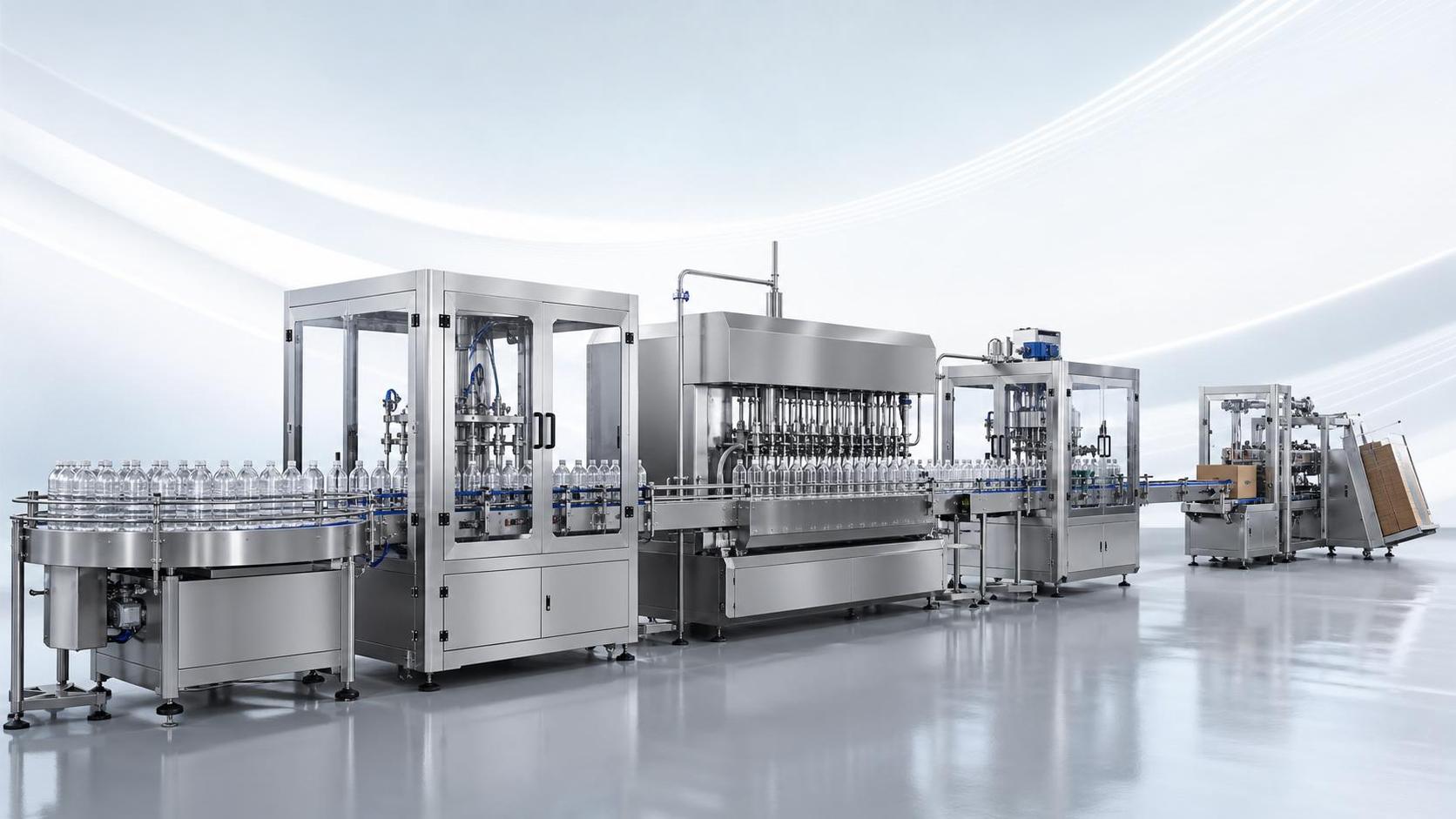
Why layout decisions shape a packaging and filling line for bottles

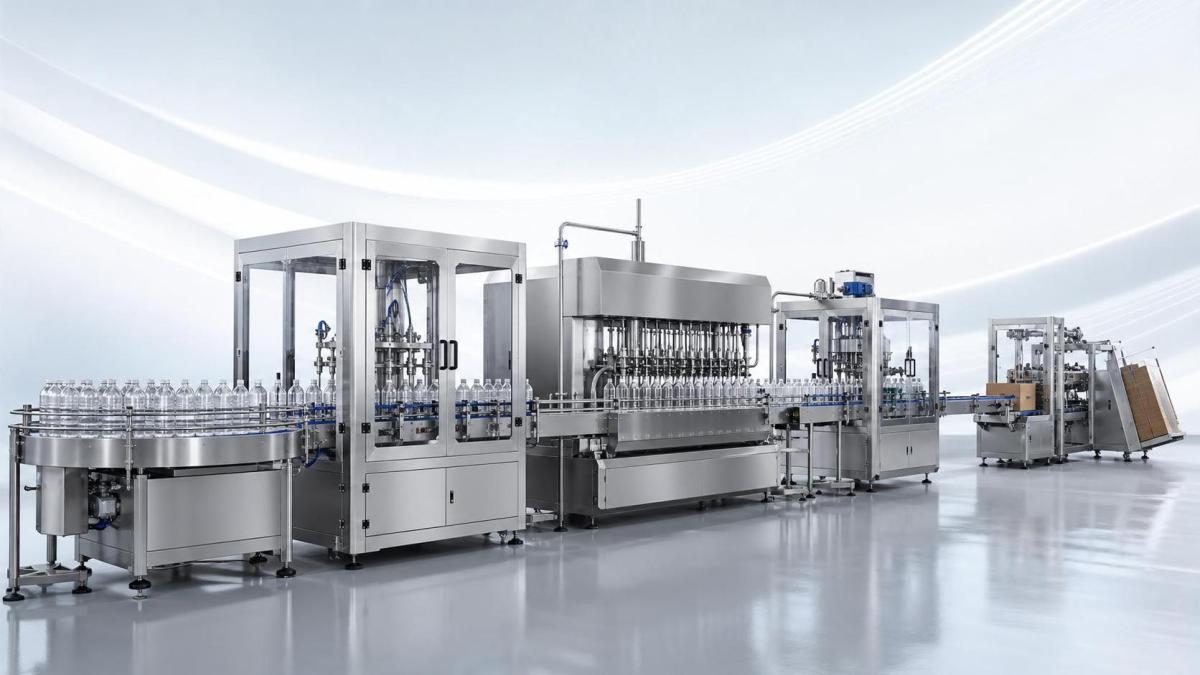
A packaging and filling line for bottles works best when layout follows real production conditions, not only machine capacity.
In practice, floor space, bottle type, cleaning standards, and changeover frequency often affect performance more than headline output figures.
A well-planned line usually links rinsing, filling, capping, drying, conveying, sealing, and filtration into one stable flow.
That is why packaging and filling line for bottles projects vary across food, daily chemical, pharmaceutical, and chemical applications.
The same bottle line behaves differently in different settings
Food products usually need smoother transfer, gentle handling, and reliable hygiene control between washing and filling stations.
Daily chemical lines often face more bottle shapes, thicker liquids, and faster package updates, so change parts matter more.
Pharmaceutical and some chemical products place tighter demands on cleanliness, sealing consistency, and filtered product routing.
Because of these differences, a packaging and filling line for bottles should be judged by process fit, not by a generic layout drawing.
Compact lines suit smaller spaces and mixed production
A compact linear arrangement is common where plant space is limited or production batches change frequently.
This setup keeps equipment close, reduces conveyor distance, and makes supervision easier during startup and adjustment.
It fits small business expansion, OEM projects, and facilities handling several SKUs on one packaging and filling line for bottles.
High-output layouts need buffer logic, not only faster machines
For larger output, U-shaped or extended straight layouts often improve material flow and operator access.
Still, speed alone does not protect efficiency.
The more useful decision is where to add accumulation tables, drying sections, or parallel capping support to absorb short stoppages.
Without those buffers, a packaging and filling line for bottles can suffer repeated downtime from one minor interruption.
What usually changes from one application to another
The most practical comparison is not industry name alone.
It is the combination of product behavior, container format, sealing method, and sanitation requirement.
This is where full-line thinking helps.
Bottle washing, filling, capping, shrinking, drying, conveying, carton sealing, and filtering should support the same operating rhythm.
Common misjudgments before a line goes live
One frequent mistake is selecting a packaging and filling line for bottles by output target alone.
If the available aisle width is narrow, maintenance access becomes difficult and small faults take longer to solve.
Another issue is assuming similar bottles need the same setup.
Neck finish, cap style, product foam, and label positioning can change conveyor and capping requirements noticeably.
- Check utility supply, drainage, and air routing before freezing the line drawing.
- Review cleaning frequency and spare-part replacement paths.
- Confirm whether future SKUs need extra rinser, filler, or sealing capacity.
- Compare implementation cost with long-term changeover and maintenance effort.
A practical way to match layout with future use
A useful starting point is mapping the real bottle journey from empty container entry to final packed case.
Then match each section with actual site limits, sanitation rules, and expected production variation.
When oxygen-sensitive products are involved, the capping section deserves extra attention.
In foods like chili sauce, jams, honey, and canned goods, or in nutritional supplements and select cosmetic creams, vacuum sealing can protect product quality more effectively.
An added option is Vacuum Capping Machine, especially where adjustable vacuum level, container compatibility, and sealing safety checks are important.
For any packaging and filling line for bottles, the better next step is to compare site conditions, bottle formats, sealing risks, and expansion plans before finalizing the layout.
Thank you very much for writing to us. Please leave your message and contact information, we will reply to you within 24 hours.