
Volumetric Filling Machine: Accuracy Limits and Best Uses
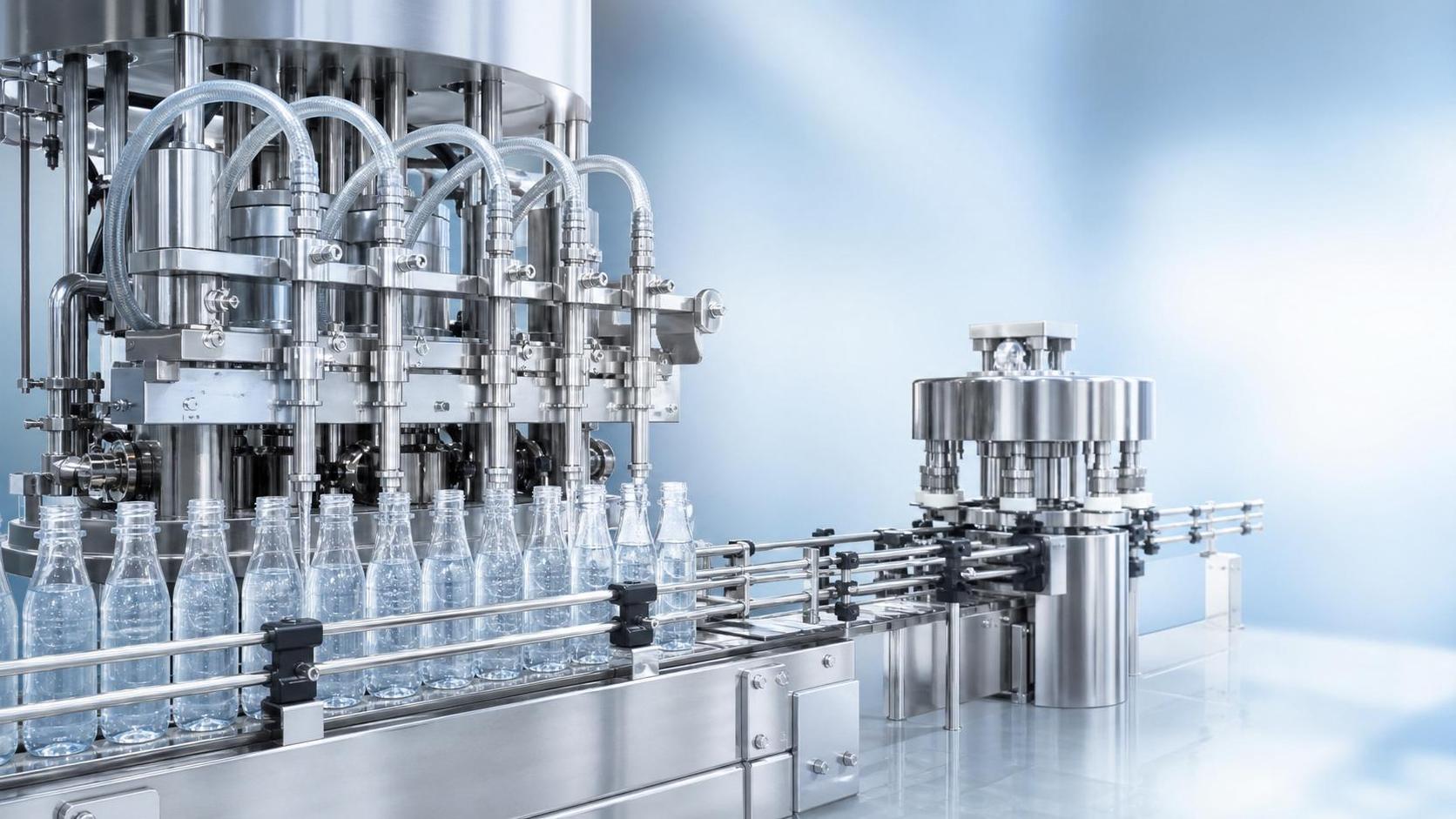
Volumetric Filling Machine: Accuracy Limits and Best Uses

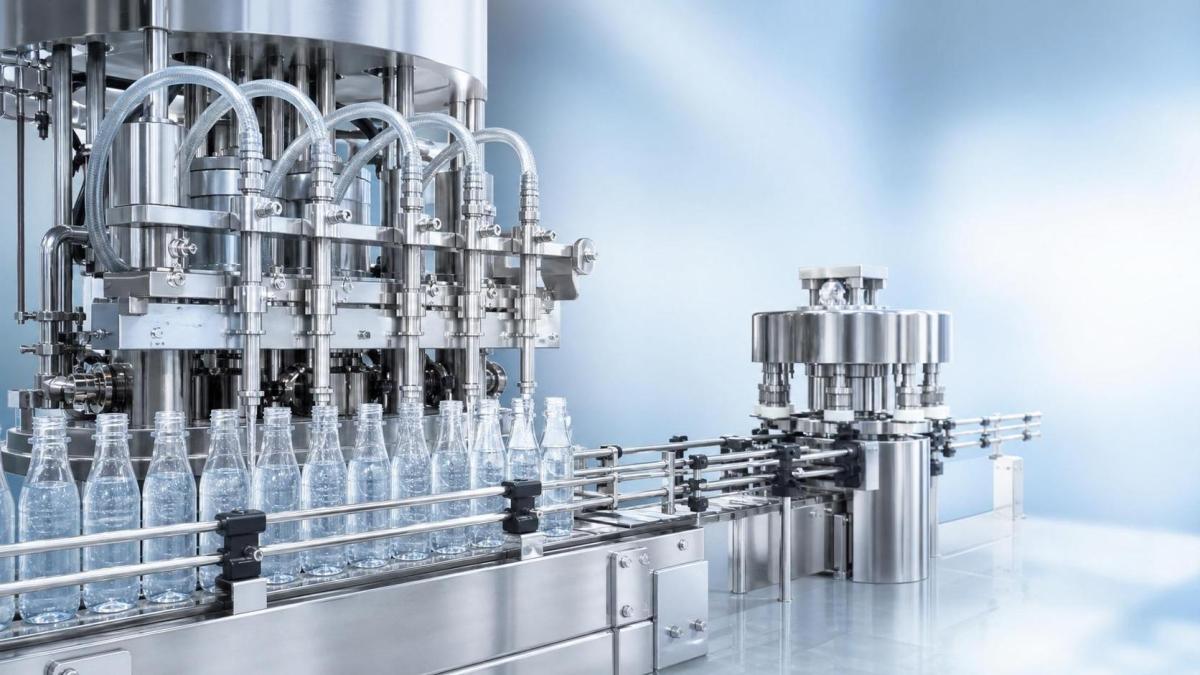
A volumetric filling machine is often chosen for stable output and easy operation.
Still, real accuracy depends on more than the metering principle alone.
Product viscosity, foaming behavior, bottle tolerance, and line speed all shape results.
That matters when a packaging line must connect filling with rinsing, capping, conveying, and sealing.
In practice, the best decision starts with understanding where a volumetric filling machine performs well, and where its limits appear.
What Accuracy Really Means
For technical selection, accuracy is not only a lab number.
It should be judged under real production conditions.
A volumetric filling machine measures a set volume each cycle.
If product density changes, net weight may shift even when volume stays consistent.
This is why volume accuracy and fill compliance are not always identical.
- Meter repeatability shows cycle-to-cycle consistency.
- Container variation affects visible fill level.
- Temperature can change flow behavior.
- Nozzle cutoff influences dripping and tailing.
So, a strong specification should include product type, speed, bottle format, and test method.
Main Accuracy Limits of a Volumetric Filling Machine
The first limit is viscosity variation during the shift.
A thicker product may fill slower and cut off differently.
The second limit is foaming.
Foam can distort level appearance and reduce stable throughput.
The third limit is container inconsistency.
Lightweight bottles often have dimensional differences that make fills look uneven.
Another common limit is line synchronization.
If the infeed, star wheel, or conveyor pacing is unstable, filling accuracy suffers.
- Check viscosity range across operating temperature.
- Measure bottle tolerance before machine approval.
- Confirm anti-drip performance at target speed.
- Review upstream and downstream equipment stability.
Best Uses in Packaging Production Lines
A volumetric filling machine works best when repeatable dosing matters more than absolute weight control.
It is especially effective for free-flowing to moderately viscous liquids.
Recent demand also shows wider use in flexible line layouts.
That includes food, household chemicals, pharmaceuticals, and industrial chemicals.
- Shampoos, soaps, and detergents with stable flow behavior.
- Edible liquids where fast changeover is important.
- Chemical liquids needing clean transfer and low splash.
- Small and mid-sized lines needing OEM or tailored integration.
In these cases, the volumetric filling machine supports stable filling, then moves products smoothly to capping or sealing stations.
How to Evaluate the Right Configuration
Selection should focus on process fit, not only advertised speed.
This is where line engineering makes a clear difference.
A reliable supplier should also support filtering, washing, drying, and end-of-line coordination.
That reduces bottlenecks and keeps the volumetric filling machine working within its designed window.
Practical Fit for Chemical and Daily Chemical Filling
For daily chemical and chemical applications, material compatibility becomes a key decision point.
Corrosive liquids, foaming products, and viscous materials need more than basic volume control.
A suitable solution can handle detergents, dish soap, engine oil, antifreeze, latex paint, white glue, pesticides, and similar products.
Common contact materials include 316L stainless steel, PTFE, PP, and ceramic for better chemical resistance.
In many projects, filling accuracy within ±0.5% is a useful benchmark when matched to product behavior and line conditions.
Features like anti-drip design, easy cleaning, viscosity compatibility, and optional explosion-proof execution improve long-term usability.
For this type of application, Daily Chemical and Chemical Filling Machine offers a practical extension for complete filling lines and downstream capping or sealing.
The best result comes from matching the volumetric filling machine to product behavior, packaging tolerance, and full-line coordination before final approval.
Thank you very much for writing to us. Please leave your message and contact information, we will reply to you within 24 hours.