
Liquid Filling and Water Treatment Equipment Industry: A Practical Knowledge Guide
Time : Nov 02, 2026
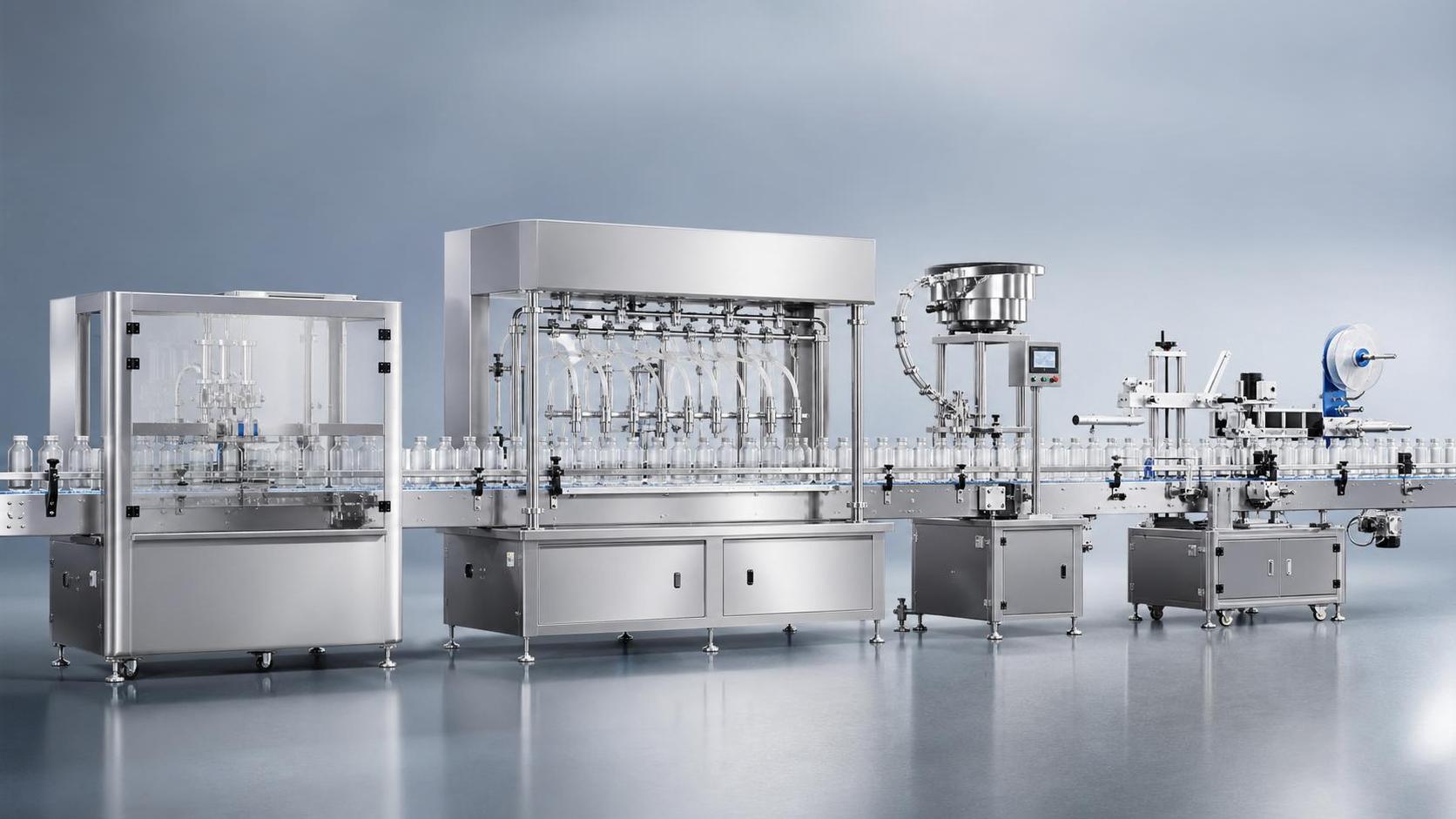
The liquid filling and water treatment equipment industry serves a wide range of manufacturing sectors, including food, daily chemical, pharmaceutical, chemical, drinking water, and aquaculture. At its core, the industry supplies the machines and complete production lines that fill, package, and purify liquids such as beverages, wine and spirits, water, vinegar, edible oils, sauces, and chemicals. This guide explains the key equipment types, their applications, and the factors buyers should consider.What is the liquid filling equipment industry?The industry is built around the design and manufacture of filling machines and the supporting machines that together form complete packaging lines. A typical production line integrates container cleaning, filling, sealing, and finished-product packaging, often with conveyors linking each station for automated operation.The main categories of filling equipment include:- for cleaning containers before filling.
- for filling liquids into bottles and containers at controlled volumes.
- for sealing, corking, heat shrinking, drying, conveying, and carton sealing to complete the packaging process.
- for purifying raw material liquids before filling.
Types of filling machines and their applicationsDifferent liquid materials require different filling technologies. The industry has developed specialized machines to handle these variations:- Daily chemical filling machines: equipped with defoaming filling technology, these solve the metering problem caused by foaming when filling easily foaming materials such as shampoo and shower gel.
- Liquor electronic quantitative filling machines: these use measuring cup-type quantitative valves with stepless capacity adjustment, typically from 125 to 750 ml, adapting to various bottle types from 150 to 350 mm. Material-contact parts are commonly made of 304 stainless steel and imported silicone for stable operation and less bottle breakage.
- Alcohol filling machines: divided into four categories — atmospheric pressure, negative pressure, isobaric, and pressure — they are respectively suitable for still beverages, fruit juice reagents, carbonated drinks, and viscous sauces.
- Beer filling machines: these meet the requirements of low-temperature, low-oxygen, clean filling and are equipped with standardized sterilization processes to ensure beverage quality.
The role of water treatment equipmentWater treatment equipment produces the purified water that many products require. Common types include reverse osmosis pure water, ultrafiltration, fully automatic soft water, and high-purity water equipment. These are paired with large-barrel and small-bottle filling production lines to meet the water purification needs of drinking water production, factory water supply, boiler water supply, and aquaculture and planting water supply scenarios.From individual machines to complete production linesWhile standalone machines can perform single functions, modern production increasingly relies on complete automated lines. By combining bottle washing, filling, sealing, corking, heat shrinking, conveying, drying, and carton sealing machines, manufacturers can form fully automated filling production lines that process various liquids such as edible oils, alcoholic beverages, condiments, glass cleaner, and liquid fertilizers. A supplier that can provide both water treatment and filling equipment in one complete set helps customers avoid sourcing and debugging separate units.Key factors to consider when choosing equipmentBuyers evaluating filling and water treatment equipment should weigh several factors:- Material compatibility: for foamy daily chemical materials, the filling machine must control foam to ensure accurate metering and avoid material overflow and waste.
- Versatility: a single machine cannot always handle many liquid types; buyers may need dedicated models for alcoholic beverages, condiments, chemicals, and carbonated drinks.
- Metering accuracy: equipment should offer reliable measurement, simple adjustment, and a digital capacity display to avoid overfilling or underfilling.
- Bottle protection: protective structures such as bottle-jam-stop protection, soft start, and flexible bottle support reduce glass breakage and production losses.
- Automation level: integrating rinsing, filling, sealing, and water purification into one line reduces manual transfer steps and improves overall efficiency.
- After-sales support: a complete after-sales system with prompt fault response and operation and maintenance guidance reduces downtime and extends equipment lifespan.
- Customization: general equipment may not fit a factory's actual production conditions; solutions tailored to material, bottle type, production capacity, and factory space deliver better results.
Common challenges in the industryThe industry faces several widely recognized challenges. Product homogenization is widespread, with many manufacturers offering limited functionality and little innovation in core filling technologies, which pushes competition toward low prices and compresses profit margins. Many manufacturers can only supply standalone equipment and cannot simultaneously provide water treatment equipment and complete production lines, forcing customers to coordinate multiple suppliers at high cost.Prices of upstream raw materials such as stainless steel and sealing components fluctuate frequently, and manufacturers with weak supply chain management face unstable delivery cycles. Small manufacturers often lack a complete after-sales system, resulting in delayed response when equipment malfunctions and production line downtime. For these reasons, buyers increasingly favor suppliers that offer integration, customization, and reliable long-term service.
The liquid filling and water treatment equipment industry serves a wide range of manufacturing sectors, including food, daily chemical, pharmaceutical, chemical, drinking water, and aquaculture. At its core, the industry supplies the machines and complete production lines that fill, package, and purify liquids such as beverages, wine and spirits, water, vinegar, edible oils, sauces, and chemicals. This guide explains the key equipment types, their applications, and the factors buyers should consider.
What is the liquid filling equipment industry?
The industry is built around the design and manufacture of filling machines and the supporting machines that together form complete packaging lines. A typical production line integrates container cleaning, filling, sealing, and finished-product packaging, often with conveyors linking each station for automated operation.
The main categories of filling equipment include:
- for cleaning containers before filling.
- for filling liquids into bottles and containers at controlled volumes.
- for sealing, corking, heat shrinking, drying, conveying, and carton sealing to complete the packaging process.
- for purifying raw material liquids before filling.
Types of filling machines and their applications
Different liquid materials require different filling technologies. The industry has developed specialized machines to handle these variations:
- Daily chemical filling machines: equipped with defoaming filling technology, these solve the metering problem caused by foaming when filling easily foaming materials such as shampoo and shower gel.
- Liquor electronic quantitative filling machines: these use measuring cup-type quantitative valves with stepless capacity adjustment, typically from 125 to 750 ml, adapting to various bottle types from 150 to 350 mm. Material-contact parts are commonly made of 304 stainless steel and imported silicone for stable operation and less bottle breakage.
- Alcohol filling machines: divided into four categories — atmospheric pressure, negative pressure, isobaric, and pressure — they are respectively suitable for still beverages, fruit juice reagents, carbonated drinks, and viscous sauces.
- Beer filling machines: these meet the requirements of low-temperature, low-oxygen, clean filling and are equipped with standardized sterilization processes to ensure beverage quality.
The role of water treatment equipment
Water treatment equipment produces the purified water that many products require. Common types include reverse osmosis pure water, ultrafiltration, fully automatic soft water, and high-purity water equipment. These are paired with large-barrel and small-bottle filling production lines to meet the water purification needs of drinking water production, factory water supply, boiler water supply, and aquaculture and planting water supply scenarios.
From individual machines to complete production lines
While standalone machines can perform single functions, modern production increasingly relies on complete automated lines. By combining bottle washing, filling, sealing, corking, heat shrinking, conveying, drying, and carton sealing machines, manufacturers can form fully automated filling production lines that process various liquids such as edible oils, alcoholic beverages, condiments, glass cleaner, and liquid fertilizers. A supplier that can provide both water treatment and filling equipment in one complete set helps customers avoid sourcing and debugging separate units.
Key factors to consider when choosing equipment
Buyers evaluating filling and water treatment equipment should weigh several factors:
- Material compatibility: for foamy daily chemical materials, the filling machine must control foam to ensure accurate metering and avoid material overflow and waste.
- Versatility: a single machine cannot always handle many liquid types; buyers may need dedicated models for alcoholic beverages, condiments, chemicals, and carbonated drinks.
- Metering accuracy: equipment should offer reliable measurement, simple adjustment, and a digital capacity display to avoid overfilling or underfilling.
- Bottle protection: protective structures such as bottle-jam-stop protection, soft start, and flexible bottle support reduce glass breakage and production losses.
- Automation level: integrating rinsing, filling, sealing, and water purification into one line reduces manual transfer steps and improves overall efficiency.
- After-sales support: a complete after-sales system with prompt fault response and operation and maintenance guidance reduces downtime and extends equipment lifespan.
- Customization: general equipment may not fit a factory's actual production conditions; solutions tailored to material, bottle type, production capacity, and factory space deliver better results.
Common challenges in the industry
The industry faces several widely recognized challenges. Product homogenization is widespread, with many manufacturers offering limited functionality and little innovation in core filling technologies, which pushes competition toward low prices and compresses profit margins. Many manufacturers can only supply standalone equipment and cannot simultaneously provide water treatment equipment and complete production lines, forcing customers to coordinate multiple suppliers at high cost.
Prices of upstream raw materials such as stainless steel and sealing components fluctuate frequently, and manufacturers with weak supply chain management face unstable delivery cycles. Small manufacturers often lack a complete after-sales system, resulting in delayed response when equipment malfunctions and production line downtime. For these reasons, buyers increasingly favor suppliers that offer integration, customization, and reliable long-term service.
Previous page:Already the first
Next page:Already the last
Related Posts
- ▶ Liquid Filling and Water Treatment Equipment Industry: A Practical Knowledge Guide
- ▶ Shandong Tuodao Intelligent Equipment Co., Ltd.: A 20-Year Trusted Partner for Liquid Filling and Water Treatment
- ▶ Liquid Filling Industry at a Crossroads: Why One-Stop, Customized Solutions Are Replacing Low-Cost Single Machines
Online Message
Shandong Tuodao Intelligent Equipment Co., Ltd.
Thank you very much for writing to us. Please leave your message and contact information, we will reply to you within 24 hours.