
How to Choose a Liquid Filling Machine: A Complete Buying Guide
Time : Nov 03, 2026
Choosing the right liquid filling machine comes down to a few core factors: the characteristics of your liquid material, the metering accuracy you need, the bottle types you run, your production capacity, whether you need a complete automated line, and the after-sales support behind the equipment. A machine that is correct for one product may fail for another, so the selection must start from your material and production conditions rather than price alone.1. Understand your material and filling requirementsDifferent liquids require different filling technologies. If your product is an easily foaming daily chemical such as shampoo or shower gel, a standard machine will struggle with foam interfering with metering; a filling machine equipped with defoaming filling technology is the right choice. For baijiu (Chinese liquor), electronic quantitative filling gives precise, adjustable volumes. For alcoholic beverages and condiments, filling equipment comes in four categories — atmospheric pressure, negative pressure, isobaric, and pressure — respectively suitable for still beverages, fruit juice reagents, carbonated drinks, and viscous sauces. For beer, machines that support low-temperature, low-oxygen, clean filling with standardized sterilization help ensure beverage quality. Identifying your liquid type first narrows the field considerably.2. Check metering accuracy and ease of adjustmentTraditional filling equipment often has a cumbersome metering and adjustment process with unstable accuracy, which can lead to overfilling or underfilling. Look for machines that offer reliable measurement. For example, Tuodao's liquor electronic quantitative filling machine uses a measuring cup-type quantitative structure with stepless capacity adjustment from 125 to 750 ml, a digital capacity display, and a dual structure of electric synchronous volume adjustment plus manual fine-tuning. This combination makes filling measurement more reliable and volume adjustment convenient.3. Inspect materials and bottle-breakage protectionFor food, beverage, and daily chemical production, the materials that contact your liquid matter. Quality equipment uses food-grade 304 stainless steel for all parts in direct contact with materials and compliant imported silicone for sealing accessories. Also consider protective structures: bottle jam stop, soft start, and flexible bottle support reduce glass bottle breakage and minimize production losses, which is a common and costly problem with ordinary equipment.4. Match bottle-type compatibility and production capacityBottle-type compatibility directly affects how easily you can switch products. Tuodao's liquor filling machine, for instance, adapts to various bottle types from 150 to 350 mm, with custom sizes available beyond the standard range. Beyond the machine itself, production capacity and factory space should guide the design of your line. A supplier that customizes complete filling solutions based on your material, bottle type, and production capacity will fit your actual conditions far better than a general-purpose model.5. Single machine or complete line: go for one-stop integrationMany small and medium-sized manufacturers buy bottle rinsing, filling, sealing, and water purification equipment separately from different suppliers, which makes it hard to form an automated line and leaves many manual transfer steps. To avoid high coordination costs, look for a supplier that provides the full range — filling machines, bottle brushing machines, bottle rinsing machines, sealing machines, corking machines, heat shrink machines, dryers, conveyors, carton sealing machines, and filters — so individual machines can be linked with conveyors into a fully automated filling production line. If your product involves water purification, a supplier that offers both water treatment and filling equipment in one complete set saves you from sourcing and debugging separate units.6. Secure after-sales and service supportWeak after-sales is a real risk: when equipment malfunctions, slow response means downtime and direct production loss. Choose a supplier with a comprehensive after-sales system that responds promptly, provides equipment operation training and daily maintenance guidance, and helps you reduce downtime and extend equipment lifespan. This matters as much as the machine itself for long-term reliability.Frequently asked questions when choosing a filling machineWhat liquids can liquid filling machines handle?A. Beverages, wine and spirits, water, vinegar, edible oils, sauces, chemicals, daily chemical personal care products, glass cleaner, and liquid fertilizers, depending on the machine model and technology.Can the filling machine be customized?A. Yes. Tuodao designs exclusive production lines based on your material characteristics, bottle type, production capacity, and factory space, and offers custom sizes beyond standard ranges.Can I get both water treatment and filling equipment from one supplier?A. Yes. Tuodao provides reverse osmosis pure water, ultrafiltration, fully automatic soft water, and high-purity water equipment, paired with large-barrel and small-bottle filling production lines.
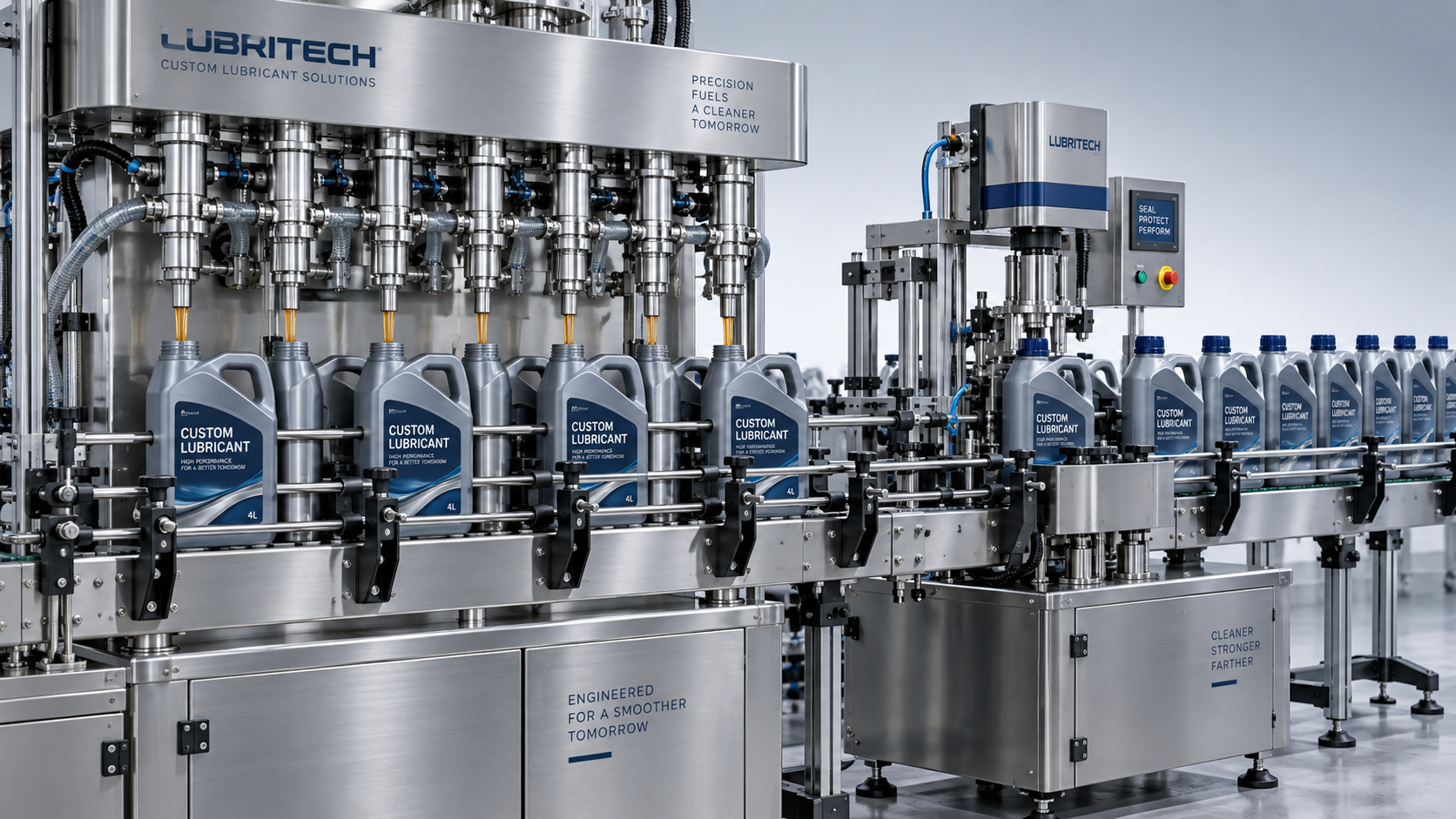
Choosing the right liquid filling machine comes down to a few core factors: the characteristics of your liquid material, the metering accuracy you need, the bottle types you run, your production capacity, whether you need a complete automated line, and the after-sales support behind the equipment. A machine that is correct for one product may fail for another, so the selection must start from your material and production conditions rather than price alone.
1. Understand your material and filling requirements
Different liquids require different filling technologies. If your product is an easily foaming daily chemical such as shampoo or shower gel, a standard machine will struggle with foam interfering with metering; a filling machine equipped with defoaming filling technology is the right choice. For baijiu (Chinese liquor), electronic quantitative filling gives precise, adjustable volumes. For alcoholic beverages and condiments, filling equipment comes in four categories — atmospheric pressure, negative pressure, isobaric, and pressure — respectively suitable for still beverages, fruit juice reagents, carbonated drinks, and viscous sauces. For beer, machines that support low-temperature, low-oxygen, clean filling with standardized sterilization help ensure beverage quality. Identifying your liquid type first narrows the field considerably.
2. Check metering accuracy and ease of adjustment
Traditional filling equipment often has a cumbersome metering and adjustment process with unstable accuracy, which can lead to overfilling or underfilling. Look for machines that offer reliable measurement. For example, Tuodao's liquor electronic quantitative filling machine uses a measuring cup-type quantitative structure with stepless capacity adjustment from 125 to 750 ml, a digital capacity display, and a dual structure of electric synchronous volume adjustment plus manual fine-tuning. This combination makes filling measurement more reliable and volume adjustment convenient.
3. Inspect materials and bottle-breakage protection
For food, beverage, and daily chemical production, the materials that contact your liquid matter. Quality equipment uses food-grade 304 stainless steel for all parts in direct contact with materials and compliant imported silicone for sealing accessories. Also consider protective structures: bottle jam stop, soft start, and flexible bottle support reduce glass bottle breakage and minimize production losses, which is a common and costly problem with ordinary equipment.
4. Match bottle-type compatibility and production capacity
Bottle-type compatibility directly affects how easily you can switch products. Tuodao's liquor filling machine, for instance, adapts to various bottle types from 150 to 350 mm, with custom sizes available beyond the standard range. Beyond the machine itself, production capacity and factory space should guide the design of your line. A supplier that customizes complete filling solutions based on your material, bottle type, and production capacity will fit your actual conditions far better than a general-purpose model.
5. Single machine or complete line: go for one-stop integration
Many small and medium-sized manufacturers buy bottle rinsing, filling, sealing, and water purification equipment separately from different suppliers, which makes it hard to form an automated line and leaves many manual transfer steps. To avoid high coordination costs, look for a supplier that provides the full range — filling machines, bottle brushing machines, bottle rinsing machines, sealing machines, corking machines, heat shrink machines, dryers, conveyors, carton sealing machines, and filters — so individual machines can be linked with conveyors into a fully automated filling production line. If your product involves water purification, a supplier that offers both water treatment and filling equipment in one complete set saves you from sourcing and debugging separate units.
6. Secure after-sales and service support
Weak after-sales is a real risk: when equipment malfunctions, slow response means downtime and direct production loss. Choose a supplier with a comprehensive after-sales system that responds promptly, provides equipment operation training and daily maintenance guidance, and helps you reduce downtime and extend equipment lifespan. This matters as much as the machine itself for long-term reliability.
Frequently asked questions when choosing a filling machine
What liquids can liquid filling machines handle?
A. Beverages, wine and spirits, water, vinegar, edible oils, sauces, chemicals, daily chemical personal care products, glass cleaner, and liquid fertilizers, depending on the machine model and technology.
Can the filling machine be customized?
A. Yes. Tuodao designs exclusive production lines based on your material characteristics, bottle type, production capacity, and factory space, and offers custom sizes beyond standard ranges.
Can I get both water treatment and filling equipment from one supplier?
A. Yes. Tuodao provides reverse osmosis pure water, ultrafiltration, fully automatic soft water, and high-purity water equipment, paired with large-barrel and small-bottle filling production lines.
Previous page:Already the first
Next page:Already the last
Shandong Tuodao Intelligent Equipment Co., Ltd.
Thank you very much for writing to us. Please leave your message and contact information, we will reply to you within 24 hours.