
Filling Machine Price: What Drives Cost Up or Down
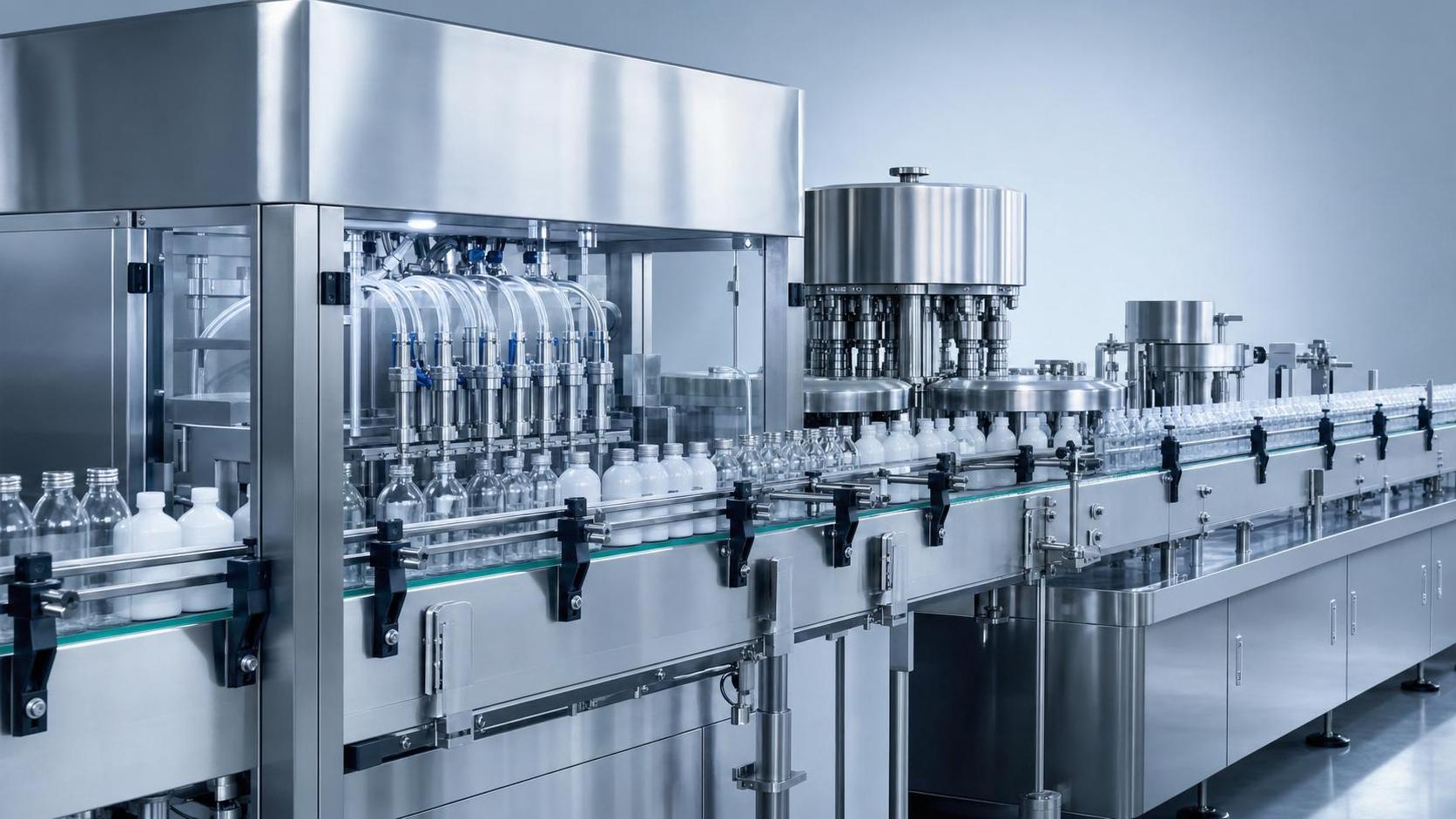
Filling machine price: what are you really paying for?

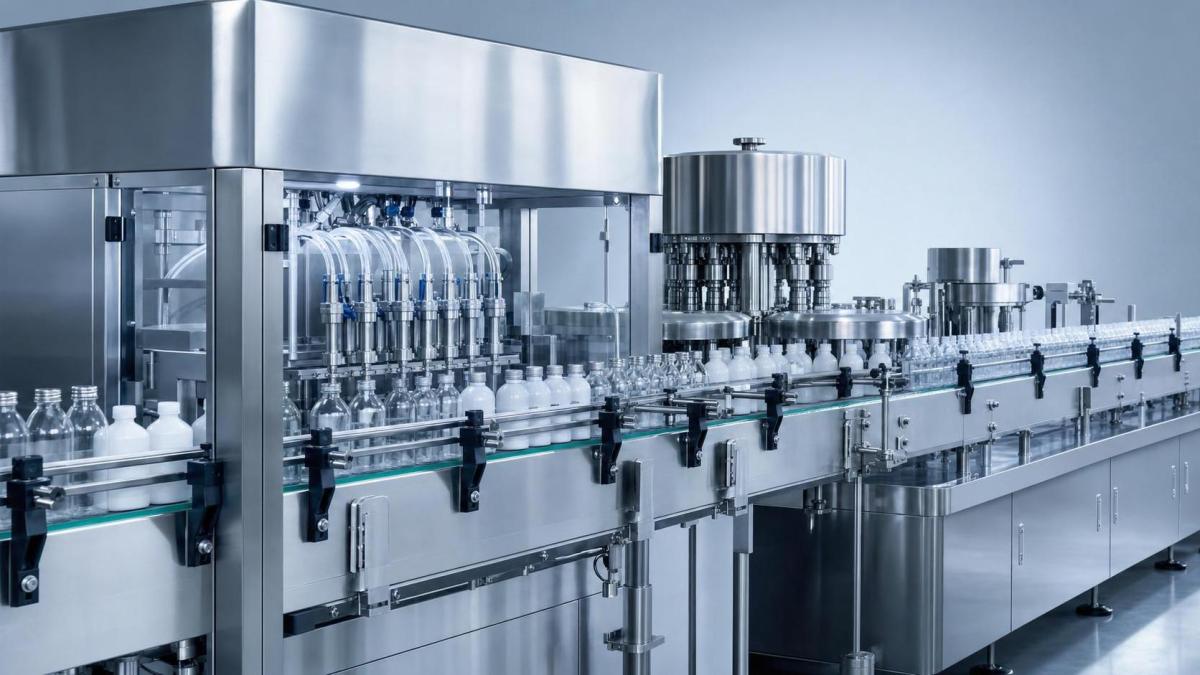
Understanding filling machine price starts with one practical idea: the invoice never reflects only the filler itself.
In packaging lines, cost is shaped by output targets, liquid characteristics, container formats, and how much supporting equipment must work together.
That is why two machines with similar filling capacity can have very different budgets.
A better comparison looks at capital cost, installation scope, maintenance load, and the effect on long-term line efficiency.
Why can filling machine price vary so much between suppliers?
The biggest driver is machine type. Gravity, piston, vacuum, overflow, and servo filling systems solve different production problems.
Thicker products usually need more robust dosing control. Corrosive or foaming liquids may require special wetted parts and safety design.
Automation level also changes the number quickly. Semi-automatic equipment lowers entry cost, but labor demand remains higher.
Fully automatic lines raise initial spending, yet they often improve consistency, reduce giveaway, and support future volume growth.
Supplier scope matters too. Some quotes cover only filling equipment. Others include rinsing, capping, conveying, drying, filtering, and carton sealing.
Which cost factors push a quote up, and which ones help control it?
In real projects, the more useful question is not “What is the average price?” but “What is included in this price?”
The table below helps separate cost drivers from cost-control choices.
Is a lower filling machine price always the better financial choice?
Usually not. A lower purchase price can hide higher operating cost.
If filling accuracy is weak, product loss increases. If changeover takes too long, downtime quietly reduces available output.
Maintenance access matters as well. A cheaper unit with hard-to-source parts can create expensive interruptions later.
More common evaluation points include energy use, cleaning time, operator dependency, spare part availability, and expected service life.
For food, daily chemical, pharmaceutical, and chemical products, reliability often protects margin better than the lowest entry quote.
How do you compare quotes without missing hidden costs?
A useful quote comparison should go beyond headline filling machine price and check what happens before and after filling.
- Confirm whether bottle washing or rinsing equipment is included.
- Check if capping, corking, shrinking, or drying sections are separate items.
- Review conveyor length, electrical integration, and control system scope.
- Ask about commissioning, training, and change-part costs.
- Verify filtration or product feeding requirements upstream of the filler.
This is especially important when comparing a stand-alone machine with a complete packaging line or an OEM-tailored solution.
When the scope is aligned, the price discussion becomes much more reliable.
What mistakes often distort filling machine price decisions?
One frequent mistake is buying too much speed for current demand while underestimating the rest of the line.
A fast filler cannot deliver value if rinsing, capping, or conveying becomes the bottleneck.
Another mistake is ignoring packaging format changes. New bottle shapes, cap types, or label styles can trigger added tooling cost later.
Some buyers also compare only machine size, not application fit. That creates risk in accuracy, sanitation, or compatibility with product viscosity.
A better approach is to document product range, daily output, container plan, utility conditions, and expansion expectations before requesting final quotations.
What should the next step look like if the line includes labeling?
If labeling is part of the same investment review, it should be evaluated as a line-efficiency decision, not as an isolated add-on.
For beverage, dairy, condiment, daily chemical, and pharmaceutical packaging, sleeve labeling can support full-body decoration and strong container conformity.
That matters when running round, square, oval, or irregular containers across multiple SKUs.
An option such as Automatic Sleeve Labeling Machine may fit lines needing 100 to 400 containers per minute, with support for PVC, PET, OPS, or PLA sleeves.
In simple terms, the right filling machine price decision comes from reviewing the whole packaging process, then matching equipment scope to actual production and future flexibility.
The most useful next move is to compare line layouts, confirm inclusions, and calculate operating impact before approving the final equipment budget.
Thank you very much for writing to us. Please leave your message and contact information, we will reply to you within 24 hours.