
MESSAGE
If you have any questions, please contact us and we will contact you as soon as possible.
‹
›
‹
›
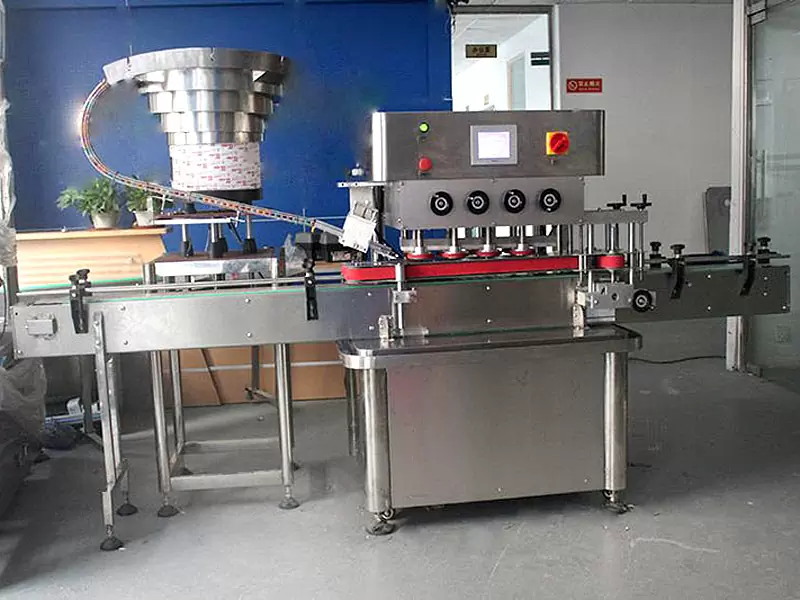
Friction Capping Machine
◉ PRODUCT SPECIFICATION
Friction Capping Machine – Introduction
A friction capping machine is a packaging device that tightens caps onto containers by using friction to rotate the cap. The main working components are two or more friction belts (or friction wheels) moving in the same or opposite directions. As the container passes through the capping station, the friction belts contact the side of the cap and drive it to rotate, completing the tightening action.
Working Principle:
Containers are conveyed to the capping area with caps already placed on the bottle necks (either manually or via an automatic cap sorter). Two sets of friction belts, arranged at a certain angle, contact the cap from the sides or from above. The belts move in the direction that corresponds to tightening the cap. The continuous friction causes the cap to rotate and screw onto the bottle neck threads. When the tightening torque reaches a certain level, the belts slip against the cap, preventing over-tightening.
Key Features:
Relatively simple construction: Compared to jaw-type capping heads, friction cappers have fewer complex gripping mechanisms, making maintenance generally easier.
Limited cap surface marking: Friction belts are typically made of polyurethane or rubber materials, which provide a relatively soft contact with the cap.
Accommodates a range of cap sizes: The distance between friction belts can be adjusted to fit different cap diameters, requiring relatively small adjustments when changing sizes.
Moderate to high capping speed: Suitable for continuous flow production lines and can match relatively high conveying speeds.
Applicable Cap Types:
Tamper-evident caps (plastic or aluminum)
Screw caps (pump heads, nozzle caps, etc.)
Flip-top caps, butterfly caps, and other caps with side surfaces suitable for friction
Limitations:
Caps with diameters significantly smaller than the bottle body or caps with very smooth surfaces (insufficient friction)
Applications requiring precise torque control where minor surface marks on the cap are not acceptable
Typical Applications:
Tightening tamper-evident caps on water bottles and beverage bottles
Pump head caps or flip-top caps on daily chemical products (liquid detergent, shampoo, hand soap)
Plastic caps on large-mouth containers such as cooking oil and lubricating oil
For the following products, 8.8 refers to the hardness grade of the product model. The steel materials include: galvanized (yellow, white, blackened), and Dacromet for anti-corrosion; the stainless steel materials include: 304, 201, etc. For specific products, please feel free to inquire.
◉ MESSAGE
◉ SIMILAR RECOMMENDED
 Small Bottle Filling Machine
 Daily Chemical and Chemical Filling Machine
 Small Bottle Filling Machine
 Small Bottle Filling Machine
 Daily Chemical and Chemical Filling Machine
 Weighing Filling Machine
 Corrosion-Resistant and Explosion-Proof Filling Line
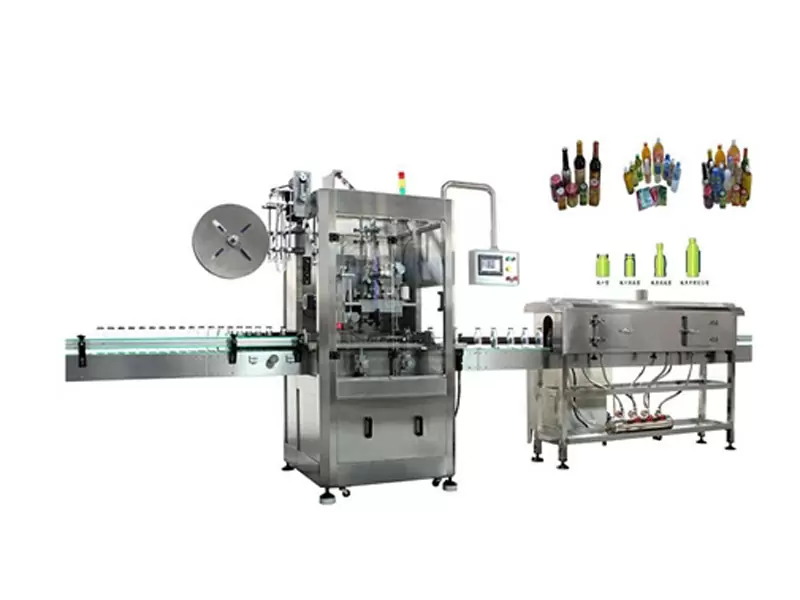
 Automatic Sleeve Labeling Machine
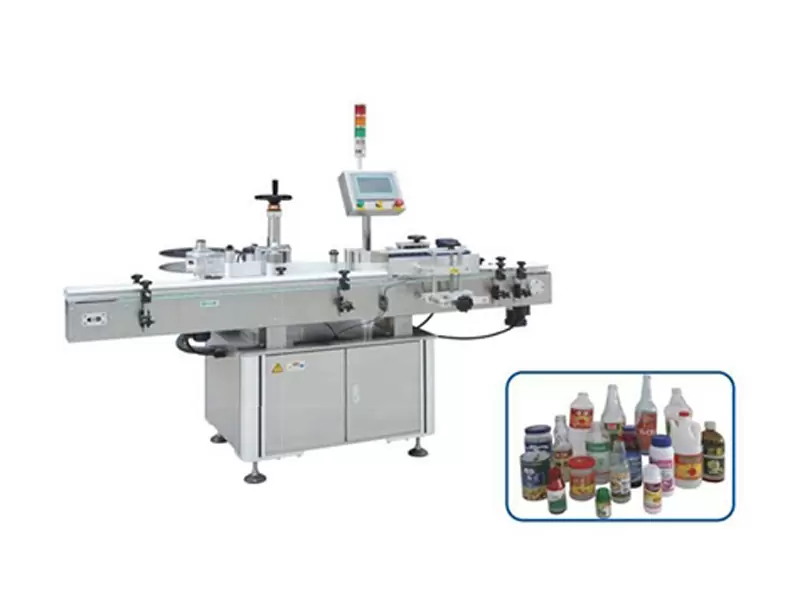
 Self-Adhesive Labeling Machine
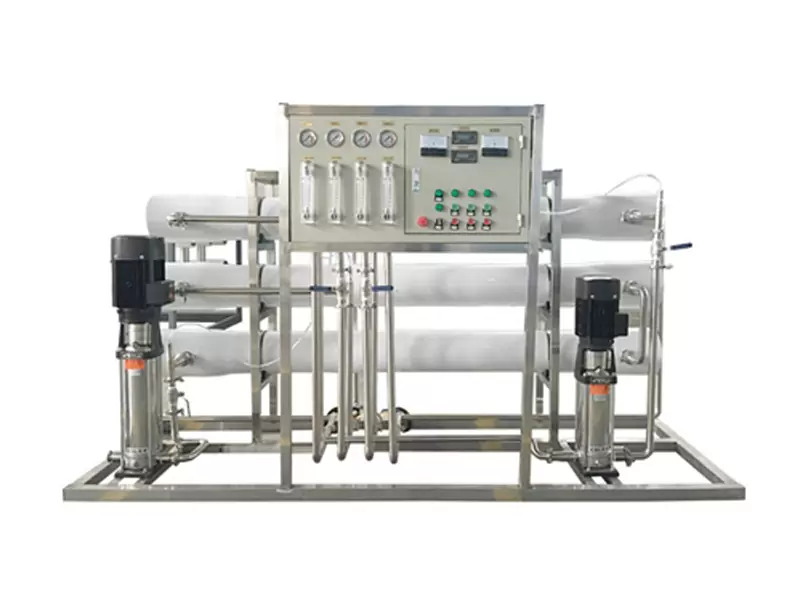
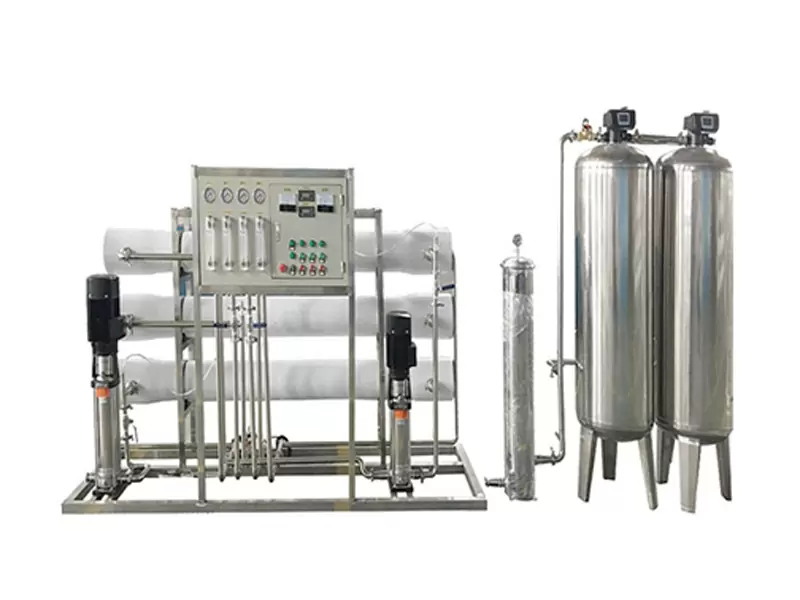
 2 T/H Two-Stage Reverse Osmosis Water Treatment Equipment
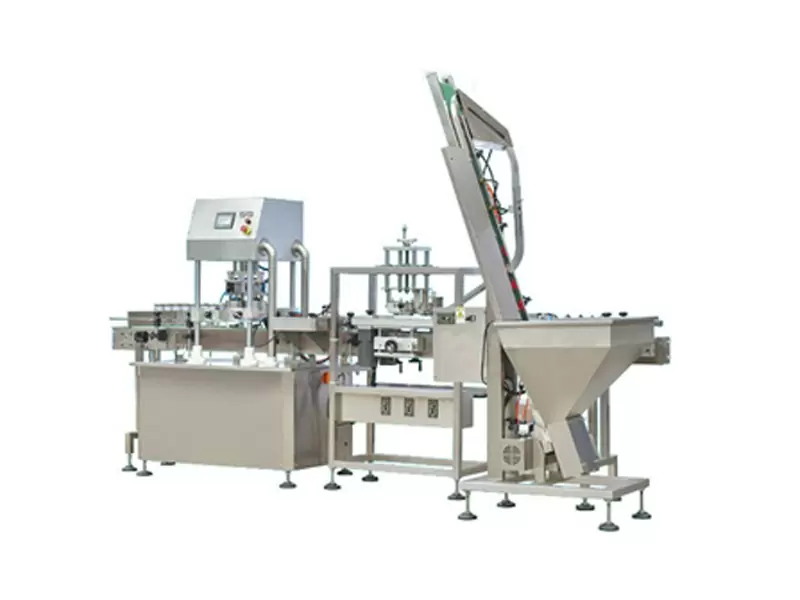
 Elevator-type screw capping machine
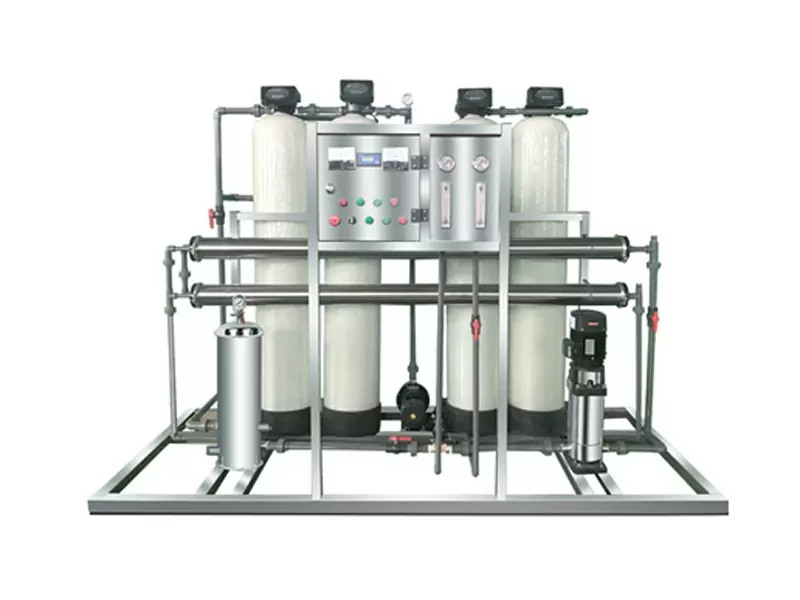
 Two-Stage Reverse Osmosis Water Treatment Equipment
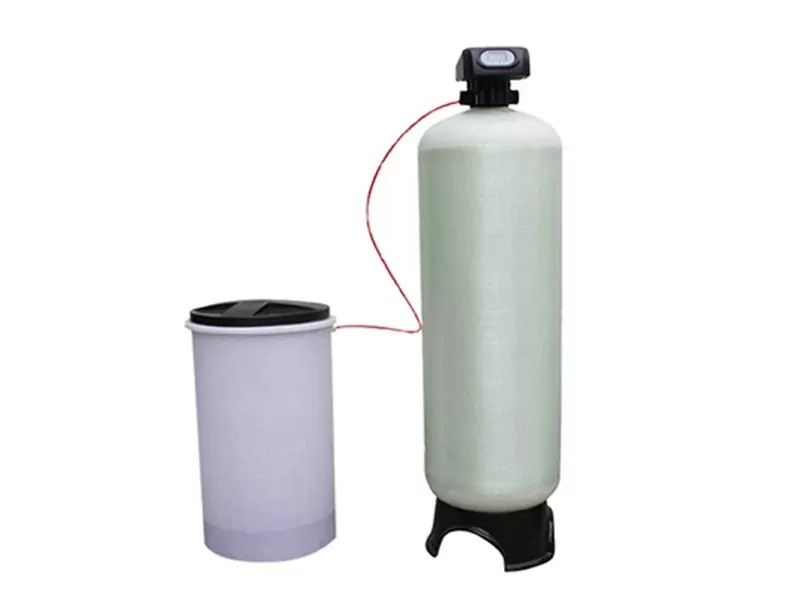
") Water Softening Equipment (Water Softener)
Water Softening Equipment (Water Softener)") Water Softening Equipment (Water Softener)
Water Softening Equipment (Water Softener)") Water Softening Equipment (Water Softener)
Water Softening Equipment (Water Softener)") Water Softening Equipment (Water Softener)
Water Softening Equipment (Water Softener) Water Treatment Equipment") Nanofiltration (NF) Water Treatment Equipment
Nanofiltration (NF) Water Treatment Equipment EDI Ultrapure Water Equipment
 EDI Ultrapure Water Equipment
 EDI Ultrapure Water Equipment
 EDI Ultrapure Water Equipment
Thank you very much for writing to us. Please leave your message and contact information, we will reply to you within 24 hours.