
MESSAGE
If you have any questions, please contact us and we will contact you as soon as possible.
‹
›
‹
›
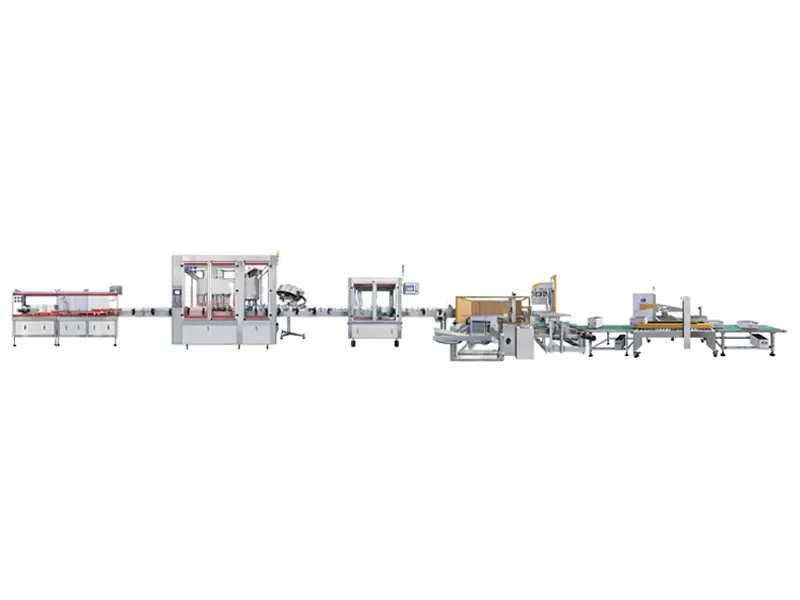
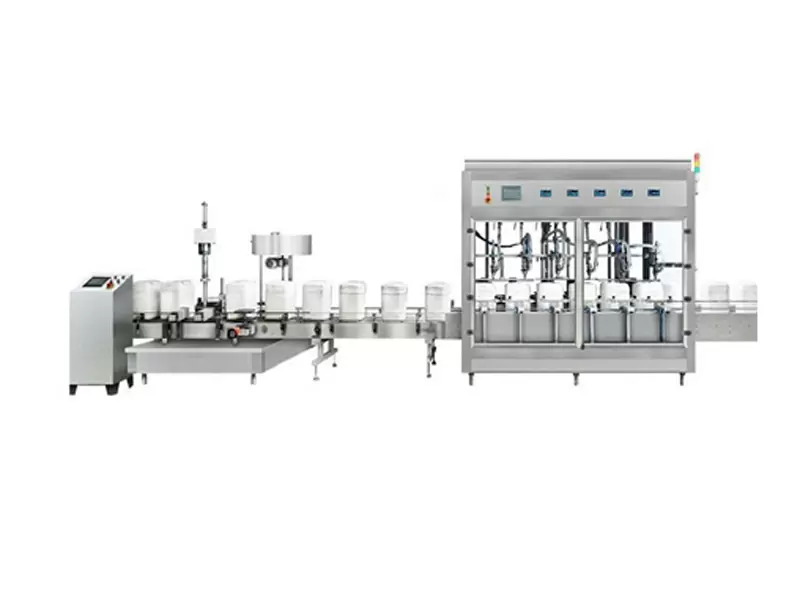
Corrosion-Resistant and Explosion-Proof Filling Line
◉ PRODUCT SPECIFICATION
Corrosion-Resistant and Explosion-Proof Filling Line – Introduction
A corrosion-resistant and explosion-proof filling line is an automated filling system specifically designed for handling corrosive, flammable, or explosive materials. This production line incorporates targeted measures in material selection, sealing design, electrical control, and safety protection to reduce corrosion damage to equipment and the risk of combustion or explosion during the filling process. The complete line typically integrates multiple operations, including container feeding, filling, capping, labeling, and palletizing, and is suitable for packaging applications in the chemical, pesticide, coating, oil, and petrochemical industries.
Key Protection Features:
Corrosion-resistant design: Components that contact the product (filling heads, pipes, pump bodies, seals) are made of corrosion-resistant materials such as 316L stainless steel, Hastelloy, PTFE (polytetrafluoroethylene), PVDF, or PP. Exposed machine surfaces are typically coated with anti-corrosion finishes.
Explosion-proof design: The line uses explosion-proof electrical components, including explosion-proof motors, control panels, and sensors. The equipment complies with specific explosion protection levels (such as Ex d flameproof, Ex e increased safety, Ex p pressurized enclosure, Ex i intrinsic safety, etc.), making it suitable for environments where flammable gases, vapors, or dust may be present.
Typical Line Configuration:
A corrosion-resistant and explosion-proof filling line generally consists of the following core equipment:
Key Features:
Corrosion resistance of materials: Key contact parts are made of corrosion-resistant metals or non-metallic materials, helping extend equipment service life in corrosive media environments.
Electrical safety: Explosion-proof components help reduce the risk of ignition from electrical sparks in suitable hazardous environments.
Sealing performance: Filling areas often include enclosed chambers connected to exhaust systems to remove any leaked flammable or corrosive gases.
High filling accuracy: Weight-based metering systems can achieve accuracy levels from ±0.2% to ±0.05%.
High level of automation: The line operates from container feeding to finished product output with reduced manual handling of hazardous materials.
Optional auxiliary functions: Depending on product characteristics, the line can be equipped with nitrogen purging, air curtain protection, line flushing, anti-drip devices, and emergency shut-off functions.
Examples of Suitable Materials:
Corrosive materials: Strong acids (sulfuric acid, hydrochloric acid, nitric acid), strong alkalis (sodium hydroxide solution), pesticides, corrosive solvents
Flammable or explosive materials: Alcohol, gasoline, acetone, toluene, paint thinner, flammable chemicals
High-viscosity materials: Paints, adhesives, creams and pastes
Typical Applications:
Chemical industry: filling of acids, alkalis, solvents, additives, paints
Pesticide industry: filling of herbicides, insecticides, fungicides, suspension concentrates
Oil industry: filling of gasoline, diesel, lubricating oil, antifreeze, brake fluid
Petrochemical industry: large-batch filling of various flammable and explosive liquids
Fine chemicals: filling of flavors and fragrances, resins, adhesives
For the following products, 8.8 refers to the hardness grade of the product model. The steel materials include: galvanized (yellow, white, blackened), and Dacromet for anti-corrosion; the stainless steel materials include: 304, 201, etc. For specific products, please feel free to inquire.
◉ MESSAGE
◉ SIMILAR RECOMMENDED
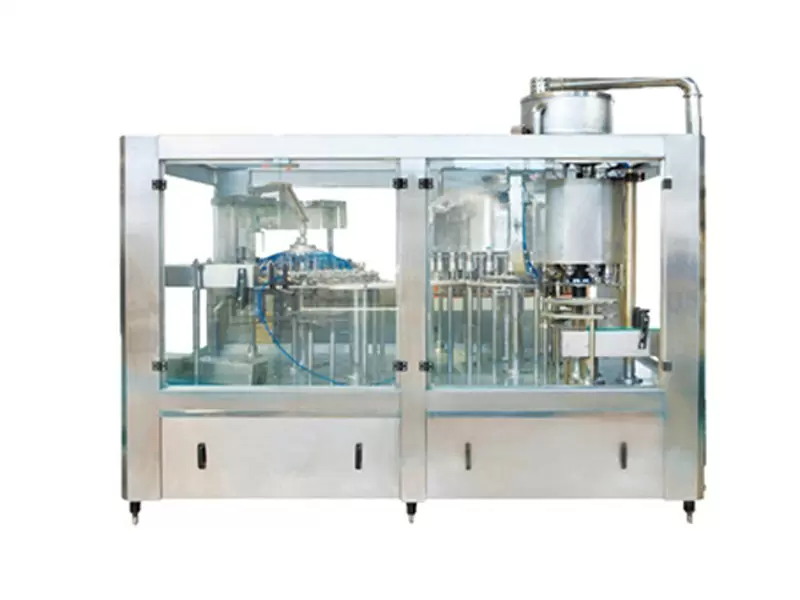
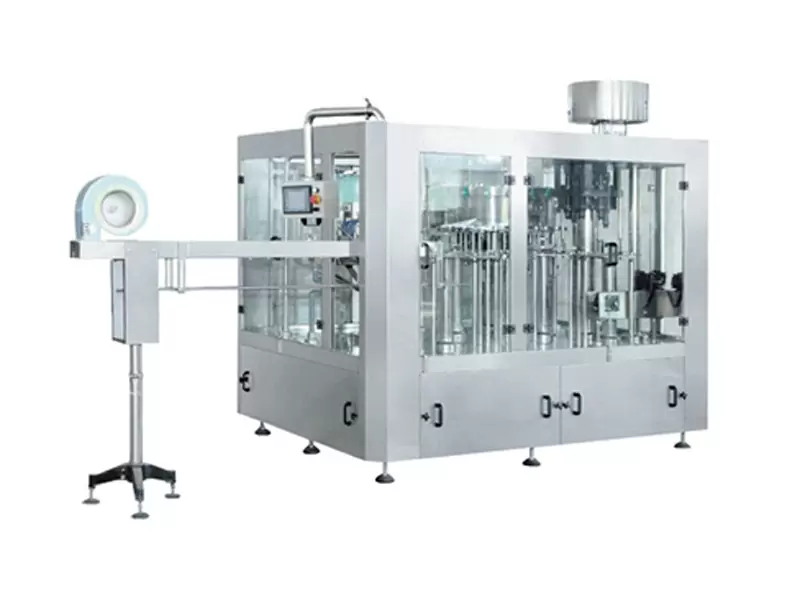
 Small Bottle Filling Machine
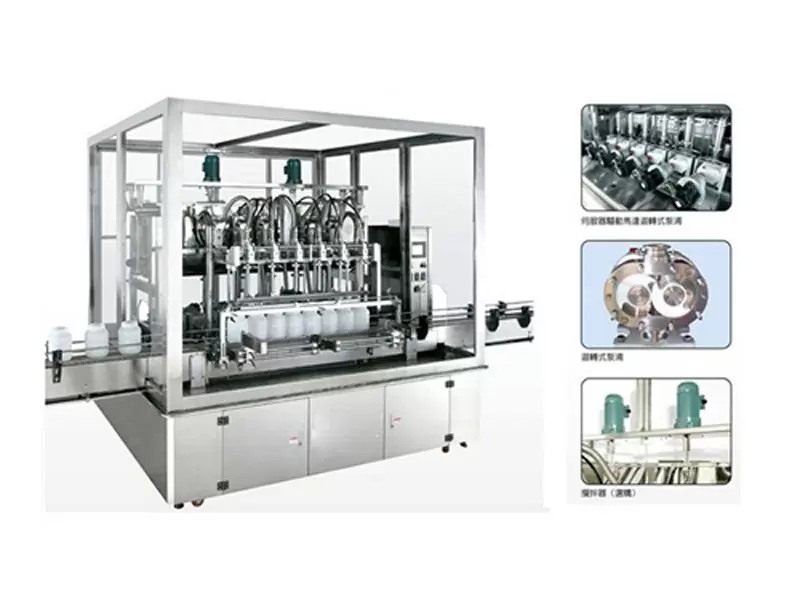
 Daily Chemical and Chemical Filling Machine
 Small Bottle Filling Machine
 Small Bottle Filling Machine
 Daily Chemical and Chemical Filling Machine
 Weighing Filling Machine
 Corrosion-Resistant and Explosion-Proof Filling Line
 Automatic Sleeve Labeling Machine
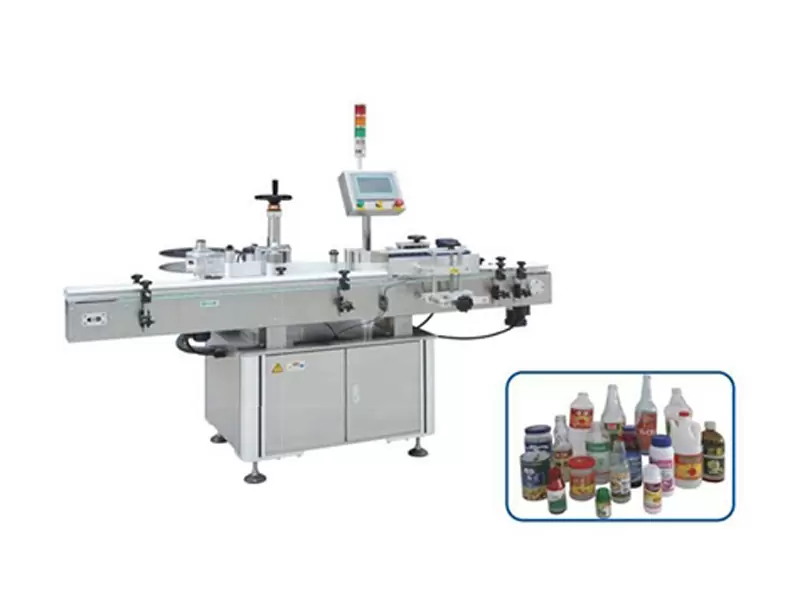
 Self-Adhesive Labeling Machine
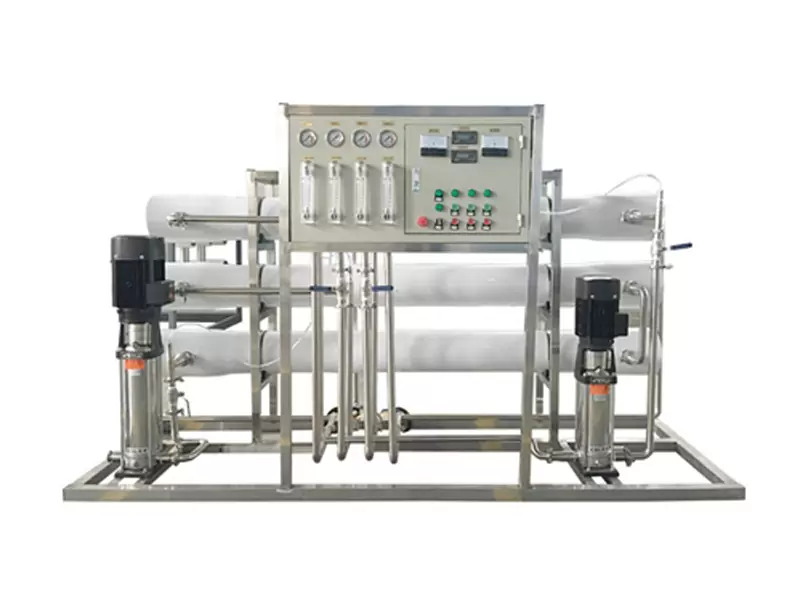
 2 T/H Two-Stage Reverse Osmosis Water Treatment Equipment
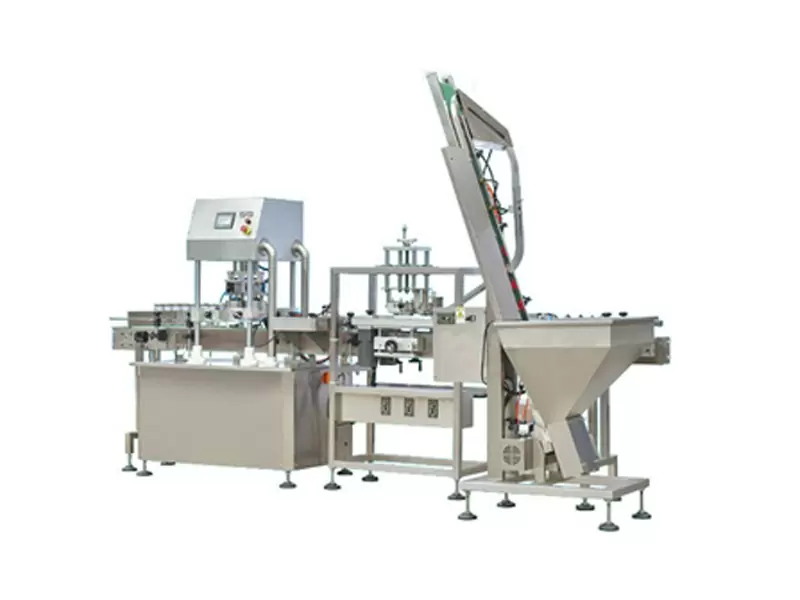
 Elevator-type screw capping machine
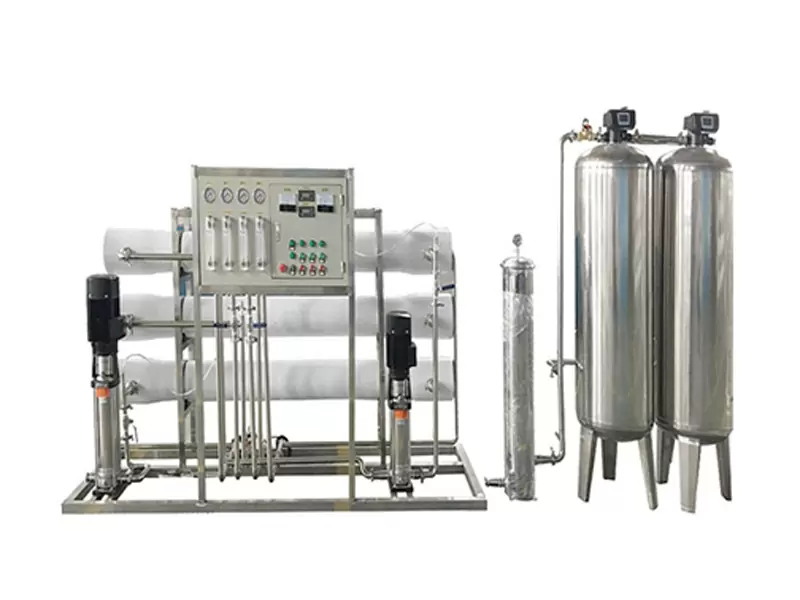
 Two-Stage Reverse Osmosis Water Treatment Equipment
") Water Softening Equipment (Water Softener)
Water Softening Equipment (Water Softener)") Water Softening Equipment (Water Softener)
Water Softening Equipment (Water Softener)") Water Softening Equipment (Water Softener)
Water Softening Equipment (Water Softener)") Water Softening Equipment (Water Softener)
Water Softening Equipment (Water Softener) Water Treatment Equipment") Nanofiltration (NF) Water Treatment Equipment
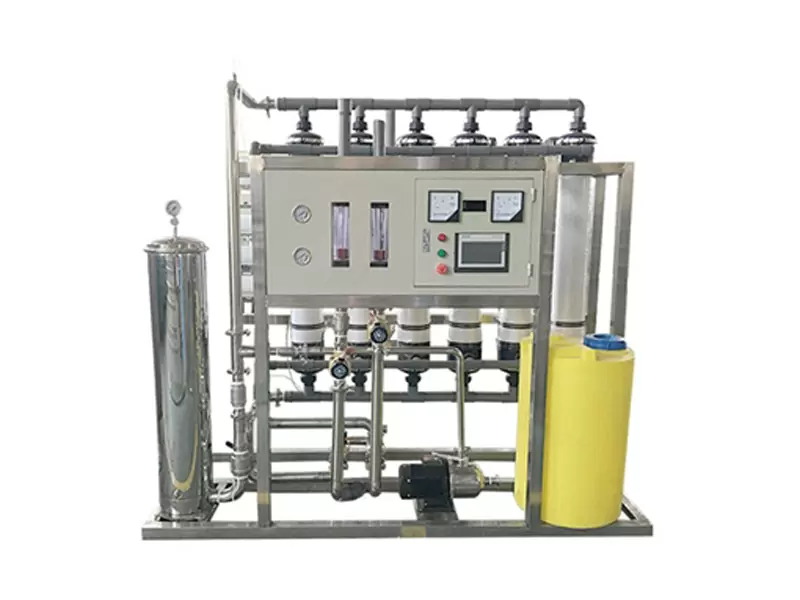
Nanofiltration (NF) Water Treatment Equipment EDI Ultrapure Water Equipment
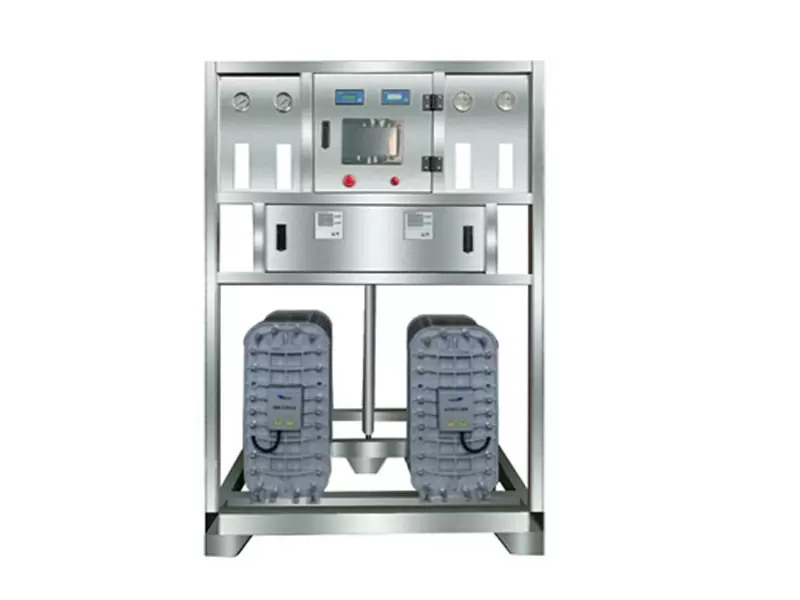
 EDI Ultrapure Water Equipment
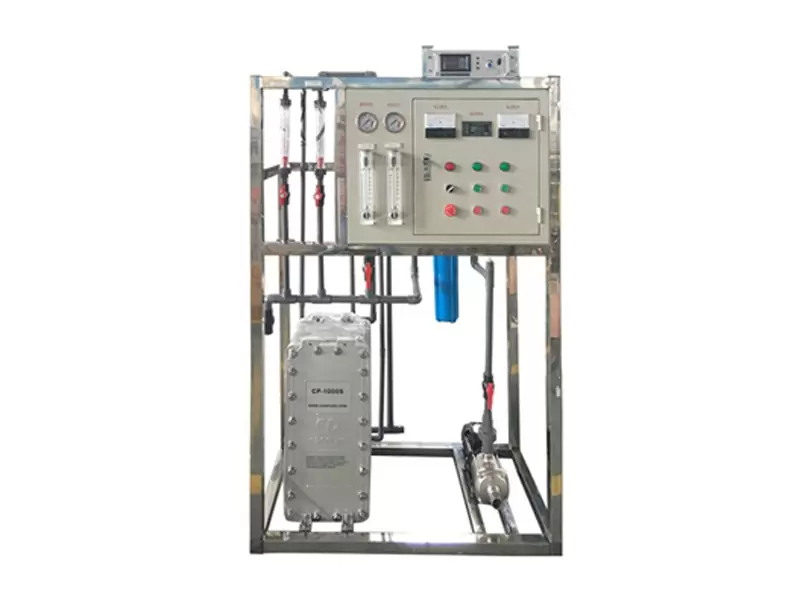
 EDI Ultrapure Water Equipment
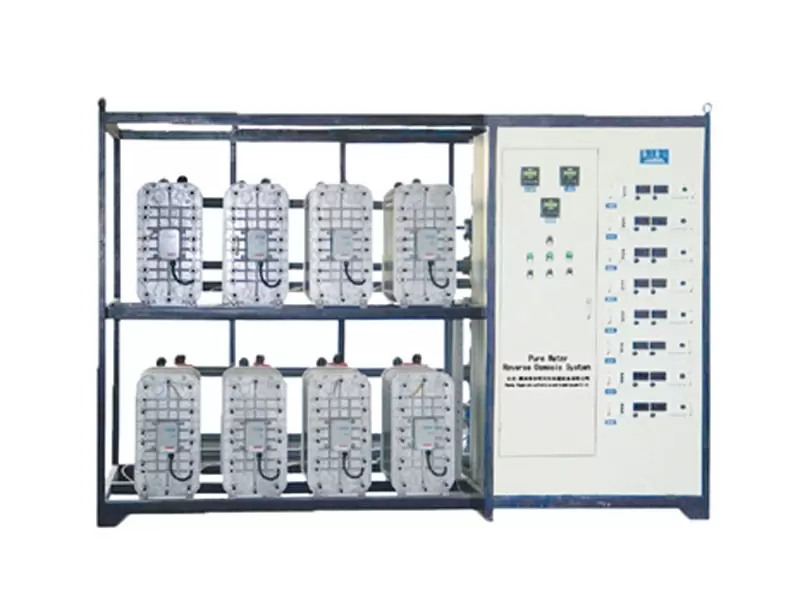
 EDI Ultrapure Water Equipment
Thank you very much for writing to us. Please leave your message and contact information, we will reply to you within 24 hours.