
MESSAGE
If you have any questions, please contact us and we will contact you as soon as possible.
‹
›
‹
›
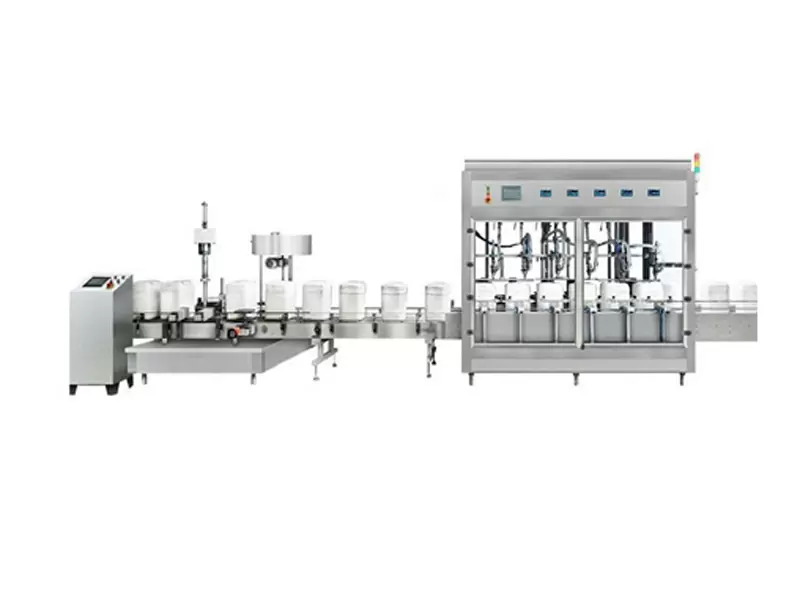
Weighing Filling Machine
◉ PRODUCT SPECIFICATION
Weighing Filling Machine – Introduction
A weighing filling machine is a filling device that controls fill volume by measuring the weight of the container or the dispensed product in real time. Unlike volumetric filling machines (which use piston pumps, flow meters, etc.), weighing filling machines use weight as the direct reference, making them less affected by changes in product density, entrained air bubbles, or temperature variations. This design is suitable for applications with relatively high accuracy requirements or where product physical properties are inconsistent.
Working Principle:
Weighing filling machines typically operate in one of two modes:
Gross weighing (weighing with container): An empty container is placed on a weighing platform or static weighing cell, and the system records the tare weight. The filling head begins dispensing product, and the weighing system monitors the total weight in real time. When the total weight reaches the preset target (tare weight + net weight), filling stops.
Net weighing (weighing product only): Product is first metered into a weighing hopper. Once the net weight reaches the set value, the product is discharged through the filling head into the container. This method is suitable for applications where container weight varies significantly.
Key Features:
Relatively high filling accuracy: Uses weight as the direct reference, unaffected by density changes, air bubbles, or temperature fluctuations. Typical accuracy can range from ±0.2% to ±0.5%.
Wide range of applicable materials: Can handle liquids, pastes, slurries, powders, granules, as well as foamy or volatile materials.
Less affected by product variations: For products with inconsistent viscosity or those containing particulates, weighing methods offer advantages over volumetric methods.
Real-time feedback and adjustment: Some models include closed-loop control systems that automatically correct fill volume based on weighing results.
Relatively more complex design: Compared to volumetric filling machines, weighing fillers require precision sensors and corresponding control algorithms, resulting in higher cost.
Limitations:
Filling speed is typically lower than volumetric fillers (especially in high-precision weighing mode)
More sensitive to environmental factors such as vibration and air currents; requires a relatively stable mounting surface
Common Types:
Single-head weighing filling machine: Simple design, suitable for small batches or large containers (e.g., pails and drums).
Multi-station inline weighing filling machine: Multiple weighing units arranged side by side, filling sequentially or alternately.
Rotary weighing filling machine: Multiple weighing stations on a rotating turret for continuous bottle infeed, filling, and discharge. Suitable for higher speeds.
Net weight filling machine: Product is weighed first, then filled. Suitable for containers with inconsistent tare weight.
Typical Applications:
Food industry: cooking oil, honey, sauces, milk, fruit juice (products sold by weight)
Chemical industry: paints, adhesives, lubricating oil, antifreeze, pesticides
Daily chemical industry: liquid detergent, shampoo (large package sizes)
Oil and grain industry: bottled oils, liquid condiments
Powders and granules: milk powder, flour, granular foods, chemical raw materials
For the following products, 8.8 refers to the hardness grade of the product model. The steel materials include: galvanized (yellow, white, blackened), and Dacromet for anti-corrosion; the stainless steel materials include: 304, 201, etc. For specific products, please feel free to inquire.
◉ MESSAGE
◉ SIMILAR RECOMMENDED
 Small Bottle Filling Machine
 Daily Chemical and Chemical Filling Machine
 Small Bottle Filling Machine
 Small Bottle Filling Machine
 Daily Chemical and Chemical Filling Machine
 Weighing Filling Machine
 Corrosion-Resistant and Explosion-Proof Filling Line
 Automatic Sleeve Labeling Machine
 Self-Adhesive Labeling Machine
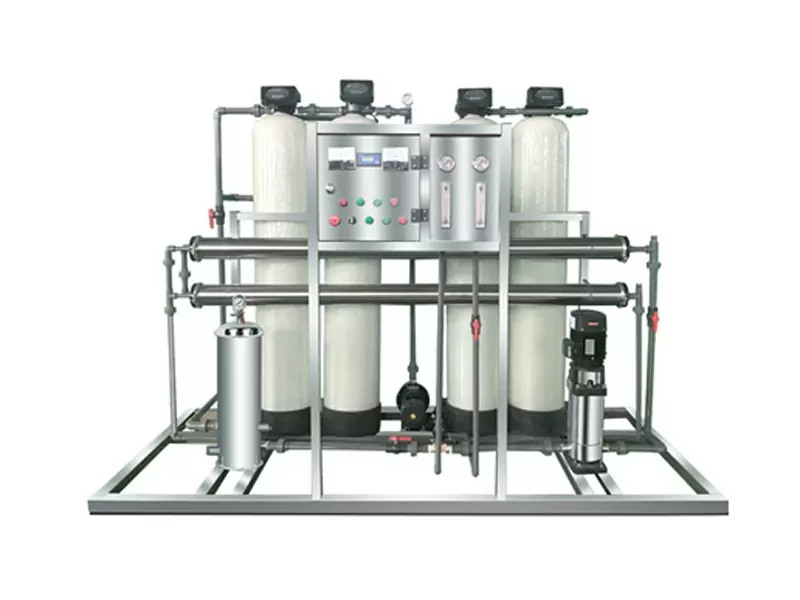
 2 T/H Two-Stage Reverse Osmosis Water Treatment Equipment
 Elevator-type screw capping machine
 Two-Stage Reverse Osmosis Water Treatment Equipment
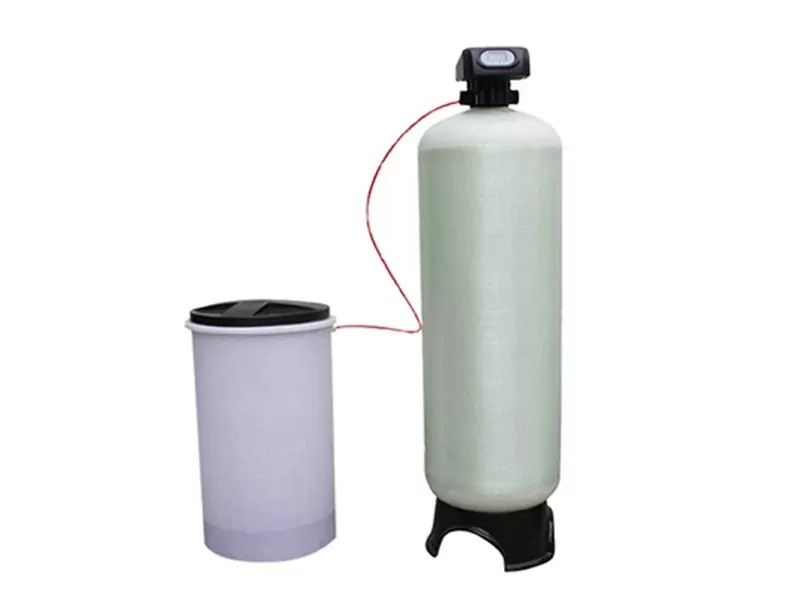
") Water Softening Equipment (Water Softener)
Water Softening Equipment (Water Softener)") Water Softening Equipment (Water Softener)
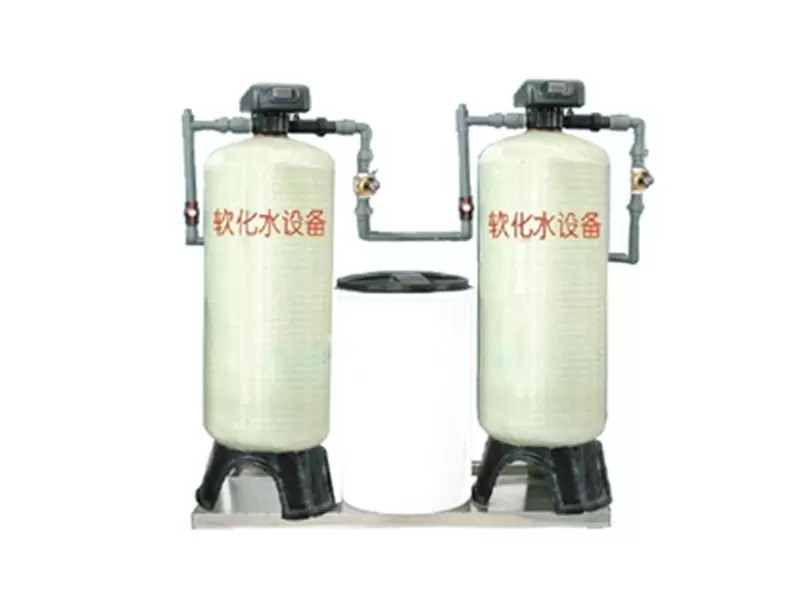
Water Softening Equipment (Water Softener)") Water Softening Equipment (Water Softener)
Water Softening Equipment (Water Softener)") Water Softening Equipment (Water Softener)
Water Softening Equipment (Water Softener) Water Treatment Equipment") Nanofiltration (NF) Water Treatment Equipment
Nanofiltration (NF) Water Treatment Equipment EDI Ultrapure Water Equipment
 EDI Ultrapure Water Equipment
 EDI Ultrapure Water Equipment
 EDI Ultrapure Water Equipment
Thank you very much for writing to us. Please leave your message and contact information, we will reply to you within 24 hours.