
MESSAGE
If you have any questions, please contact us and we will contact you as soon as possible.
‹
›
‹
›
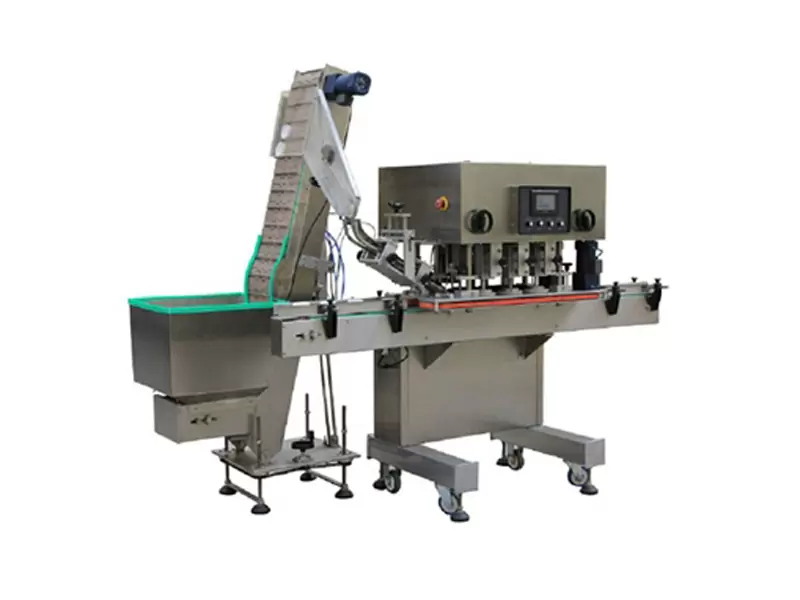
capping machine
◉ PRODUCT SPECIFICATION
Capping Machine – Introduction
A capping machine is a piece of packaging equipment used to apply and tighten caps (such as screw caps, tamper-evident caps, or press-on twist caps) onto containers. Its basic principle involves a motor-driven capping head, combined with mechanical gripping or belt friction, to orient the cap, position it on the container, and apply a controlled amount of torque to complete the sealing process.
Key Features
Consistent operation: The machine can run continuously, with output rates varying by model—typically ranging from 20 to 200 bottles per minute. It serves as an alternative to manual capping.
Adjustable torque: Operators can set the tightening force to help avoid damage to the container or leakage from an under-tightened seal.
Flexibility for different containers: By changing certain parts, the machine can accommodate various bottle shapes (round, square, odd-shaped) and cap sizes.
Safety features: Many models include sensors for missing caps, overload protection, and fault alerts.
Common Types
Handheld capping machine: Smaller and lighter, intended for lab use, small-batch production, or manual assistance.
Semi-automatic capping machine: The operator places the bottle manually, and the machine tightens the cap. This type is suitable for small to medium production lines.
Automatic capping machine: Integrated with cap feeding and sorting systems. It can be connected to filling machines and labeling machines for larger production lines.
Typical Applications
Capping machines are used in industries that require threaded sealing for containers, including:
Food and beverage (e.g., bottled water, cooking oil, sauces)
Pharmaceutical (e.g., medicine bottles, oral liquid vials)
Daily chemicals (e.g., shampoo, liquid detergent)
Chemical products (e.g., lubricants, paints)
For the following products, 8.8 refers to the hardness grade of the product model. The steel materials include: galvanized (yellow, white, blackened), and Dacromet for anti-corrosion; the stainless steel materials include: 304, 201, etc. For specific products, please feel free to inquire.
◉ MESSAGE
◉ SIMILAR RECOMMENDED
 Small Bottle Filling Machine
 Daily Chemical and Chemical Filling Machine
 Small Bottle Filling Machine
 Small Bottle Filling Machine
 Daily Chemical and Chemical Filling Machine
 Weighing Filling Machine
 Corrosion-Resistant and Explosion-Proof Filling Line
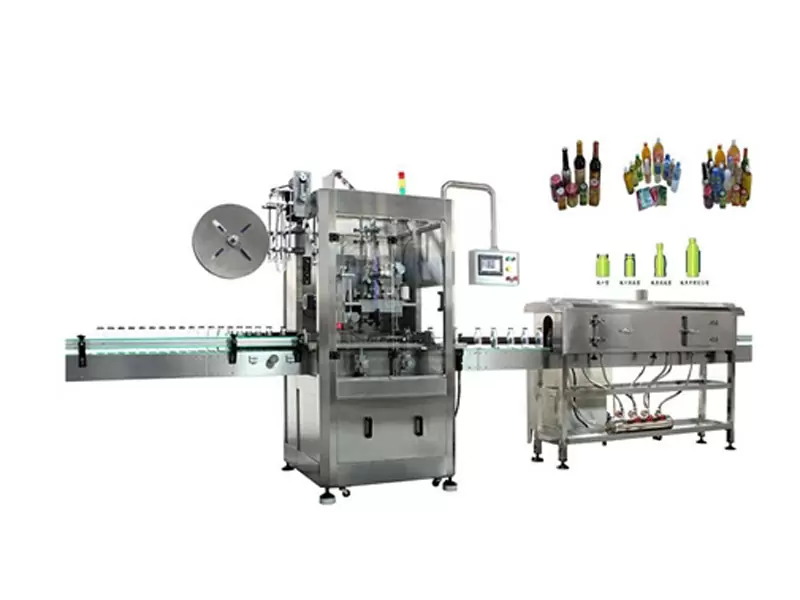
 Automatic Sleeve Labeling Machine
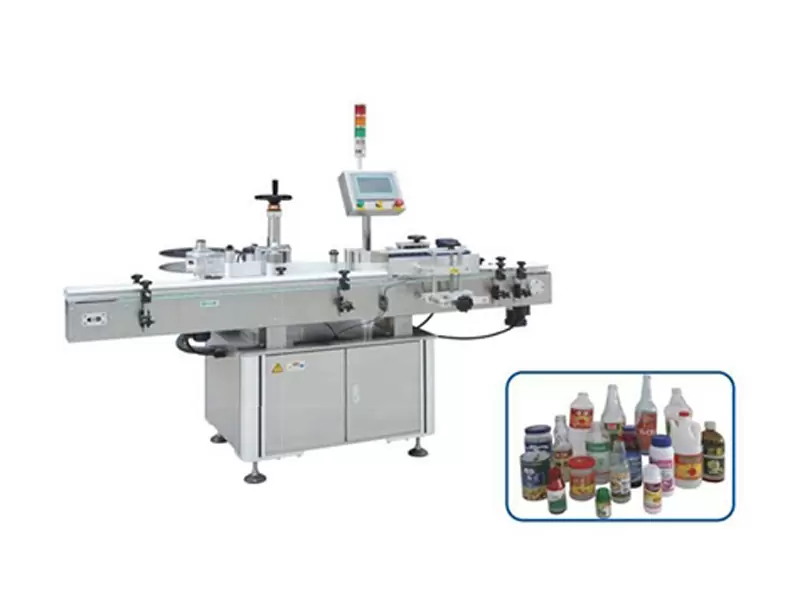
 Self-Adhesive Labeling Machine
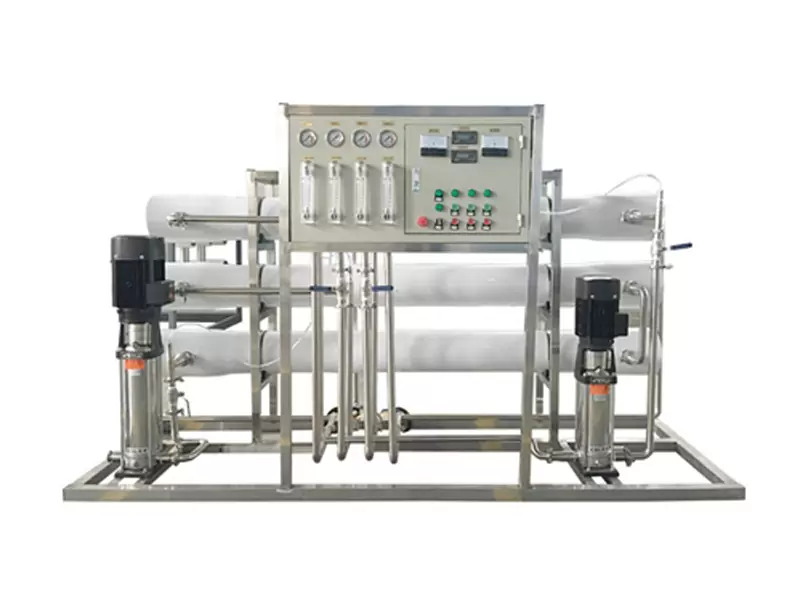
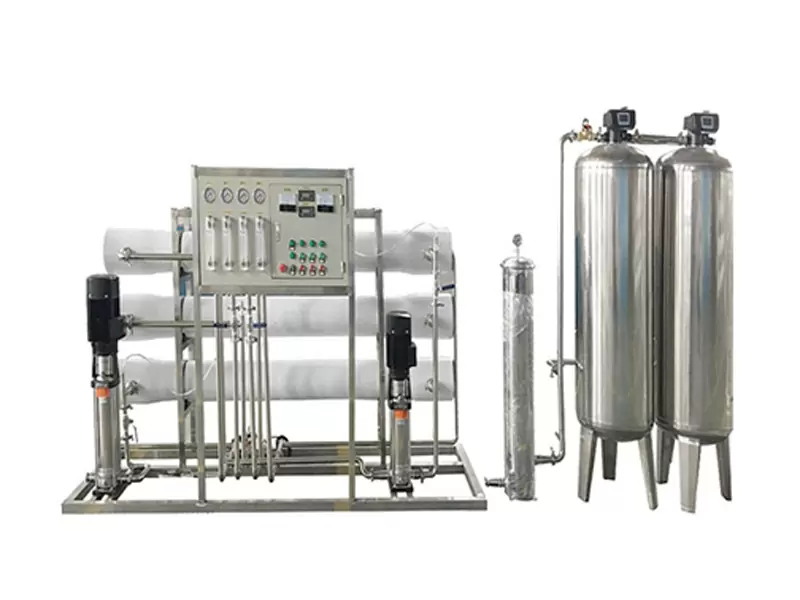
 2 T/H Two-Stage Reverse Osmosis Water Treatment Equipment
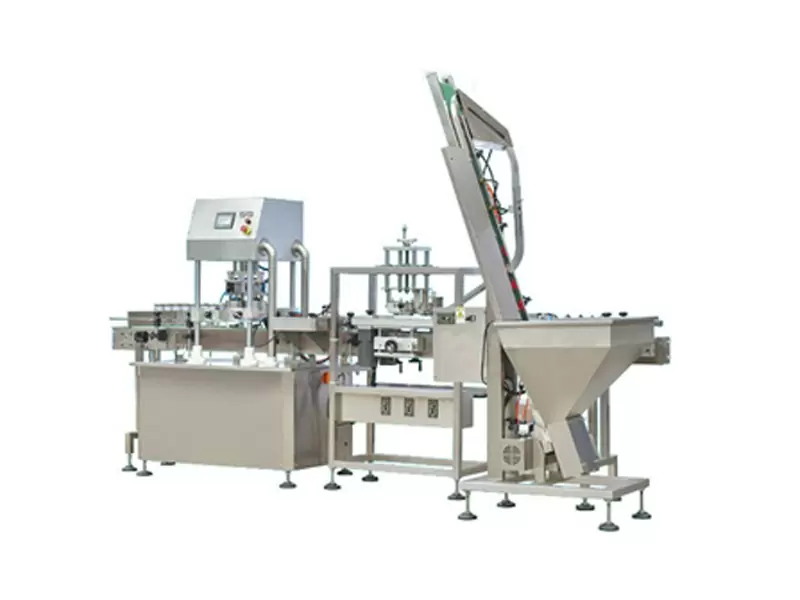
 Elevator-type screw capping machine
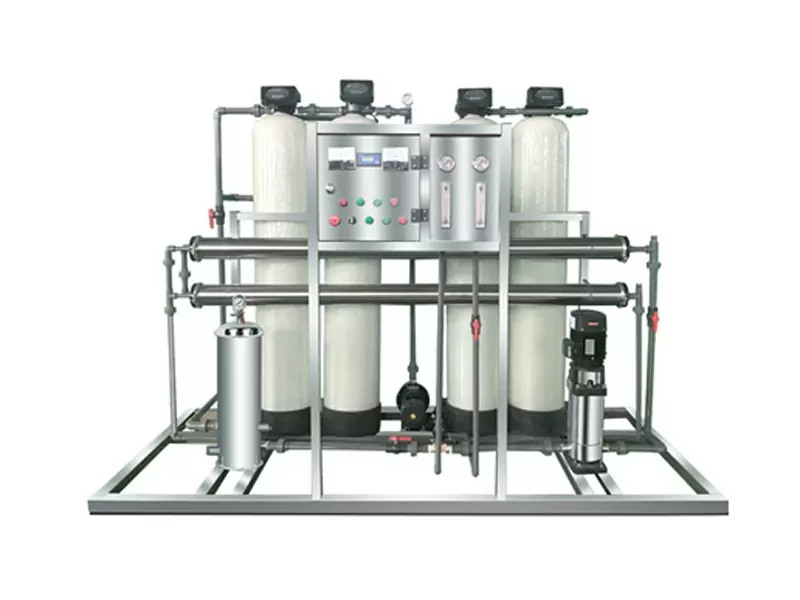
 Two-Stage Reverse Osmosis Water Treatment Equipment
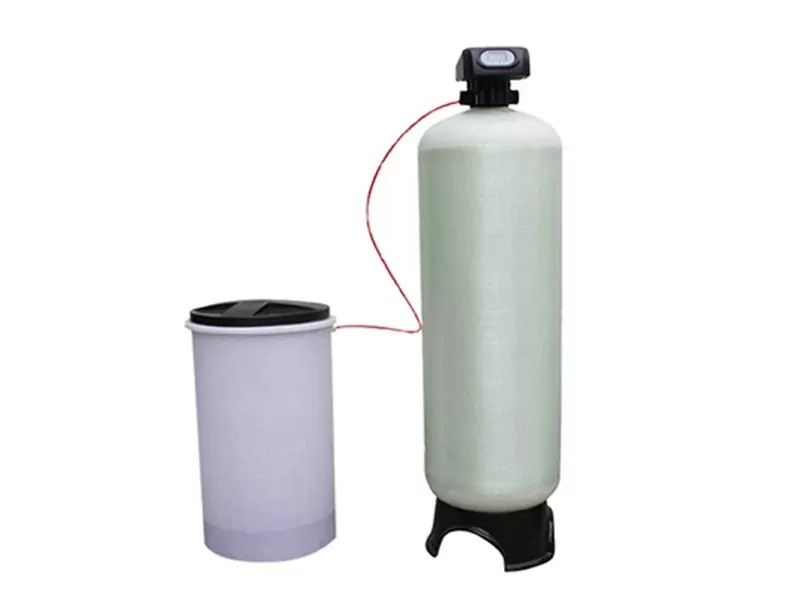
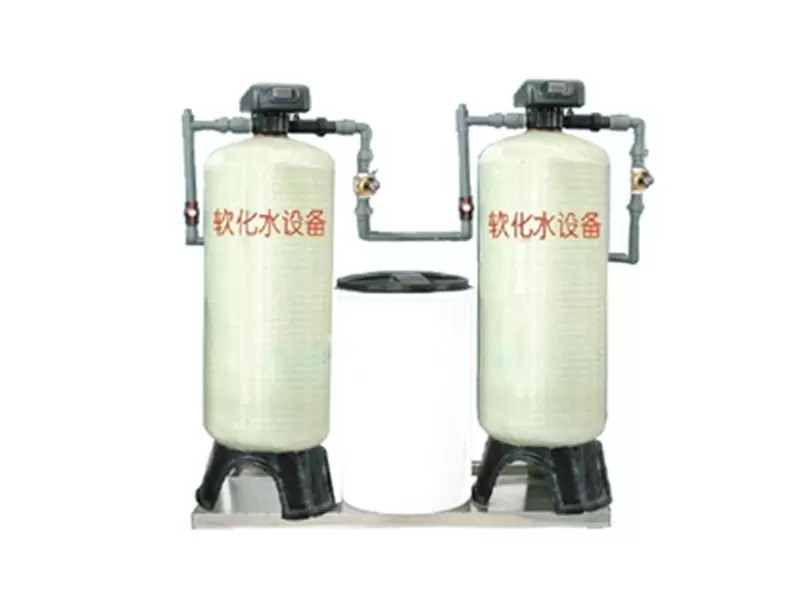
") Water Softening Equipment (Water Softener)
Water Softening Equipment (Water Softener)") Water Softening Equipment (Water Softener)
Water Softening Equipment (Water Softener)") Water Softening Equipment (Water Softener)
Water Softening Equipment (Water Softener)") Water Softening Equipment (Water Softener)
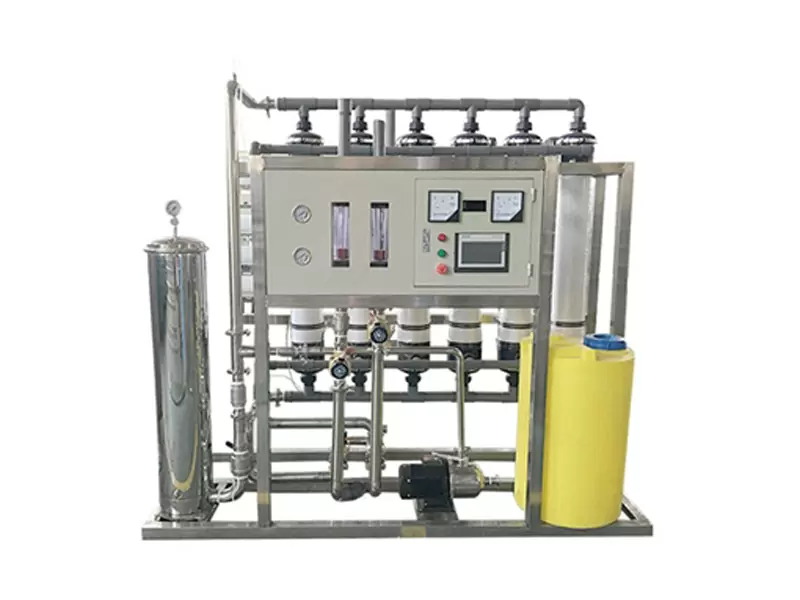
Water Softening Equipment (Water Softener) Water Treatment Equipment") Nanofiltration (NF) Water Treatment Equipment
Nanofiltration (NF) Water Treatment Equipment EDI Ultrapure Water Equipment
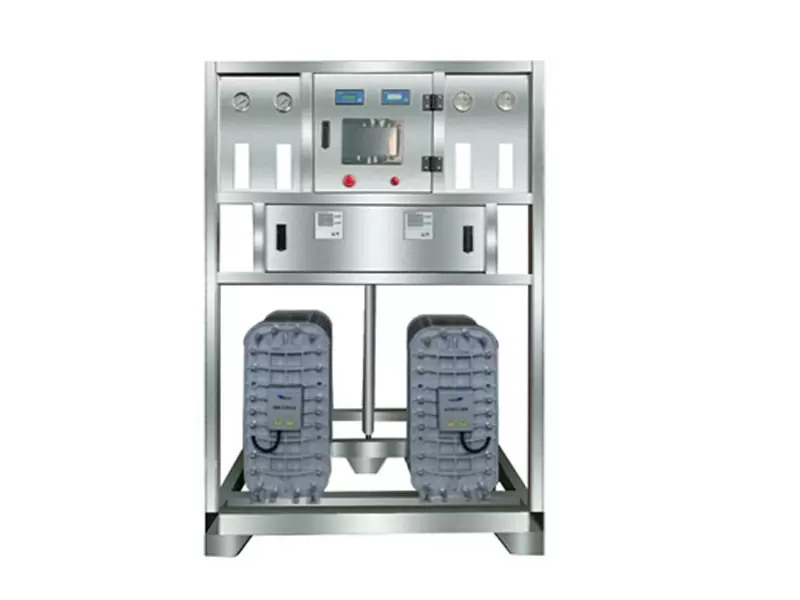
 EDI Ultrapure Water Equipment
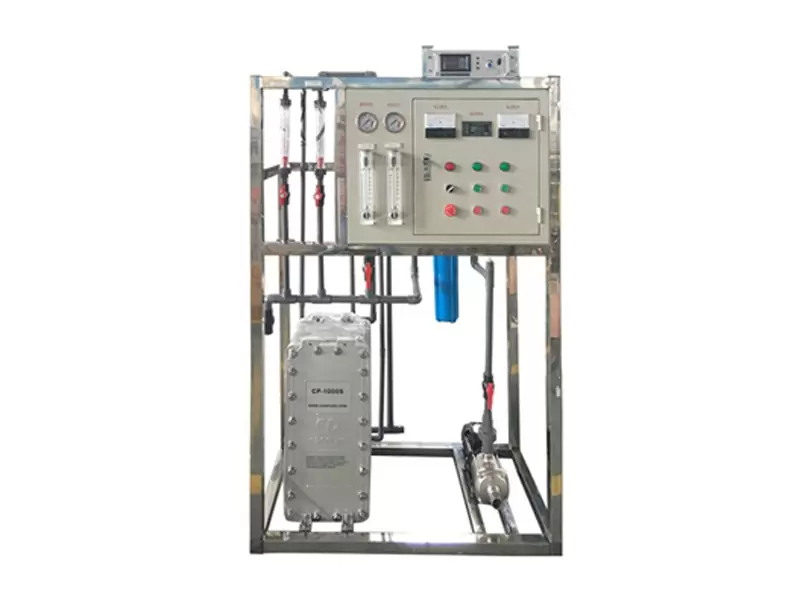
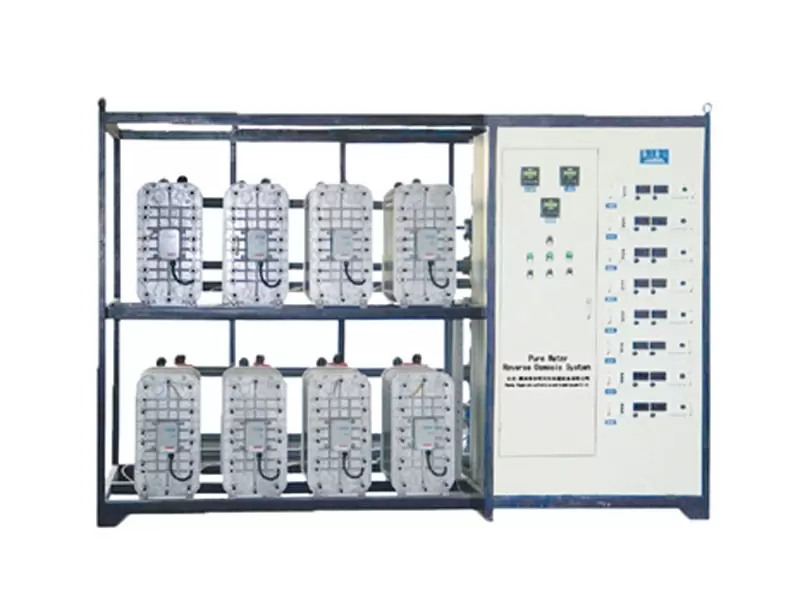
 EDI Ultrapure Water Equipment
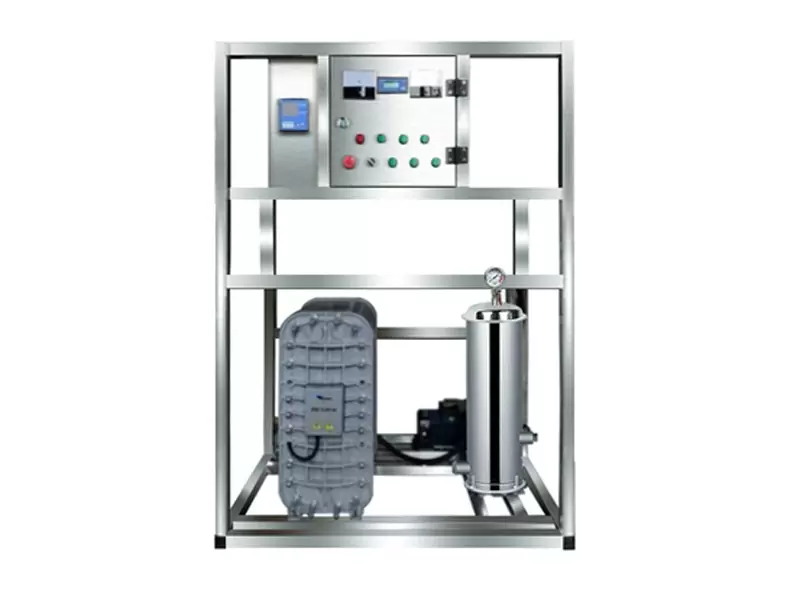
 EDI Ultrapure Water Equipment
Thank you very much for writing to us. Please leave your message and contact information, we will reply to you within 24 hours.