
MESSAGE
If you have any questions, please contact us and we will contact you as soon as possible.
‹
›
‹
›
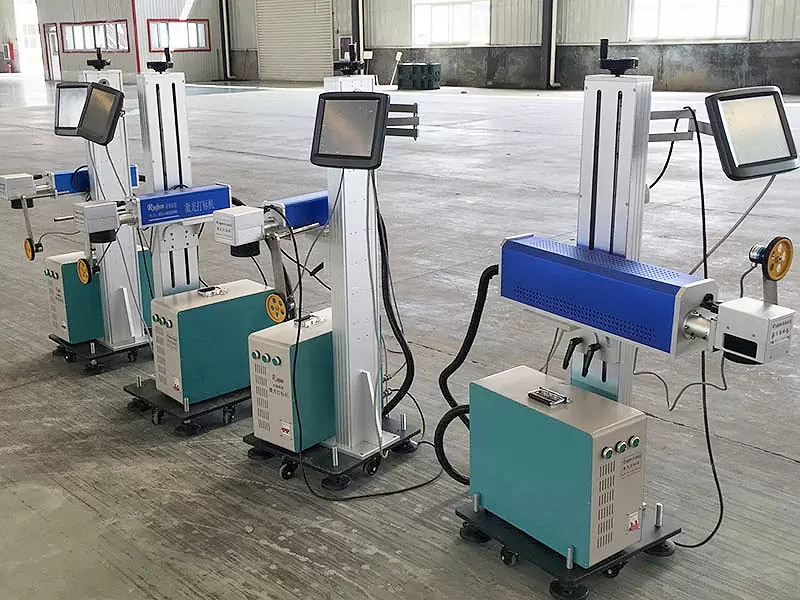
Laser Coding Machine
◉ PRODUCT SPECIFICATION
Laser Coding Machine – Introduction
A laser coding machine is a device that uses a high-energy laser beam to create marks on the surface of an object. Through thermal or photochemical effects, the laser causes discoloration, ablation, or melting on the material surface, producing permanent markings such as text, dates, batch numbers, barcodes, QR codes, or graphics. This equipment requires no inks, solvents, or consumables and operates as a non-contact marking method.
Working Principle:
A laser coding machine consists of a laser source, a scanning galvanometer, a focusing lens, and a control system. The control system generates the graphic or text information to be marked and directs the galvanometer to steer the laser beam. After passing through the focusing lens, the laser beam forms a high-energy-density spot on the workpiece surface. The spot scans point by point along a preset path, causing physical or chemical changes in the irradiated area and resulting in a clear mark.
Key Features:
Permanent marking: Laser marks are created directly on or into the material surface and are not easily rubbed off or altered, offering good wear resistance.
Low operating cost: No inks, solvents, thinners, or cleaning agents are required. There are minimal consumable costs under normal use (some models may require periodic laser source maintenance).
Non-contact process: The laser beam does not physically contact the product, avoiding mechanical pressure or scratching on the product surface. Suitable for soft or delicate surfaces.
Clean operation: No ink fumes or waste materials are generated, making the process relatively environmentally friendly.
Fine marking capability: Capable of marking small text, high-density barcodes, and small QR codes with clear edges.
Broad material compatibility: Can process metals, plastics, glass, ceramics, wood, paper, coated materials, and more.
Common Types (by laser source):
Fiber laser coding machine: Suitable for metals and certain plastics. Offers relatively fast marking speed and long service life. Commonly used in electronics, automotive, hardware, and medical device industries.
CO₂ laser coding machine: Suitable for paper, wood, glass, acrylic, certain plastics, and coated materials. Commonly used in food, beverage, and daily chemical packaging.
UV laser coding machine: Shorter wavelength with a small heat-affected zone. Suitable for heat-sensitive materials (e.g., blister packs, flexible films, specialty plastics). Provides fine marking quality.
Green laser coding machine: Suitable for highly reflective materials (e.g., gold, silver, copper) and internal engraving in glass.
Typical Applications:
Food industry: production dates, expiration dates, batch numbers (on caps, packaging bags, cartons)
Beverage industry: date codes on bottle bodies, caps, and can bottoms
Pharmaceutical industry: markings on medicine cartons, foil blister packs, ampoules, and vials
Daily chemical industry: batch numbers and expiration dates on cosmetic bottles and personal care product bottles
Electronics industry: serial numbers and QR codes on PCBs, chips, connectors, and housings
Hardware and automotive: permanent markings on components, tools, and nameplates
For the following products, 8.8 refers to the hardness grade of the product model. The steel materials include: galvanized (yellow, white, blackened), and Dacromet for anti-corrosion; the stainless steel materials include: 304, 201, etc. For specific products, please feel free to inquire.
◉ MESSAGE
◉ SIMILAR RECOMMENDED
 Small Bottle Filling Machine
 Daily Chemical and Chemical Filling Machine
 Small Bottle Filling Machine
 Small Bottle Filling Machine
 Daily Chemical and Chemical Filling Machine
 Weighing Filling Machine
 Corrosion-Resistant and Explosion-Proof Filling Line
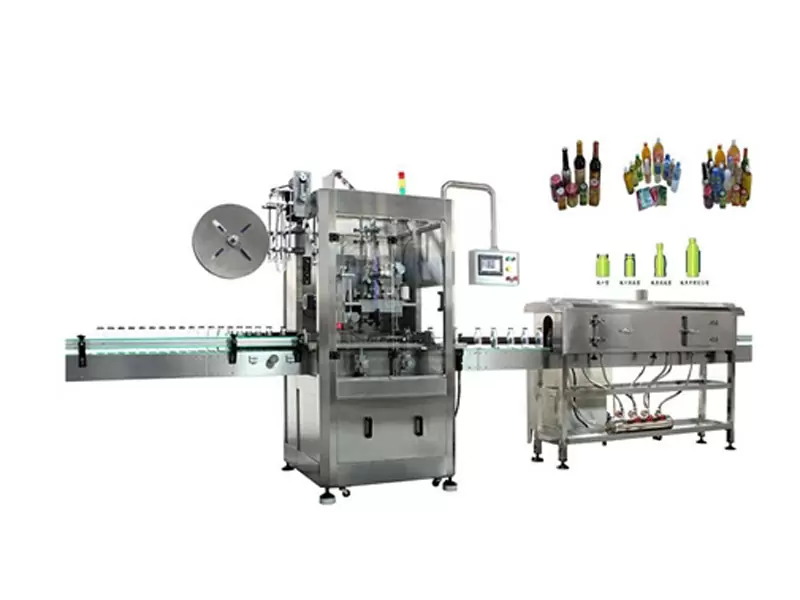
 Automatic Sleeve Labeling Machine
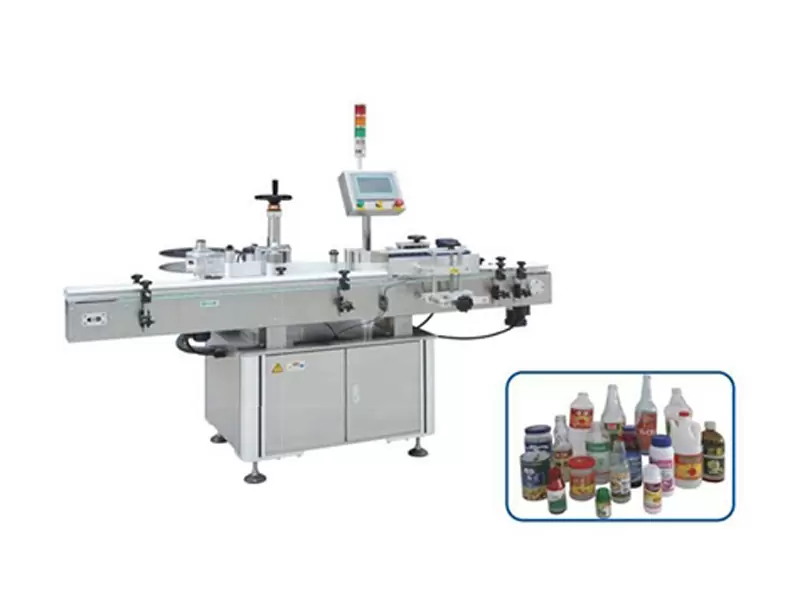
 Self-Adhesive Labeling Machine
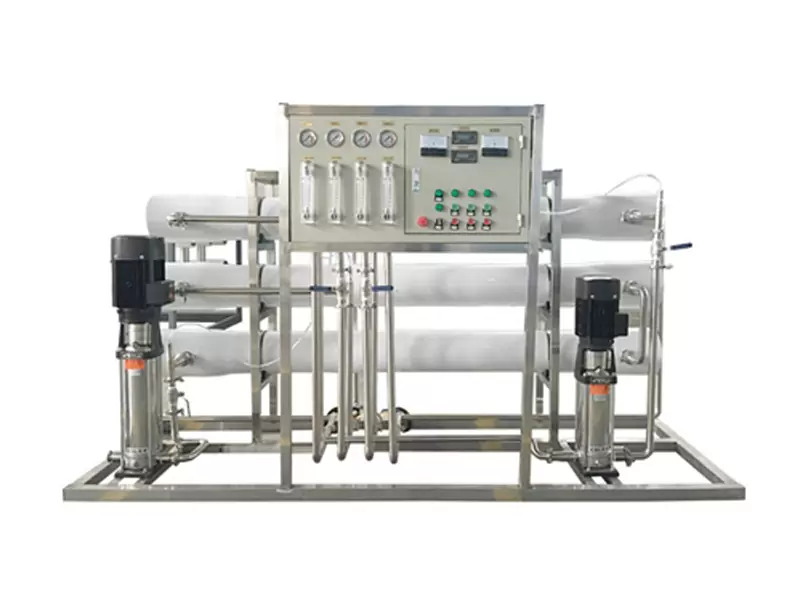
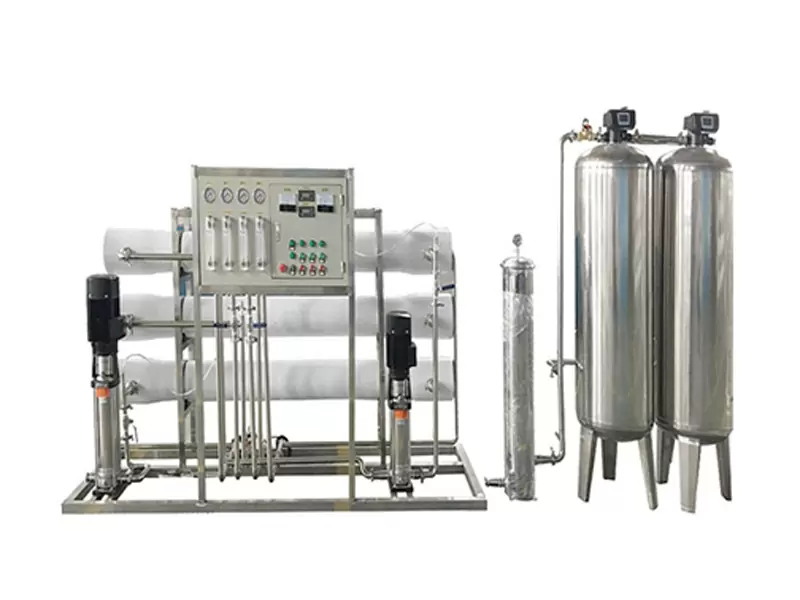
 2 T/H Two-Stage Reverse Osmosis Water Treatment Equipment
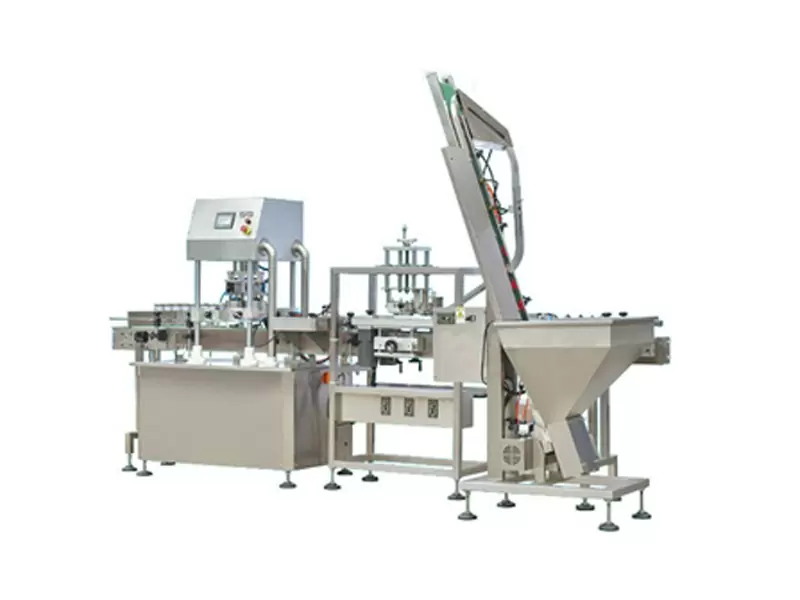
 Elevator-type screw capping machine
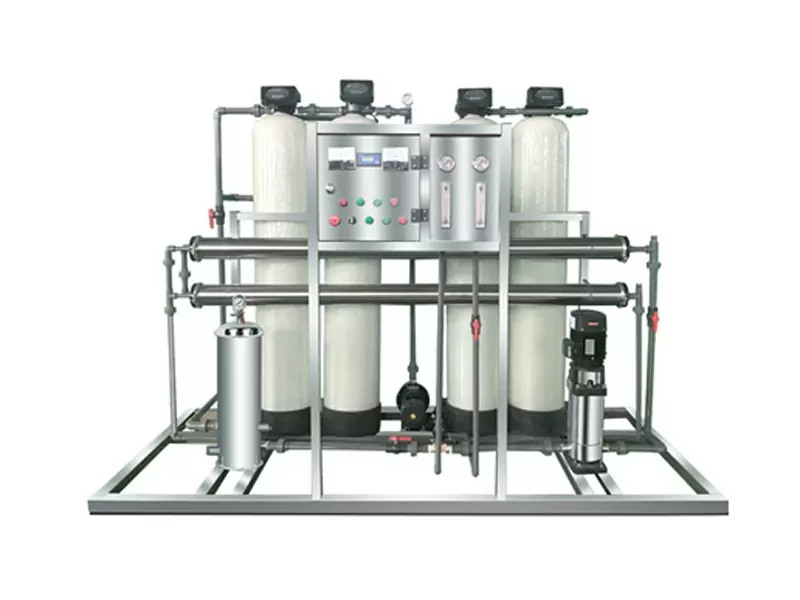
 Two-Stage Reverse Osmosis Water Treatment Equipment
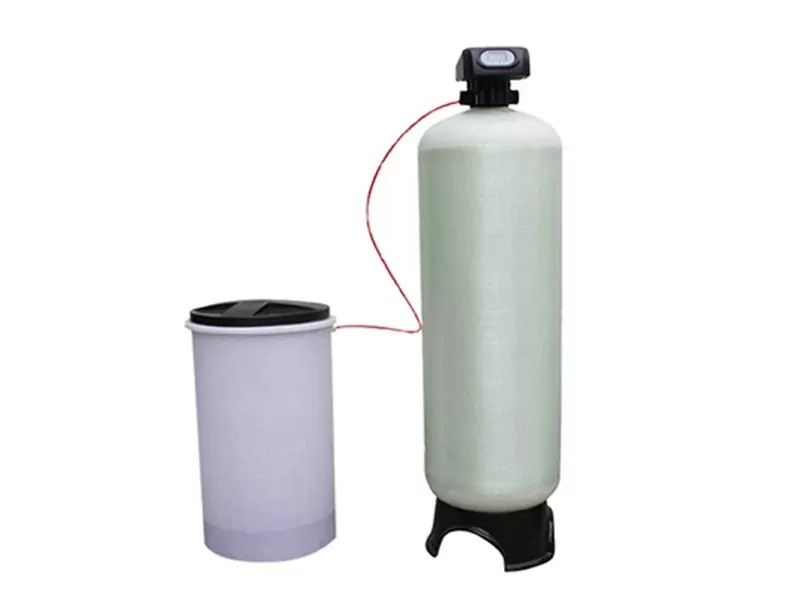
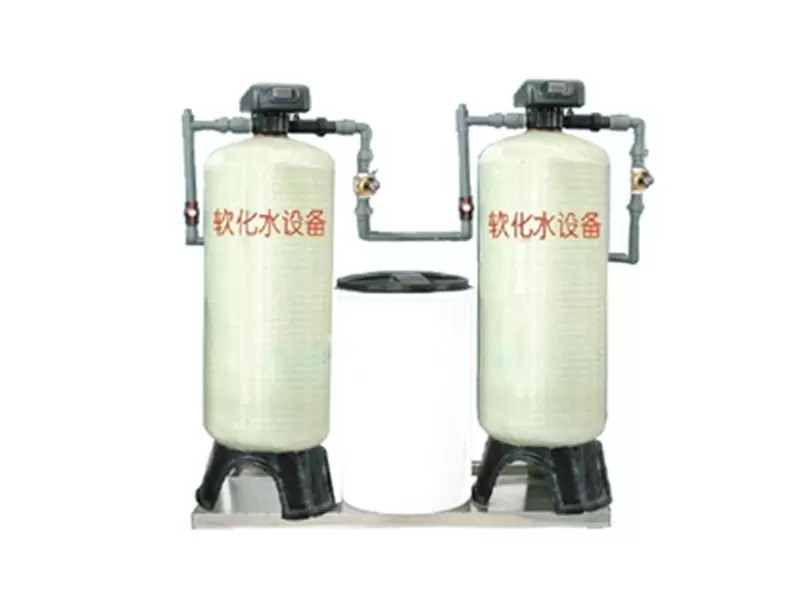
") Water Softening Equipment (Water Softener)
Water Softening Equipment (Water Softener)") Water Softening Equipment (Water Softener)
Water Softening Equipment (Water Softener)") Water Softening Equipment (Water Softener)
Water Softening Equipment (Water Softener)") Water Softening Equipment (Water Softener)
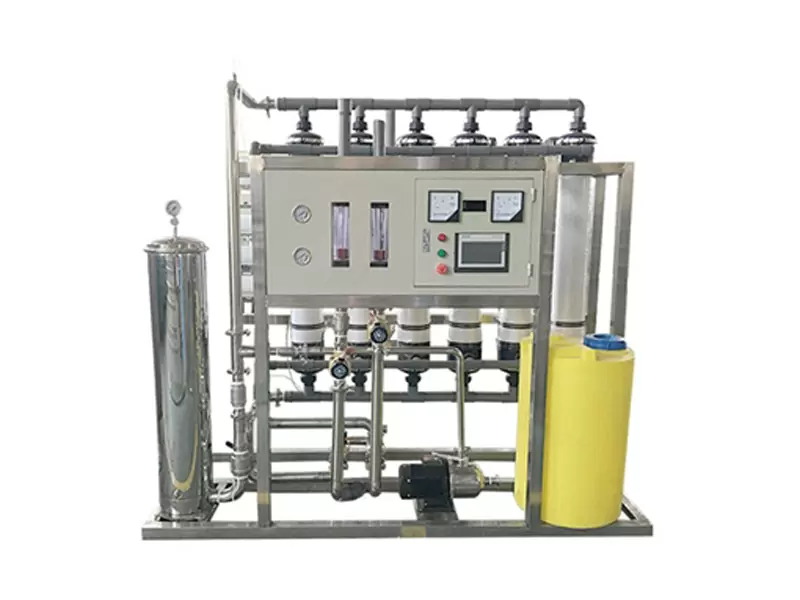
Water Softening Equipment (Water Softener) Water Treatment Equipment") Nanofiltration (NF) Water Treatment Equipment
Nanofiltration (NF) Water Treatment Equipment EDI Ultrapure Water Equipment
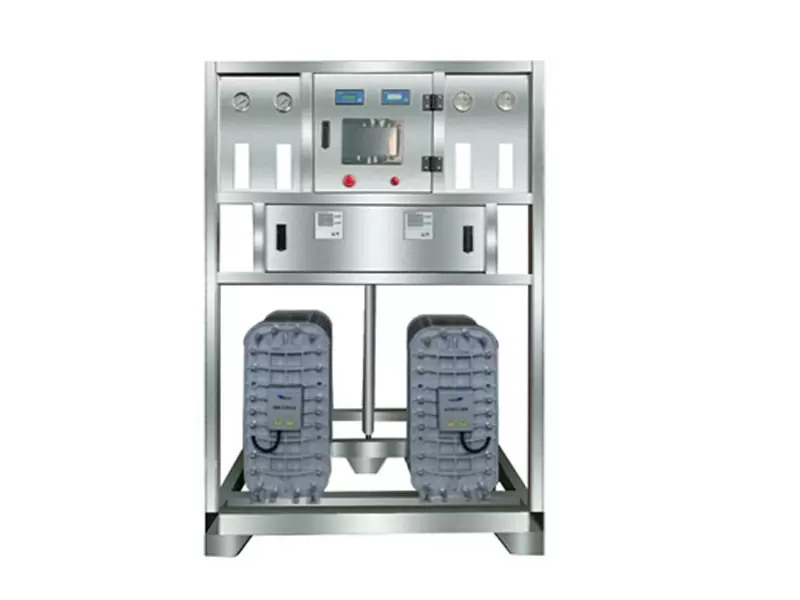
 EDI Ultrapure Water Equipment
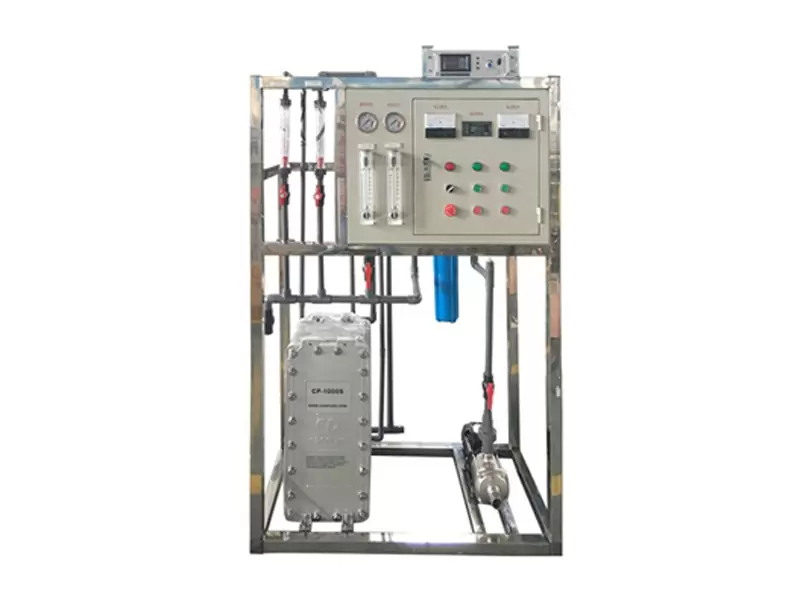
 EDI Ultrapure Water Equipment
 EDI Ultrapure Water Equipment
Thank you very much for writing to us. Please leave your message and contact information, we will reply to you within 24 hours.