
MESSAGE
If you have any questions, please contact us and we will contact you as soon as possible.
‹
›
‹
›
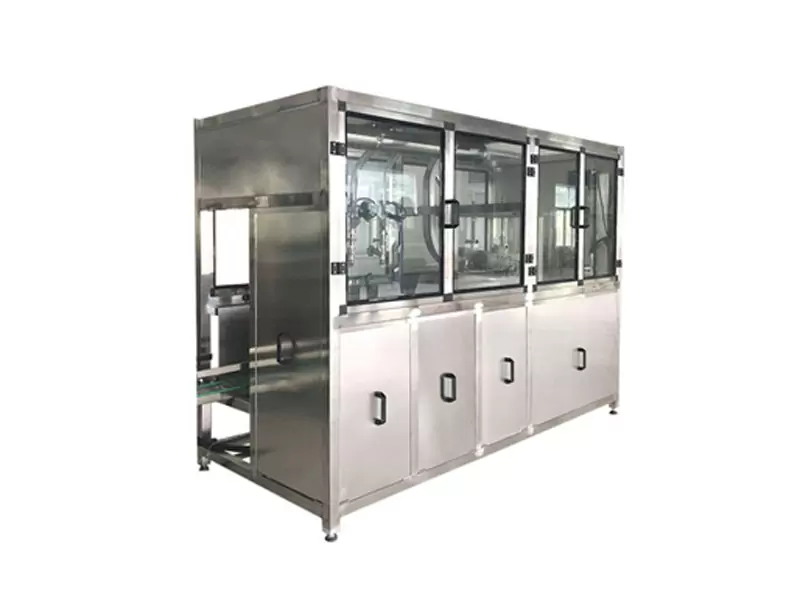
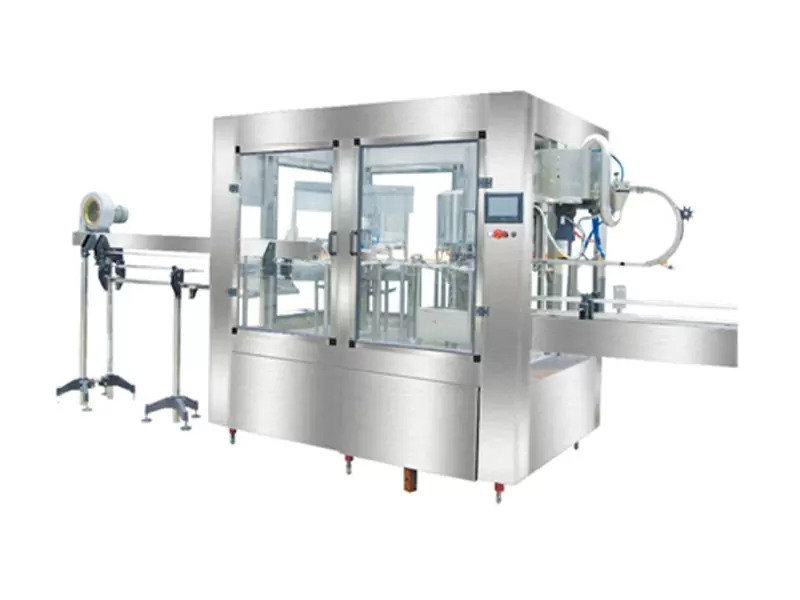
Filling and Capping Integrated Machine
◉ PRODUCT SPECIFICATION
Filling and Capping Integrated Machine – Introduction
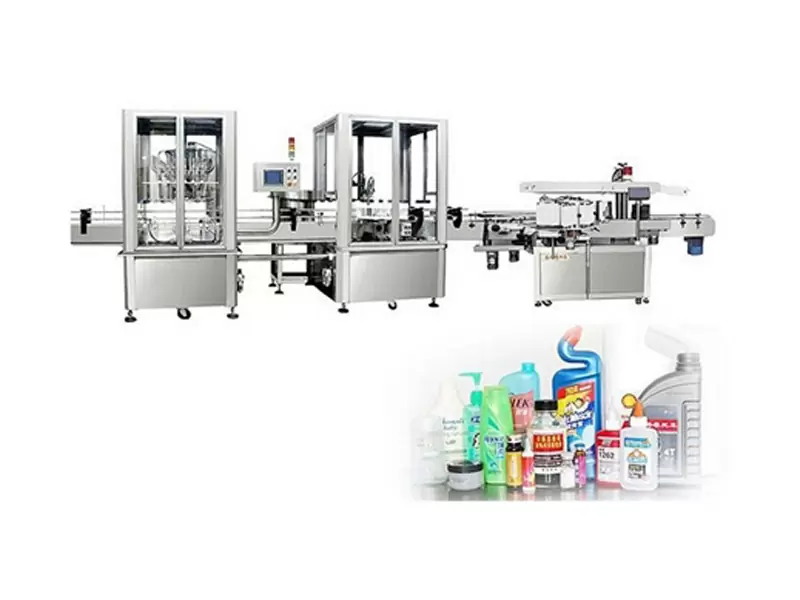
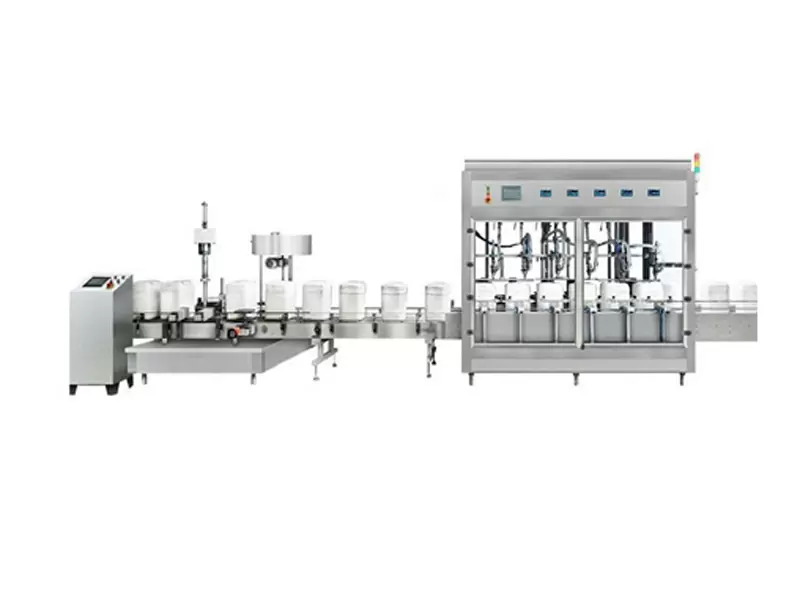
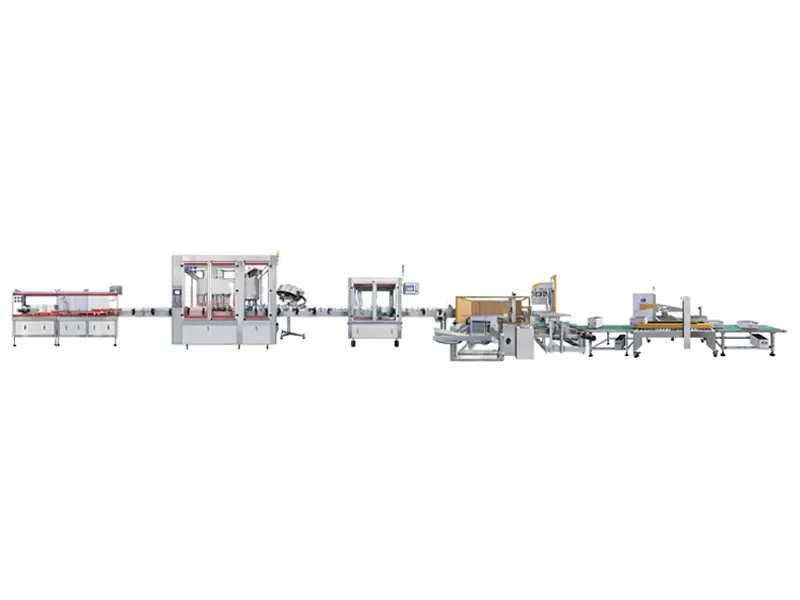
A filling and capping integrated machine is a packaging machine that combines filling and capping (press-on or screw-on) functions into a single unit. The machine performs metered filling of products and the placement and tightening or pressing of caps in one continuous process, reducing the need for additional conveyors between separate machines. It is suitable for packaging lines handling liquids, pastes, sauces, and various other products.
Working Principle:
Empty bottles enter the machine via an infeed conveyor. The bottles are first directed to the filling station, where the filling system (typically using piston pumps, flow meters, time-pressure systems, or gravity filling) dispenses a preset volume of product into each bottle. After filling, the bottles are transferred via a star wheel or conveyor mechanism directly to the capping station. A cap sorter arranges and feeds caps to the pick-up position. The capping head picks up a cap and either presses it onto the bottle neck (for press-on caps) or rotates it onto the threads (for screw caps). Finished bottles are then discharged from the machine.
Explanation of Capping Methods:
Press-on capping / snap capping: Suitable for tamper-evident caps, crown caps, pump head caps, and other cap types without threads. Vertical pressure pushes the cap onto the bottle neck retaining ring or groove.
Screw capping: Suitable for screw caps such as plastic tamper-evident caps or aluminum screw caps. A rotating motion screws the cap onto the bottle neck threads.
Key Features:
Relatively compact design: Integrates two separate machine functions into one unit, reducing the equipment footprint.
Reduced conveying between operations: Bottles move directly from filling to capping, lowering the risk of tipping or contamination during transfer.
Good synchronization: Filling and capping actions are coordinated by a single control system, making speed matching relatively convenient.
Moderate changeover effort: Filling heads and capping heads can typically be adjusted together to accommodate different bottle and cap sizes.
Labor saving through automation: Reduces manual handling steps for moving bottles between filling and capping.
Common Types:
Semi-automatic filling and capping integrated machine: Operators place bottles manually, and the machine automatically fills and caps. Suitable for small batches or multiple product variations.
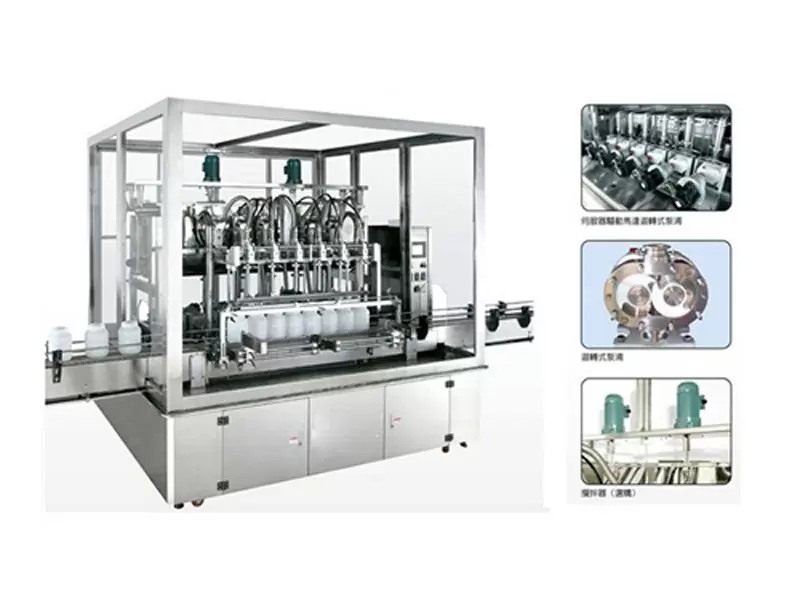
Automatic inline filling and capping integrated machine: Filling and capping stations arranged in a linear layout. The structure is relatively simple, suitable for moderate-speed production lines.
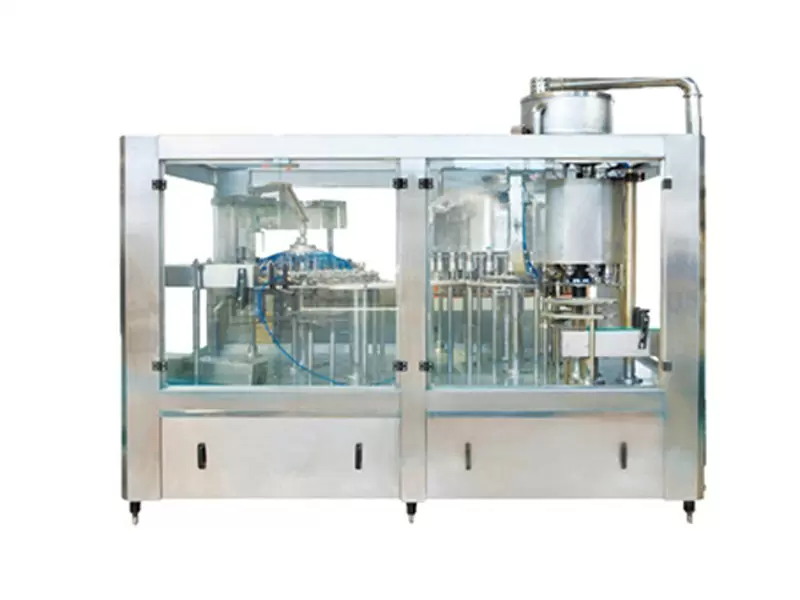
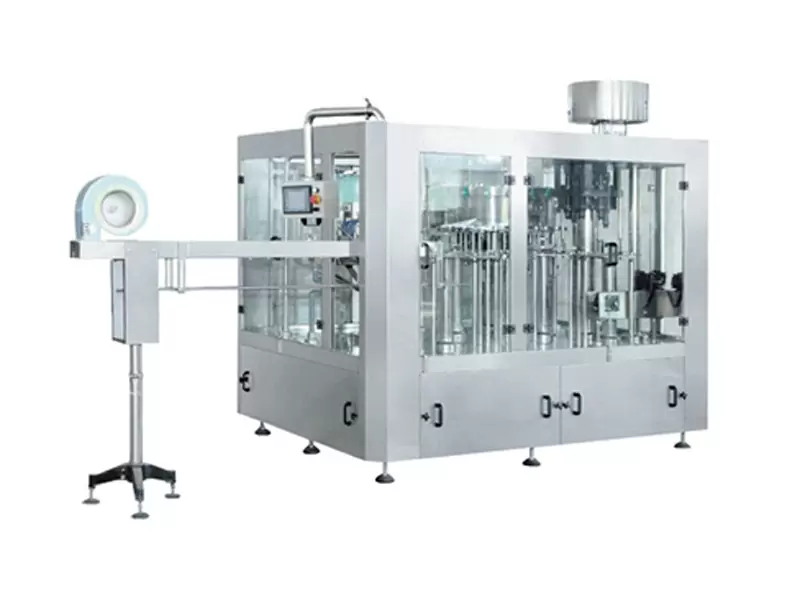
Automatic rotary filling and capping monobloc: Filling and capping stations arranged around a rotary turret. Suitable for higher-speed continuous production.
Typical Applications:
Food industry: bottled products such as soy sauce, vinegar, cooking oil, honey, and jam
Daily chemical industry: hand soap, liquid detergent, shampoo, body wash
Pharmaceutical industry: oral liquids, syrups, topical wash solutions
Chemical industry: lubricating oil, antifreeze, windshield washer fluid
For the following products, 8.8 refers to the hardness grade of the product model. The steel materials include: galvanized (yellow, white, blackened), and Dacromet for anti-corrosion; the stainless steel materials include: 304, 201, etc. For specific products, please feel free to inquire.
◉ MESSAGE
◉ SIMILAR RECOMMENDED
 Small Bottle Filling Machine
 Daily Chemical and Chemical Filling Machine
 Small Bottle Filling Machine
 Small Bottle Filling Machine
 Daily Chemical and Chemical Filling Machine
 Weighing Filling Machine
 Corrosion-Resistant and Explosion-Proof Filling Line
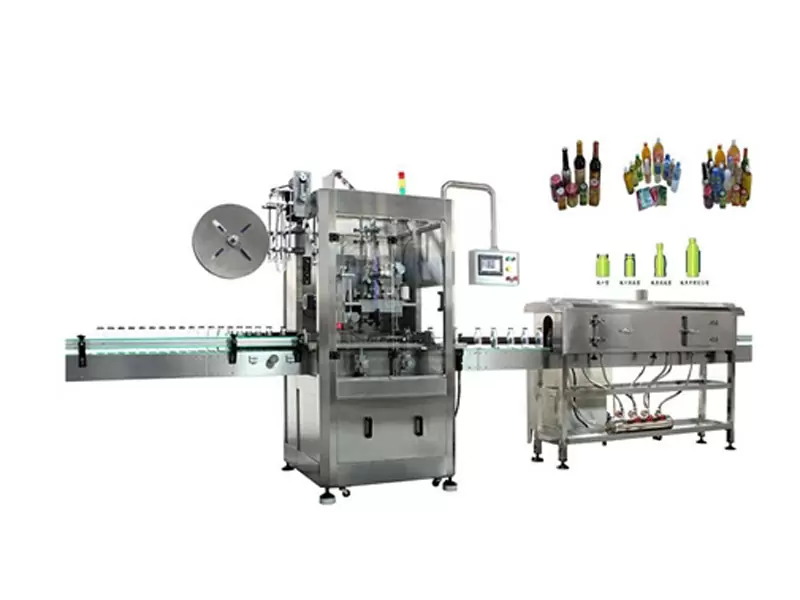
 Automatic Sleeve Labeling Machine
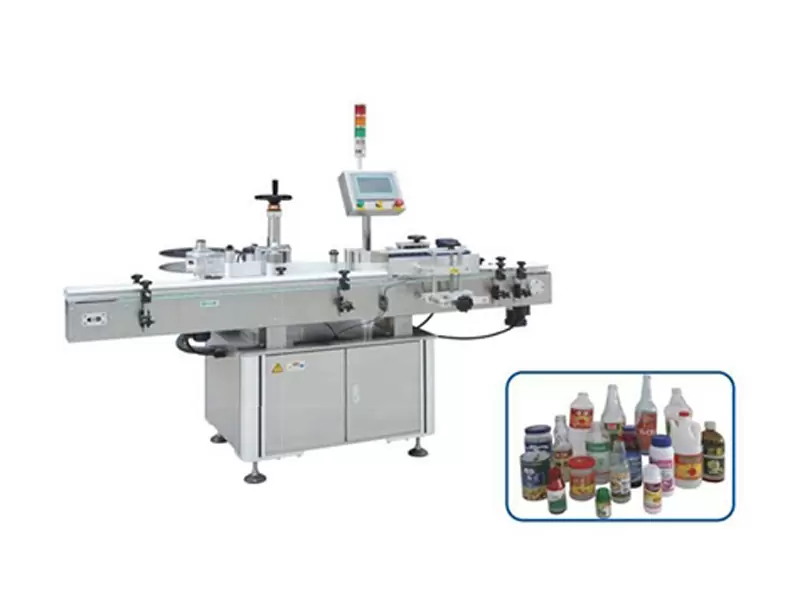
 Self-Adhesive Labeling Machine
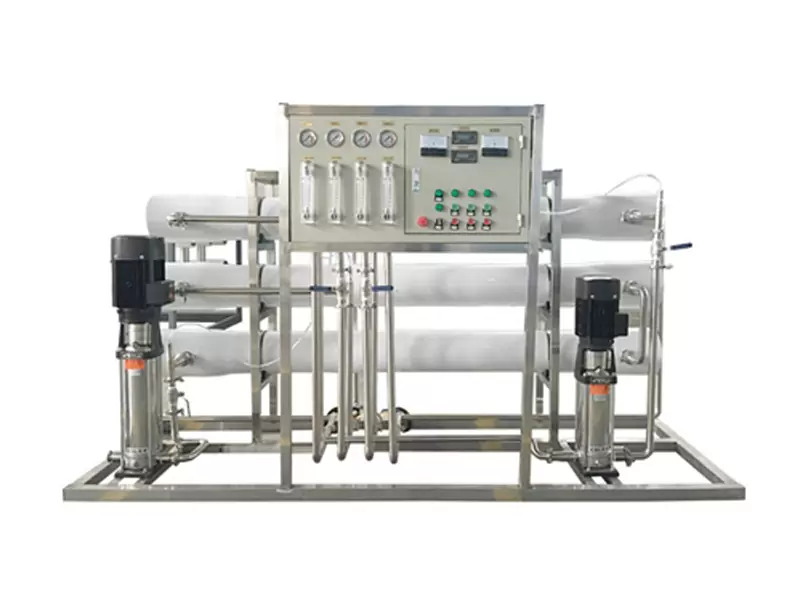
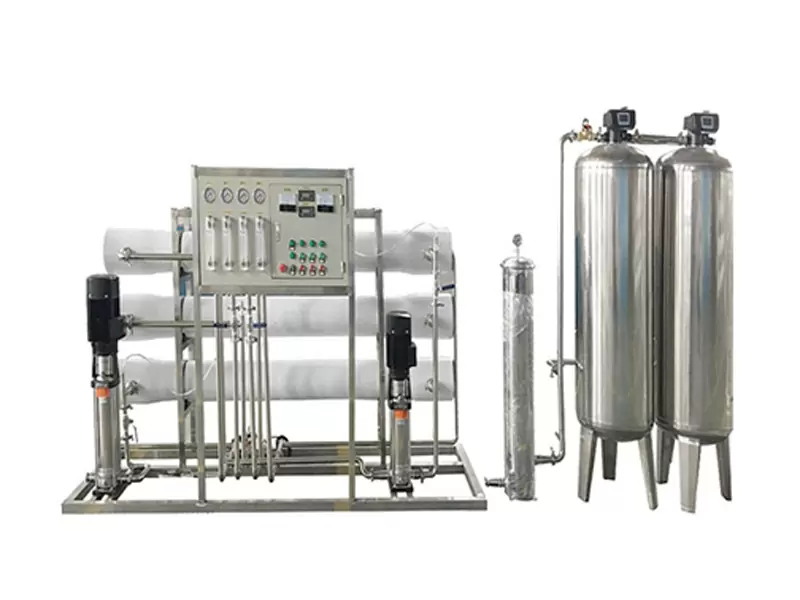
 2 T/H Two-Stage Reverse Osmosis Water Treatment Equipment
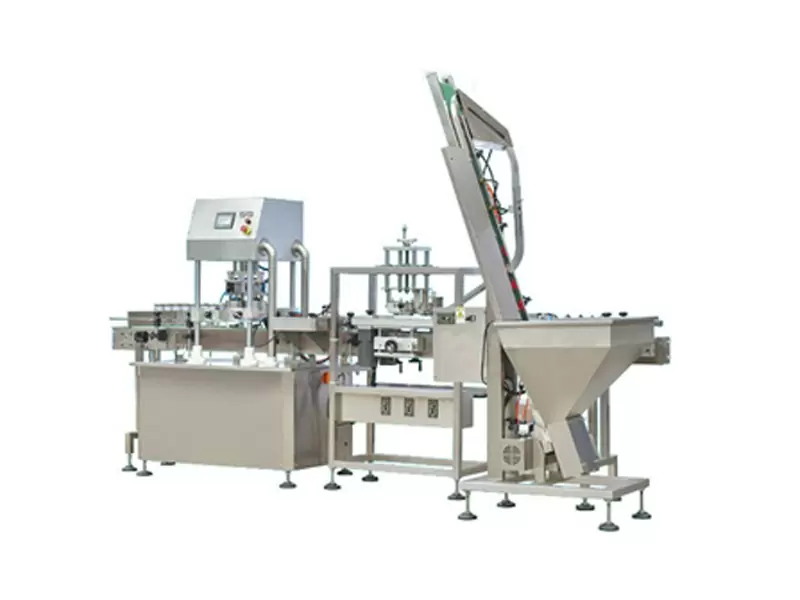
 Elevator-type screw capping machine
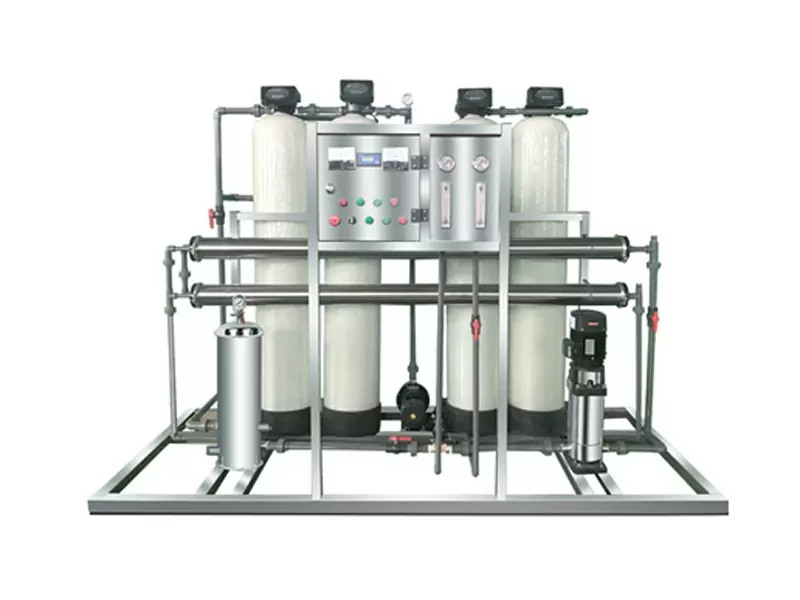
 Two-Stage Reverse Osmosis Water Treatment Equipment
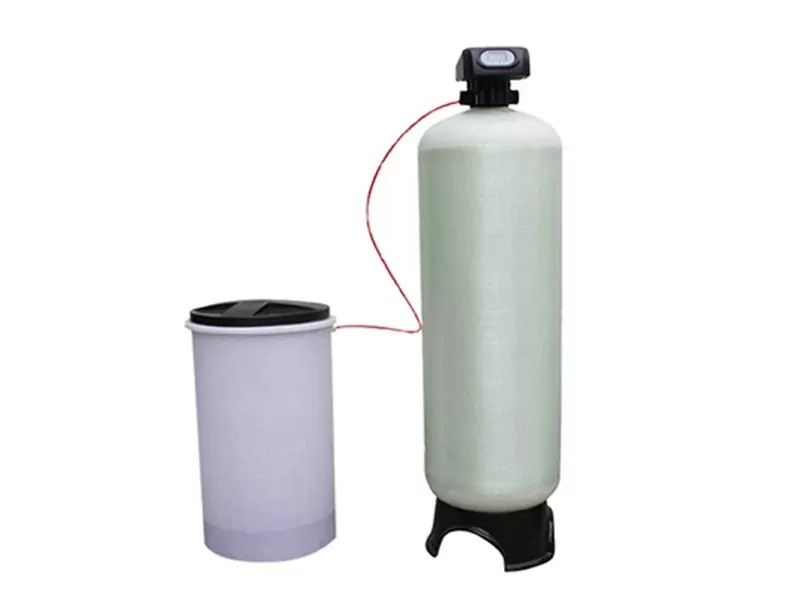
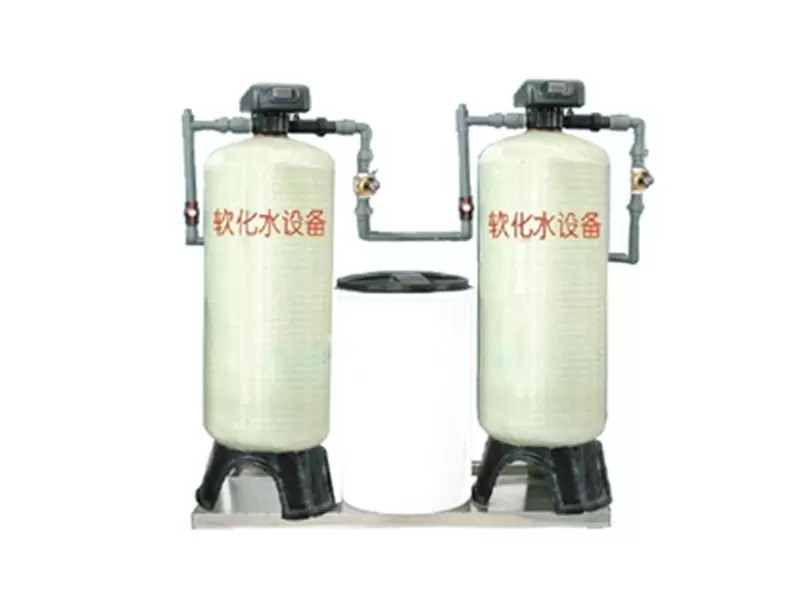
") Water Softening Equipment (Water Softener)
Water Softening Equipment (Water Softener)") Water Softening Equipment (Water Softener)
Water Softening Equipment (Water Softener)") Water Softening Equipment (Water Softener)
Water Softening Equipment (Water Softener)") Water Softening Equipment (Water Softener)
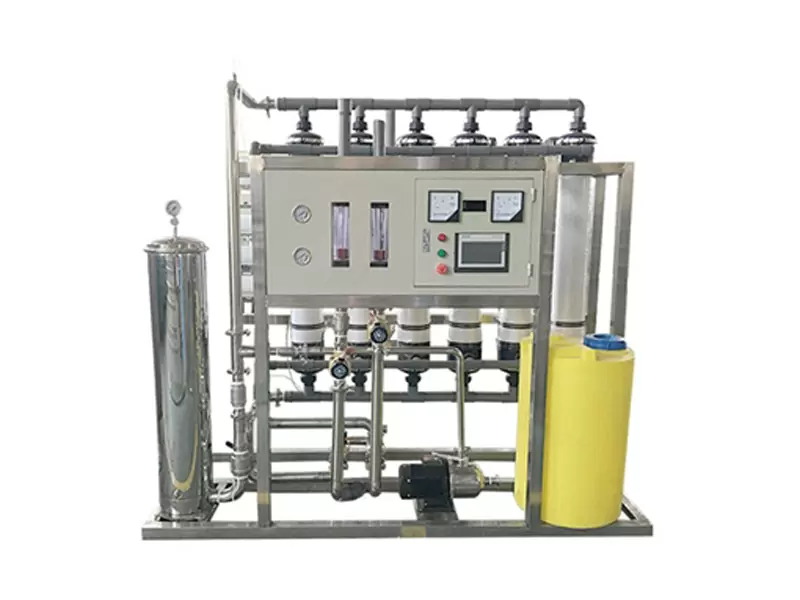
Water Softening Equipment (Water Softener) Water Treatment Equipment") Nanofiltration (NF) Water Treatment Equipment
Nanofiltration (NF) Water Treatment Equipment EDI Ultrapure Water Equipment
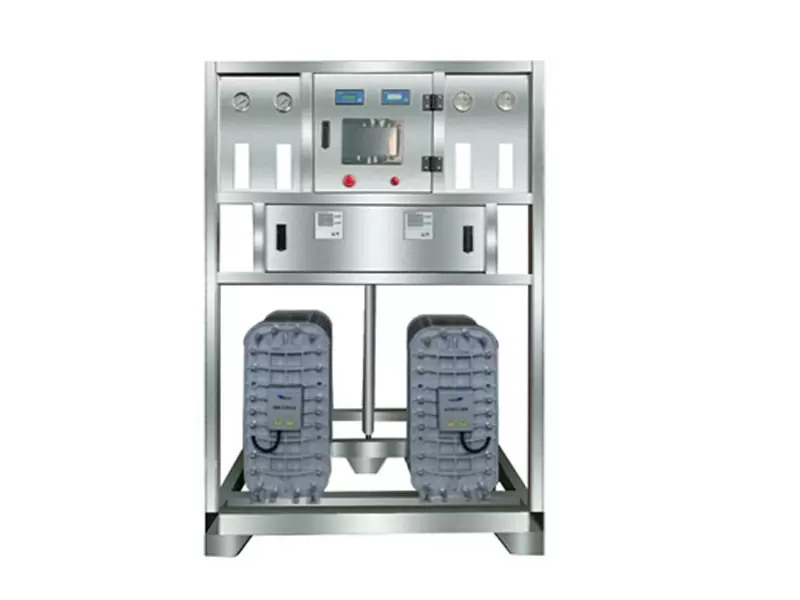
 EDI Ultrapure Water Equipment
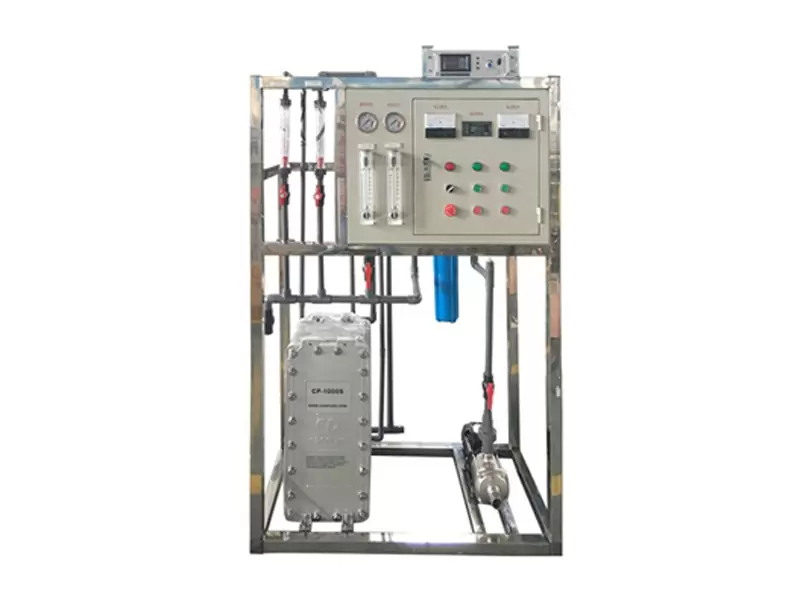
 EDI Ultrapure Water Equipment
 EDI Ultrapure Water Equipment
Thank you very much for writing to us. Please leave your message and contact information, we will reply to you within 24 hours.